

 Explore Worlds
 Find Life
 Defend Earth


84 NASA missions at risk under new proposal

Written by
Asa Stahl, PhD
Public Outreach Astronomer, The Planetary Society
April 13, 2026
Only days after NASA launched astronauts to the Moon for the first time in decades, the White House’s budgeting office announced a plan to reduce NASA’s workforce by thousands and cancel over 50 NASA missions. If enacted, the proposal would slash the agency’s science program by a devastating 46% and turn off spacecraft already paid for, launched, and making discoveries. Instead of celebrating Artemis II’s historic accomplishment, this proposal dismantles NASA as the agency works to bring its crew back home.
The White House Office of Management and Budget proposed similar budget cuts last year, and The Planetary Society helped people around the world raise their voices in support of NASA science. Just a few months ago, Congress rejected the budget cuts and funded NASA in full.
Now the threat has returned, and we are again organizing the Save NASA Science campaign to show our elected officials that space science and exploration matter.
The first step is knowing what’s at stake. Here are some of the many missions slated for cancellation, and the mysteries that would go unsolved if we turned our backs on them.
Note: One of the most confusing elements of this budget request is how it handles proposing to cancel missions. The official statement from the OMB cover letter for the request notes that it “terminates over 40…missions,” yet the document does not explicitly say which ones. Instead, OMB simply omitted missions that were canceled in last year’s failed request, implying cancellation rather than explicitly stating it.
This creates an unprecedented lack of transparency for a budget document that is typically rich in detail. The Planetary Society compared the science proposal line by line with prior-year budget documents to determine which missions were omitted and therefore proposed for cancellation.
NASA did not respond to requests for comment on this article.
The Habitable Worlds Observatory
The mission: Discover potentially habitable, Earth-like worlds around other stars and look for signs of life on them, plus study galaxies, black holes, and dark matter.
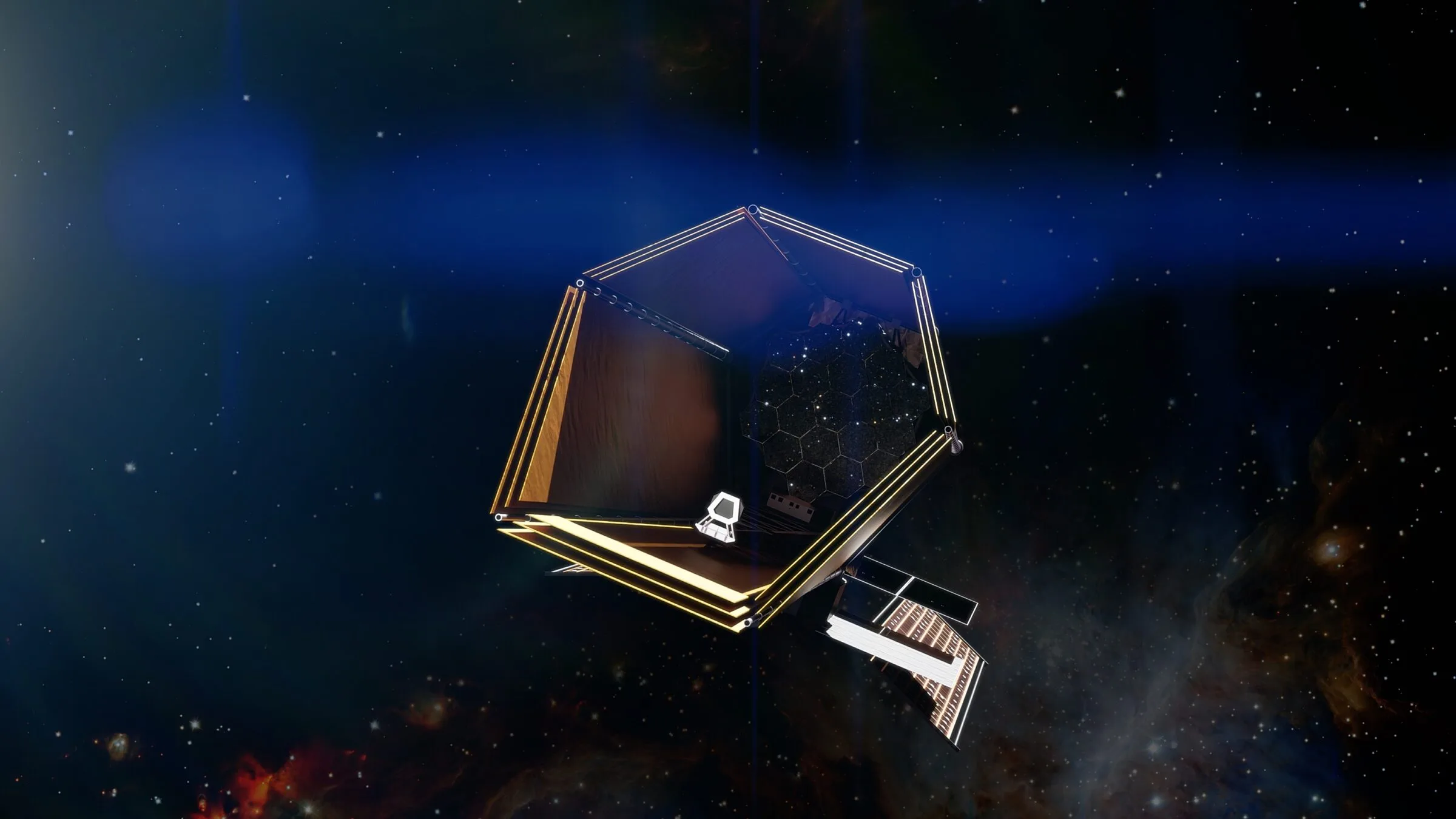
Status: In development
Launch date: ~2040s
The Habitable Worlds Observatory (HWO) may be humanity’s best bet for discovering life on another world like Earth. As a planned flagship mission on the scale of the Hubble Space Telescope or James Webb Space Telescope, HWO would directly image stars to find and explore potentially habitable Earth-like planets around them. Experts have named the mission as NASA’s top priority astrophysics flagship for the future.
Using an instrument called a coronagraph, HWO would block the light from stars to study the planets around them. While planets around other stars are too far away to visit with probes, HWO would be able to use the light from distant worlds to search for signs of life on them in detail.
Even if HWO found no hints of alien life, it could survey enough planets to put the first strong limit on how often life arises on Earth-like worlds. That would bring humanity one step closer to an ultimate sense of how common life is throughout the galaxy — but the new budget request would cut technical development for HWO by 97% to $5 million — about seven times less than NASA will spend on employee travel (about $36 million) in 2027. Though the budget claims to increase spending in the future, it projects that this minimal amount will continue through 2031, functionally freezing the program.
New Horizons
The mission: Explore Pluto and other outermost worlds of the Solar System up close for the first time.

Status: Active
Launch date: January 19, 2006
New Horizons is the first spacecraft ever to fly by Pluto and study it up close. The mission revealed Pluto as it had never been seen before, unveiling the dwarf planet as surprisingly varied and active. Now, New Horizons is exploring the outermost reaches of the Solar System as one of the most distant spacecraft ever built.
When New Horizons flew by Pluto in 2015, it discovered jagged mountains and deep, glacier-carved valleys, sweeping dunes, signs of ice volcanoes, and evidence of a possible underground ocean of liquid water. These findings revolutionized our sense of faraway, icy worlds, bringing them into focus as dynamic places that could potentially host life.
After Pluto, New Horizons explored the dwarf planet’s moon, Charon, and discovered it may also host an underground ocean. The mission then flew past a world called Arrokoth — now the farthest object in the Solar System ever visited — and found that it is actually made up of two primordial worlds stuck together. This snowman-like shape surprised scientists and challenged our ideas about how planets form.
Turning off New Horizons now would end a mission that is actively exploring the frontiers of our Solar System. If given the chance, the spacecraft could stay operational until sometime in the 2030s. There could be time for New Horizons to explore another world like Arrokoth, breaking its own record for the farthest world humanity has ever visited.
DAVINCI
The mission: Descend to the surface of Venus and probe its atmosphere along the way, testing whether the planet ever had oceans or could have hosted life.

Status: In development
Launch date: ~2030
Full name: Deep Atmosphere Venus Investigation of Noble gases, Chemistry, and Imaging
DAVINCI was set to be the first probe to enter the clouds of Venus in nearly 50 years. Without it, we may never know whether Venus once had an ocean or could have hosted life.
This mission is designed to descend toward the surface of Venus and take measurements of the planet’s atmosphere along the way. DAVINCI would search for clues about Venus’ past, decipher its potential to host water, and test whether microbial life could possibly survive within the Venusian atmosphere today.
Answering these questions would change how we think about planets throughout the galaxy. Since Venus may represent what many other small, rocky planets end up like, DAVINCI’s findings might give us a hint about how common Earth-like life might be throughout the Universe.
Scientists originally proposed DAVINCI to NASA through the agency’s highly competitive Discovery Program, where its scientific merit stood out among many other submissions. Now, NASA is in the early stages of developing the mission. Canceling it would mean turning away from exploring even one of our closest neighbors in the Solar System.
Rosalind Franklin ExoMars Rover
The mission: Look for signs of past life on Mars and help determine if the planet was ever habitable.
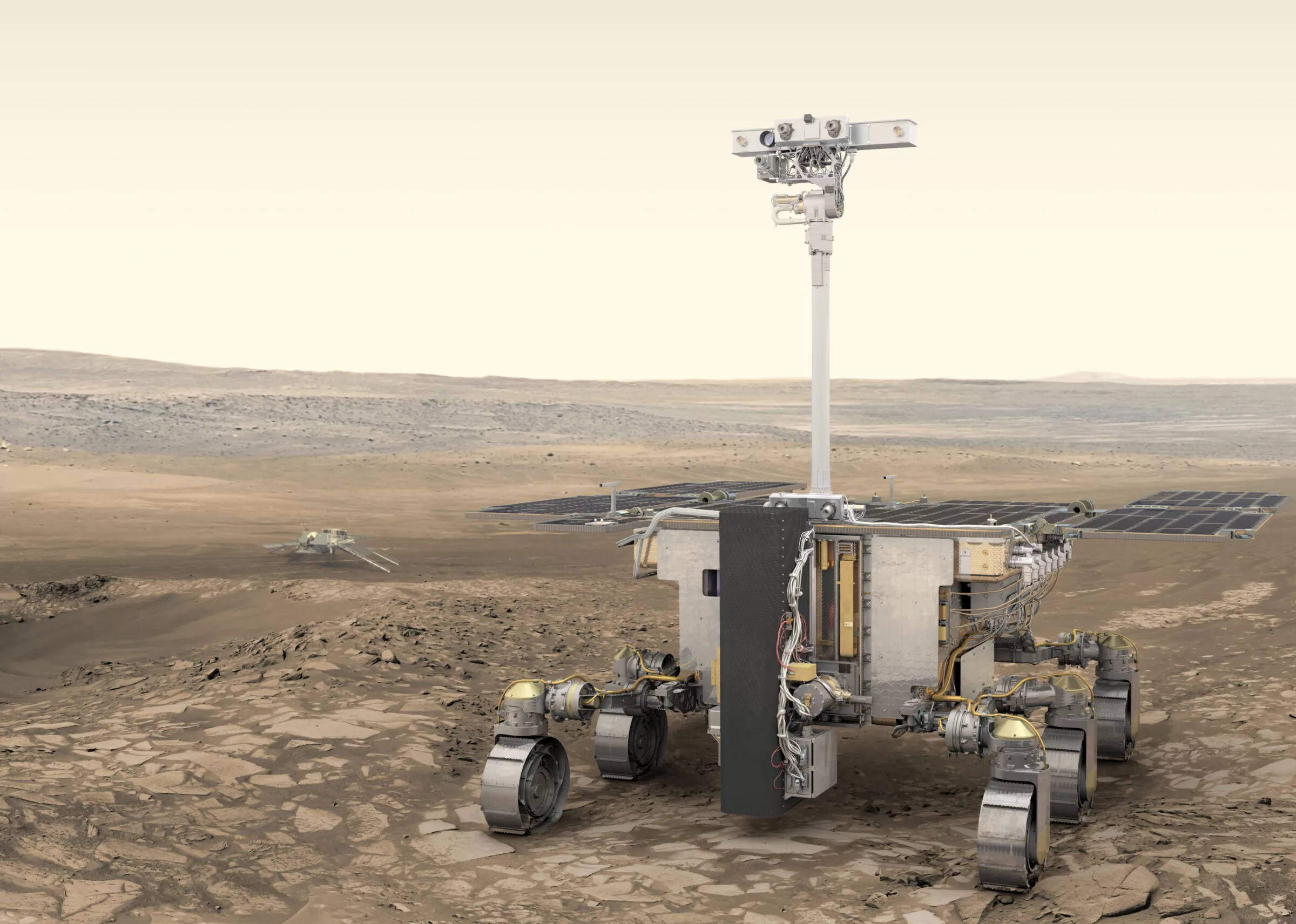
Status: In development
Launch dates: 2028
The Rosalind Franklin ExoMars Rover will attempt to drill down through the Martian soil to look for signs of past life and, more generally, investigate whether the red planet could ever have hosted life.
If life once existed on Mars, most evidence of it on the surface would have been destroyed by radiation. So, Rosalind Franklin is designed to drill 1-2 meters (several feet) below the Martian surface to look for signs of past or present life. The mission would help reveal how Mars, a world that once flowed with liquid water, has since dried up into a barren desert.
Rosalind Franklin is led by the European Space Agency in collaboration with NASA, which is providing launch services, radioisotope heating elements, and the rockets that will slow the rover’s descent to Mars’ surface. The rover itself is carrying a major NASA instrument, the Mars Organic Molecule Analyzer, which will assess drill samples for chemical traces of the building blocks of life.
Only a few months ago, NASA told ESA that it was re-committing to the Rosalind Franklin partnership, and in April NASA announced it was moving forward with implementing its contributions. Yet the new budget plan provides no funding for the project next year. It's possible that the rover is funded in some way that is not reported, or that NASA intends to complete its contributions this year. If the agency does cancel its work on the mission, though, NASA would prove itself to be an unreliable partner and further delay a mission beset by challenges. All of this goes to show the confusion caused by this budget request, and the lack of transparency from NASA regarding its implications.
OSIRIS-APEX
The mission: Catch up with the asteroid Apophis just after it nearly misses Earth.
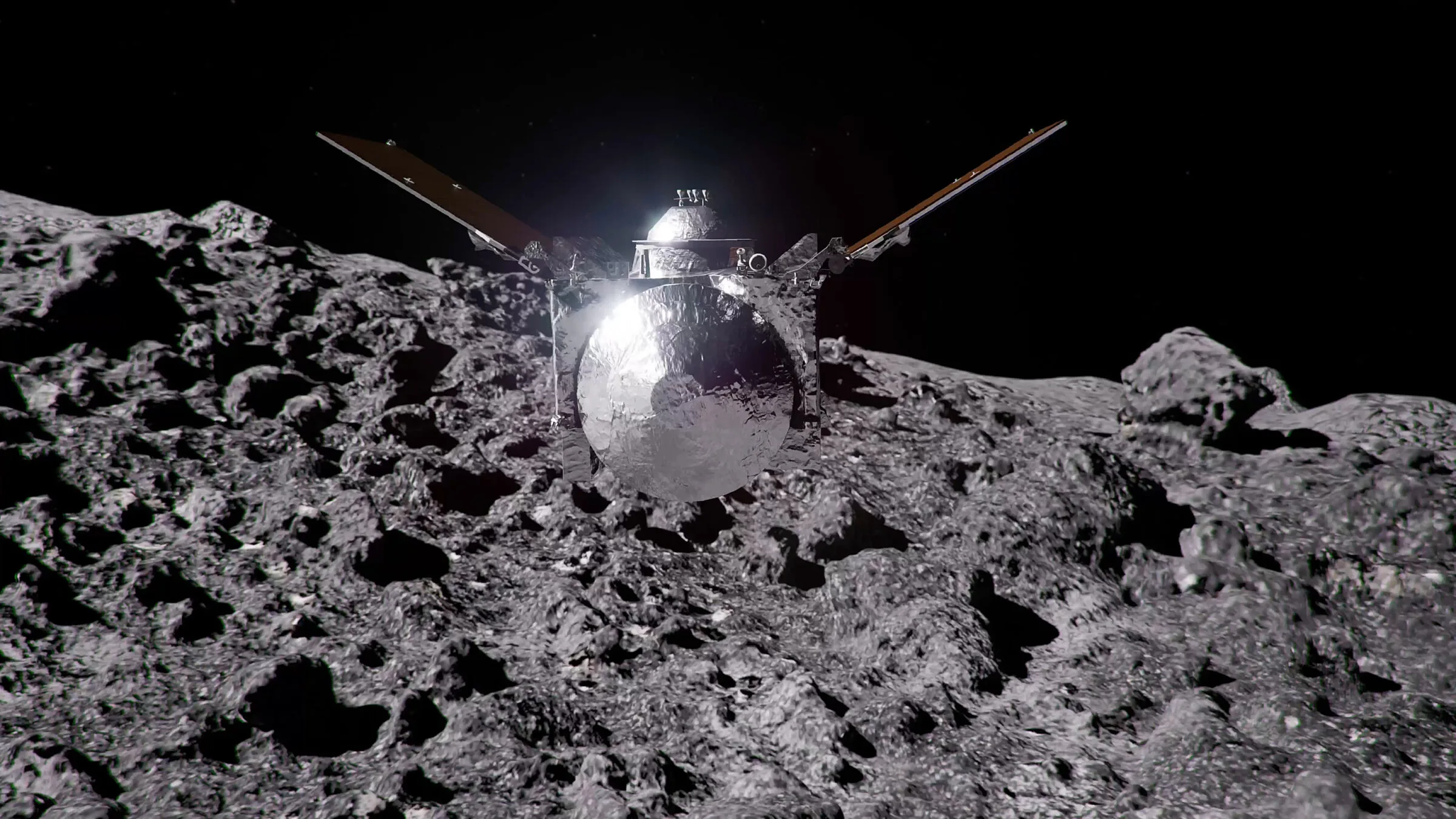
Status: Active
Launch date: September 8, 2016
Full name: Origins, Spectral Interpretation, Resource Identification, and Security – APophis EXplorer
OSIRIS-APEX is on its way to explore a giant asteroid that, in 2029, will nearly hit Earth. The mission aims to take modern humanity’s closest call with a major asteroid and turn it into an opportunity: a chance to better understand asteroids, learn more about how the Solar System formed, and help prevent future impacts.
On April 13, 2029, the asteroid Apophis — which is about as tall as the Empire State Building and three times as wide and long — will pass closer to Earth than the orbits of some satellites. If this asteroid hit Earth, the energy of the collision would be roughly equivalent to 1,000 of the most powerful nuclear bombs in the United States’ arsenal.
But Apophis won’t hit Earth. Instead, OSIRIS-APEX will watch from a distance as Apophis flies by, then catch up to study the asteroid in more detail. The spacecraft will map Apophis, track its trajectory, and eventually fire thrusters to stir up its surface. The information that OSIRIS-APEX gathers will help scientists understand the forces that shape asteroid orbits, improving our ability to predict what might hit us in the future — and maybe, one day, even redirect an asteroid on a collision course with Earth.
OSIRIS-APEX is as close to a “freebie” as space missions get. It’s the bonus phase of a previous NASA mission, called OSIRIS-REx, which completed its goals with fuel to spare.
The spacecraft is already on a course to Apophis. Shutting OSIRIS-APEX down now would not only be needlessly wasteful, it would squander a rare opportunity: an encounter this close with an asteroid like Apophis only happens near Earth once every 7,500 years.
Juno
The mission: Orbit Jupiter, probe its atmosphere and deep interior, and learn how the planet formed.
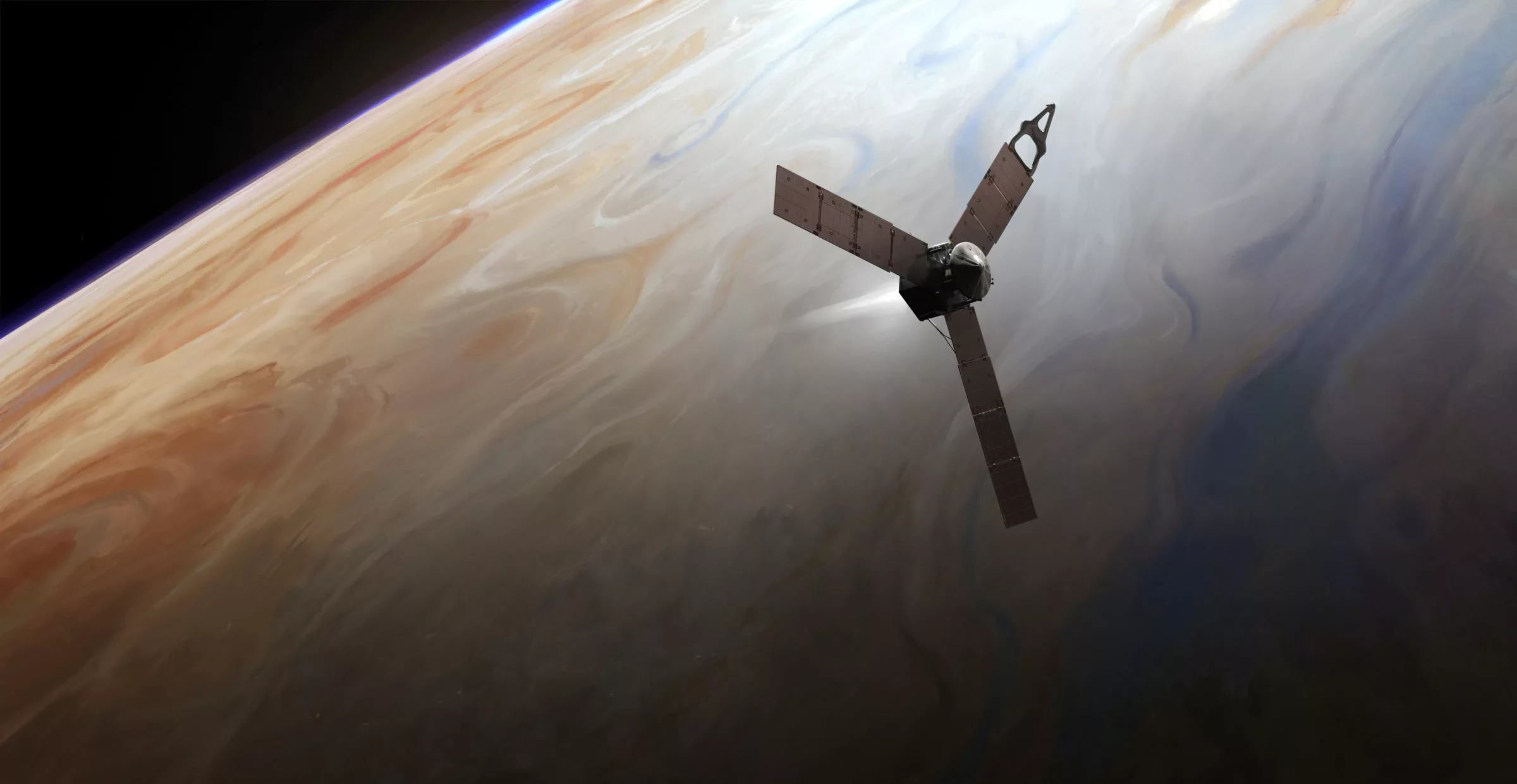
Status: Active
Launch date: August 5, 2011
Juno is the first mission to probe deep within Jupiter and the farthest spacecraft currently in orbit around another planet. For almost a decade, Juno has taken detailed observations of Jupiter’s strange internal structure, its stormy weather, and its powerful magnetic fields.
The mission’s most famous discovery may be the fact that Jupiter’s core is “fuzzy”, with heavy elements spread far around instead of condensed into a solid ball. This could mean that Jupiter was hit by another would-be planet as it was forming billions of years ago, or it could be a sign that giant planets like Jupiter evolve differently than we thought. The longer Juno studies Jupiter, the more it can help solve this mystery.
In 2018, NASA extended Juno’s mission to explore Jupiter’s rings and four largest moons: Io, Europa, Ganymede, and Callisto. The spacecraft has spotted volcanic eruptions on Io, imaged shifting ice flows on Europa, and found organic compounds on Ganymede that likely bubbled up from an ocean beneath the moon’s surface.
Though Juno was only designed to do science for one year, it has now been making new discoveries for almost a decade. If it isn’t canceled, the mission could continue exploring the Jupiter system for years to come.
VERITAS
The mission: Map the surface of Venus and study its interior, unveiling how the planet has changed over time.

Status: In development
Launch date: ~2031
Full name: Venus Emissivity, Radio Science, InSAR, Topography, and Spectroscopy
VERITAS aims to discover how Venus ended up boiling under clouds of acid instead of teeming with life like Earth. The mission is a crucial counterpart to DAVINCI. While both spacecraft will help get to the bottom of whether Venus was once a mild, water-rich world, only VERITAS is dedicated to uncovering how the planet transformed over time.
From its orbit above Venus, VERITAS would peer through clouds to study the planet’s surface and interior. The spacecraft would take the first high-definition 3D map of Venus ever, then look for signs of activity like glowing pools of lava and erupting volcanoes.
This will help scientists decide whether a catastrophic event — like a worldwide volcanic eruption — might have completely reshaped Venus in the past, or whether the planet instead changed more gradually over time. By uncovering how a world that was born so similar to Earth ended up so different, VERITAS would also help us refine what kinds of places we target in the search for life.
NASA selected VERITAS through a highly competitive process. The agency is now in the early stages of developing the mission. If VERITAS is canceled, we would lose a powerful window onto our neighboring planet and the cataclysms of its past.
The list goes on…
The seven NASA missions described above are just the tip of the iceberg. If the new budget passes, dozens of others would be canceled, and even more would see their operations reduced. The James Webb Space Telescope would lose about a third of its budget for scientific research, and the Hubble Space Telescope about a quarter, diminishing how much scientists can use these powerful observatories to explore the Universe.

The Perseverance rover — which recently found what NASA called “the closest we have ever come to discovering life on Mars” — is slated for a roughly 50% budget cut. That would force Perseverance to slow its pace of operations and give it fewer chances of finding other potentially tantalizing samples.
NASA’s Astrophysics division may be hit the hardest. Its 65% budget cut would shut down spacecraft dedicated to studying the most explosive events and extreme environments in the entire Universe. Just one Astrophysics observatory — the Chandra X-Ray Observatory, a sibling of the Hubble Space Telescope — has led to over 10,000 scientific papers. Unless canceled, it shows no signs of slowing down soon.
The new budget would also terminate nearly 20 projects studying the Sun and the space surrounding Earth. Some of these spacecraft help reveal how solar storms affect our planet, giving us a chance to lessen the damage that solar outbursts could do to electronics and energy infrastructure. Others investigate the Sun’s dangerous radiation so we can better protect astronauts and satellites, like GPS, in the future.
A similar number of missions face cancellation within NASA’s Earth Science division. These spacecraft are designed to track the major forces shaping our planet, from rainfall and wildfires to hurricanes and urbanization. People all over the world use this information to help keep crops alive and stave off natural disasters. NASA’s Landsat program, which has given us an uninterrupted record of our entire planet since 1972, would be significantly reorganized, and data may be disrupted.
Finally, this budget would damage NASA’s ability to develop missions of exploration in the future. It zeroes out the agency’s funding to select and plan out science missions within the Solar System. It also winds down NASA’s program to build radioisotope power systems for its spacecraft, which are a necessity for any probe that would venture too far from the Sun for solar power to be practical. Shutting that down would confine NASA from venturing beyond Jupiter for decades to come.
Editor's note: An earlier version reported the total number of missions at risk as 82, not 84.
Save NASA Science Action Hub
Updates and actions on the proposed cuts to NASA science in FY 2027.
You Power the Next Great Discovery!
Fund future scientific research that advances space science and exploration with your gift today.
Donate