

 Explore Worlds
 Find Life
 Defend Earth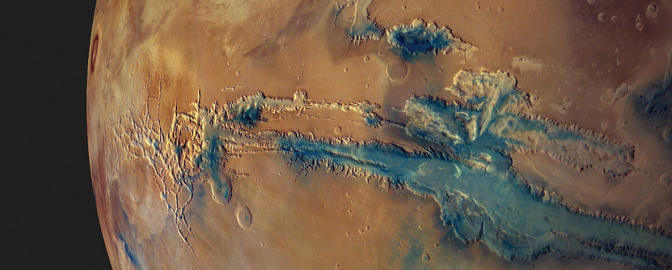


All
All
 Sun
Sun Mercury
 Venus
Venus Earth
Earth Mars
Mars Jupiter
 Saturn
 Uranus
 Neptune
 Small Bodies
Stories, updates, insights, and original analysis from The Planetary Society.

Best space pictures of the month: November 2022
NASA's chief of exploration mission planning Nujoud Merancy walks us through a picture from the Orion spacecraft.

What Cassini continues to reveal about Saturn
Saturn continues to surprise as scientists comb through 13 years of Cassini data.

Stars in the making
A new solar telescope takes center stage, new stars collect mass, and musicians sonify space imagery.

Surreal solar sights
New ways of looking at the star that graces our skies, plus this week’s space news.

What light through yonder prism splits?
Discover how we use light to look for signs of life beyond Earth, and meet the newest batch of Planetary Society-funded asteroid hunters.

Who loves the Sun?
Our host star takes center stage, and JWST demands a little more patience.

Cyclones and Storms and Flares, Oh My!
Jupiter’s cyclones are beautiful, and the Sun’s storms and flares are a little bit scary.

Eclipses: It’s All About Perspective
Look at eclipses from the perspective of Earth, the Moon, and beyond. Plus catch up on the week’s space news.

Solar Plasma and Europan Magma
From solar storms to underwater volcanoes and asteroid close calls, catch up on what’s scary and beautiful this week in space.
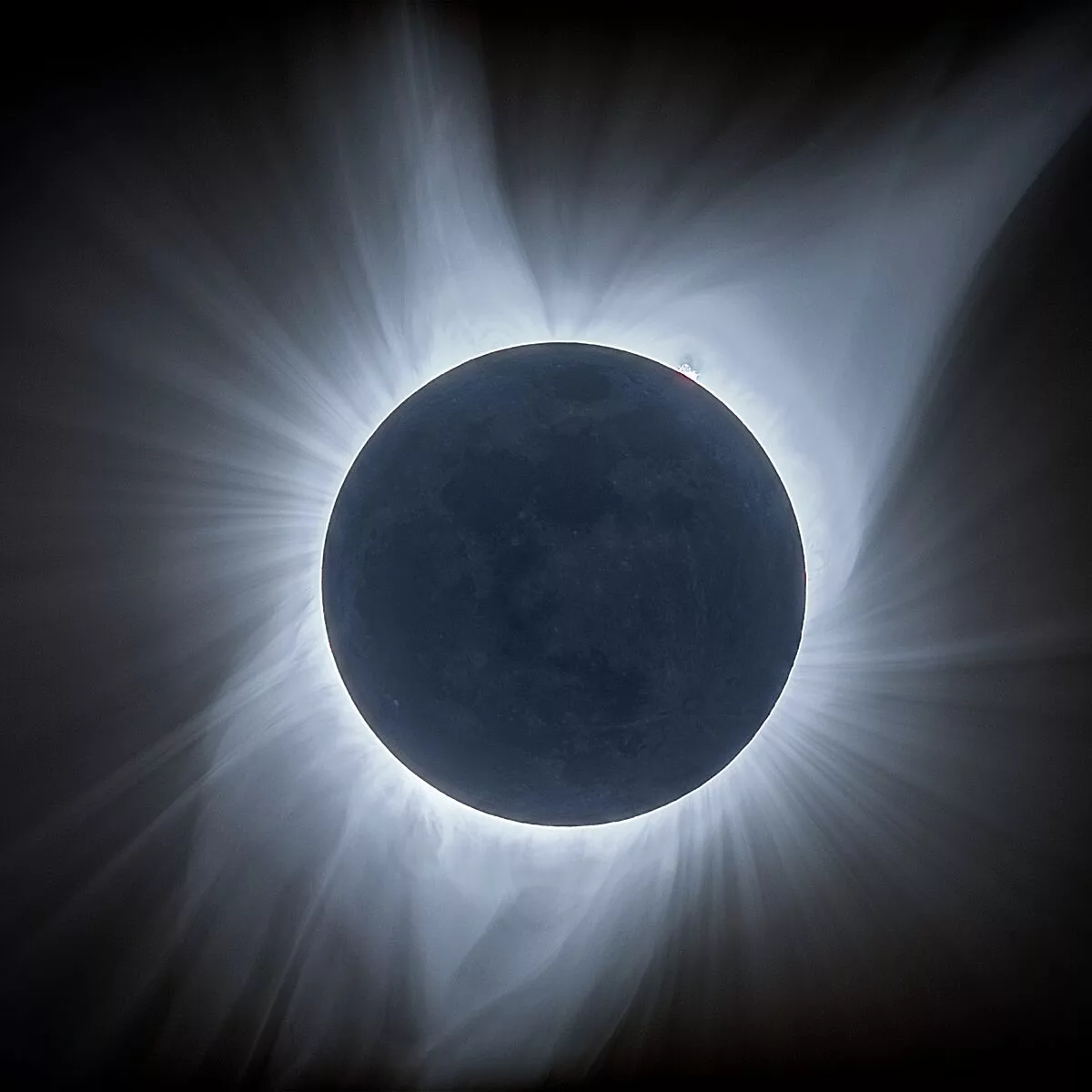
Your guide to future total solar eclipses
Bruce Betts and Sarah Al-Ahmed provided a guide to all total solar eclipses through the end of the 2020s, with dates and locations.

A space spookfest
Catch up on news from across the ghoul-axy and beyond.

A devil on Mars and defenders of Earth
From dust devils and craters on the Martian surface to spots on the Sun, we’re taking a look at everything new and exciting in space science and exploration this week.

What is a solar eclipse? Your questions answered.
Your guide to total, partial, and annular eclipses: what causes them, what you'll see, and when the next one will happen.
Qu’est-ce qu’une éclipse solaire ? Réponses à vos questions
Votre guide des éclipses totales, partielles et annulaires: leurs causes, ce que vous verrez, et la date de la prochaine.
Was ist eine Sonnenfinsternis? Ihre Fragen beantwortet
Ihr Leitfaden zu totalen, partiellen und ringförmigen Sonnenfinsternissen: Was sie verursacht, was Sie sehen werden und wann die nächste stattfindet.
¿Qué es un eclipse solar? Tus preguntas, respondidas
Tu guía sobre eclipses totales, parciales y anulares: qué los causa, qué verás y cuándo ocurrirá el próximo.

News brief: Voyager 2 has passed beyond the heliopause
Voyager 2 is now outside the reach of the solar wind, traveling in the interstellar medium. Unlike Voyager 1, Voyager 2 has a working plasma spectrometer so will be doing exciting new science. It is expected to last another 5 to 10 years, though not with all instruments operating.

Big news from the magnetosphere
At five years and counting, the Van Allen Probes mission continues to reshape our thinking about how Earth’s radiation belts flex and reconfigure under the influence of solar storms.

Go for GOLD, SES-14!
While we can measure properties of these upper layers using ground-based instruments, satellite-borne remote sensing instruments can give us a more frequent, global, and often higher spatial resolution perspective. And that is precisely what NASA’s Global-scale Observations of the Limb and Disk (GOLD) mission will deliver.

Chasing the total solar eclipse at 38,000 feet
Where did you venture to view the Great American Eclipse? About 100 people were lucky enough to make the trip of a lifetime for it: 38,000 feet above the Pacific Ocean, courtesy of Alaska Airlines.