

 Explore Worlds
 Find Life
 Defend Earth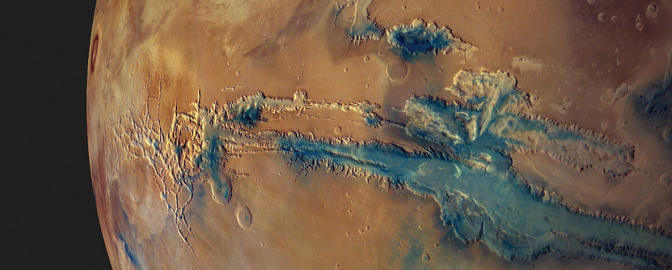

Where did we come from? Are we alone in the Universe? We can only answer these questions by exploring the planets and other worlds of our Solar System and beyond. Learn why these worlds are so important, and how you can get involved.
The Sun, our Solar System’s star
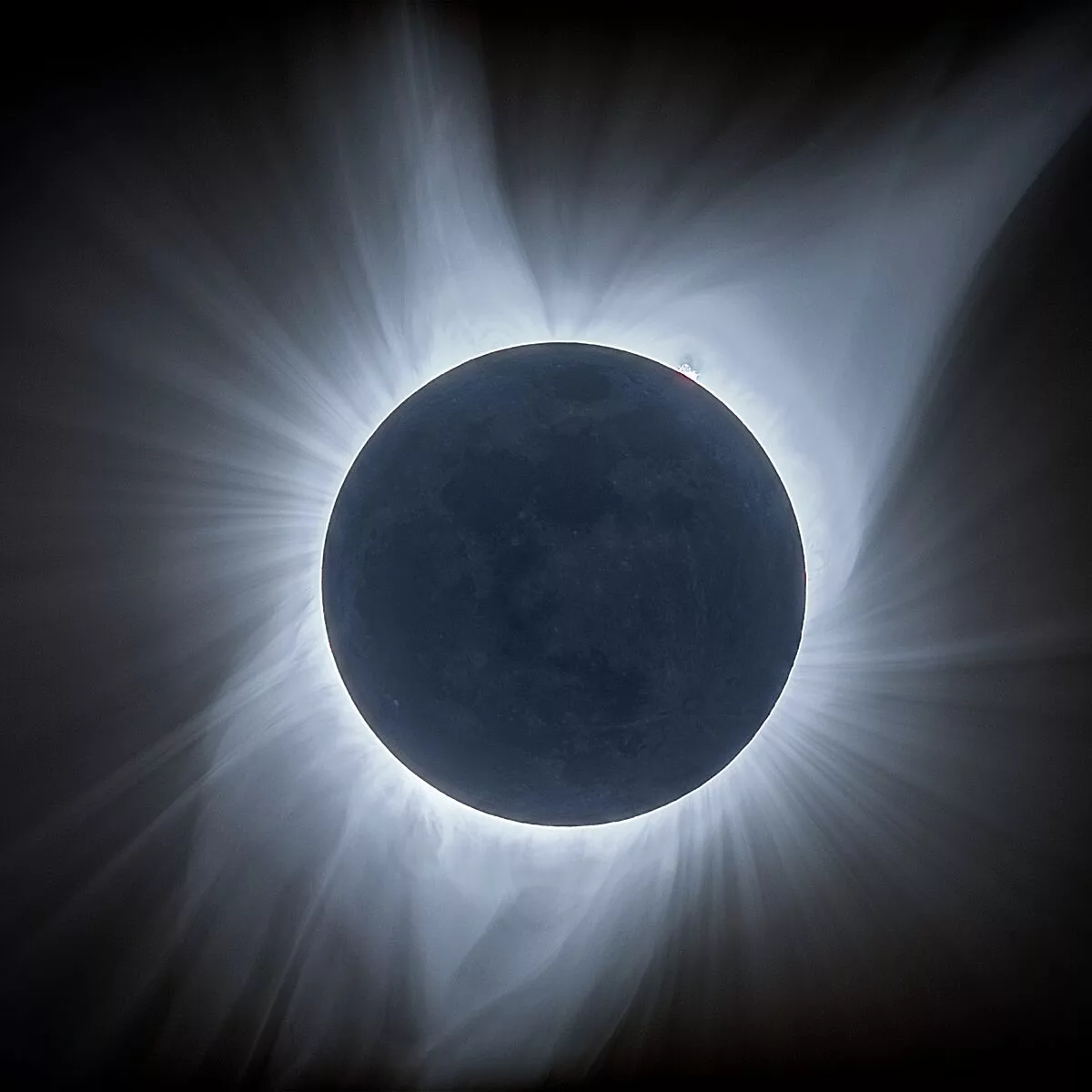
We study the Sun to learn about how stars work, and to help protect our civilization from solar storms.
Mercury, world of extremes
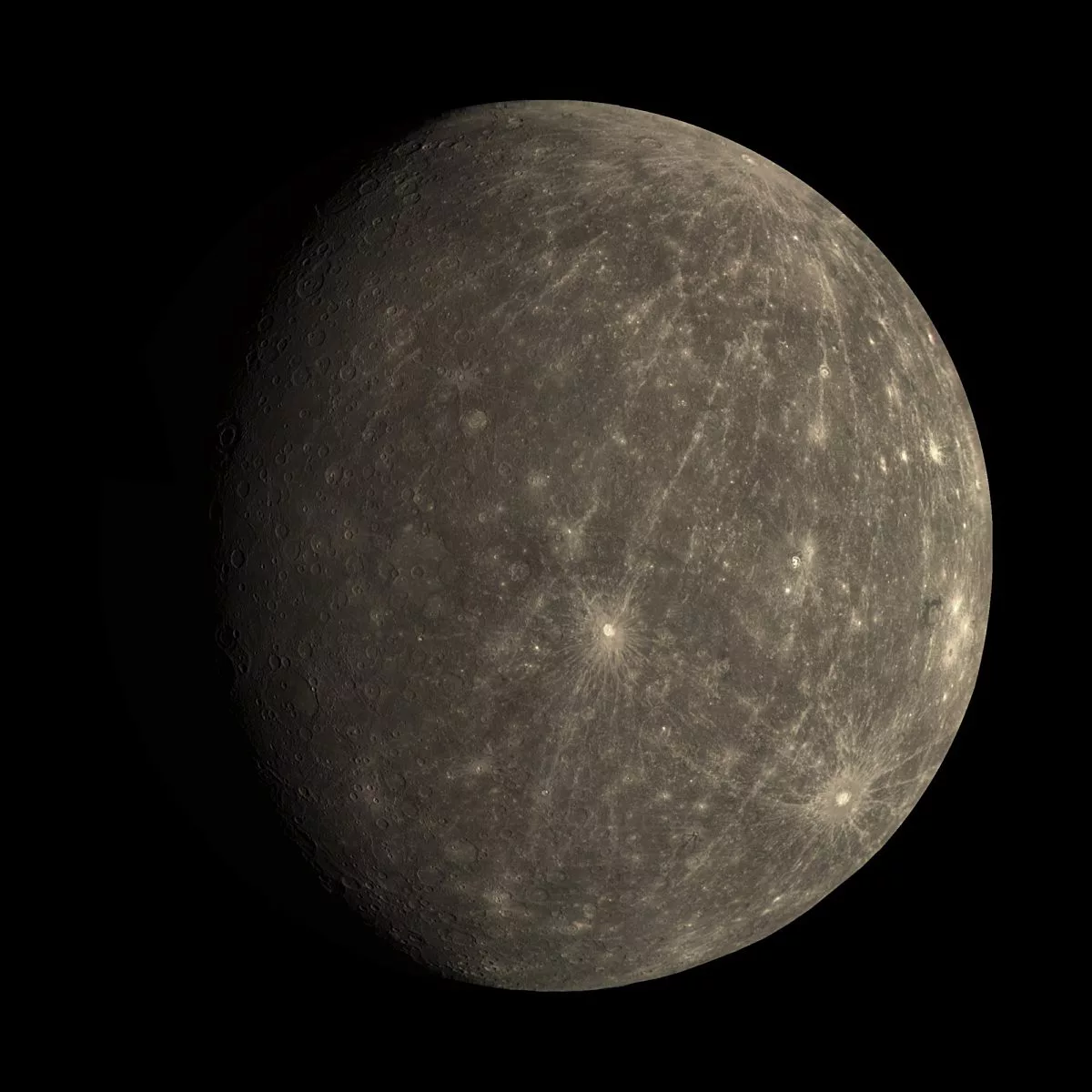
Mercury a little-explored world, full of mystery, with a surface split into extremes and an interior that puzzles scientists.
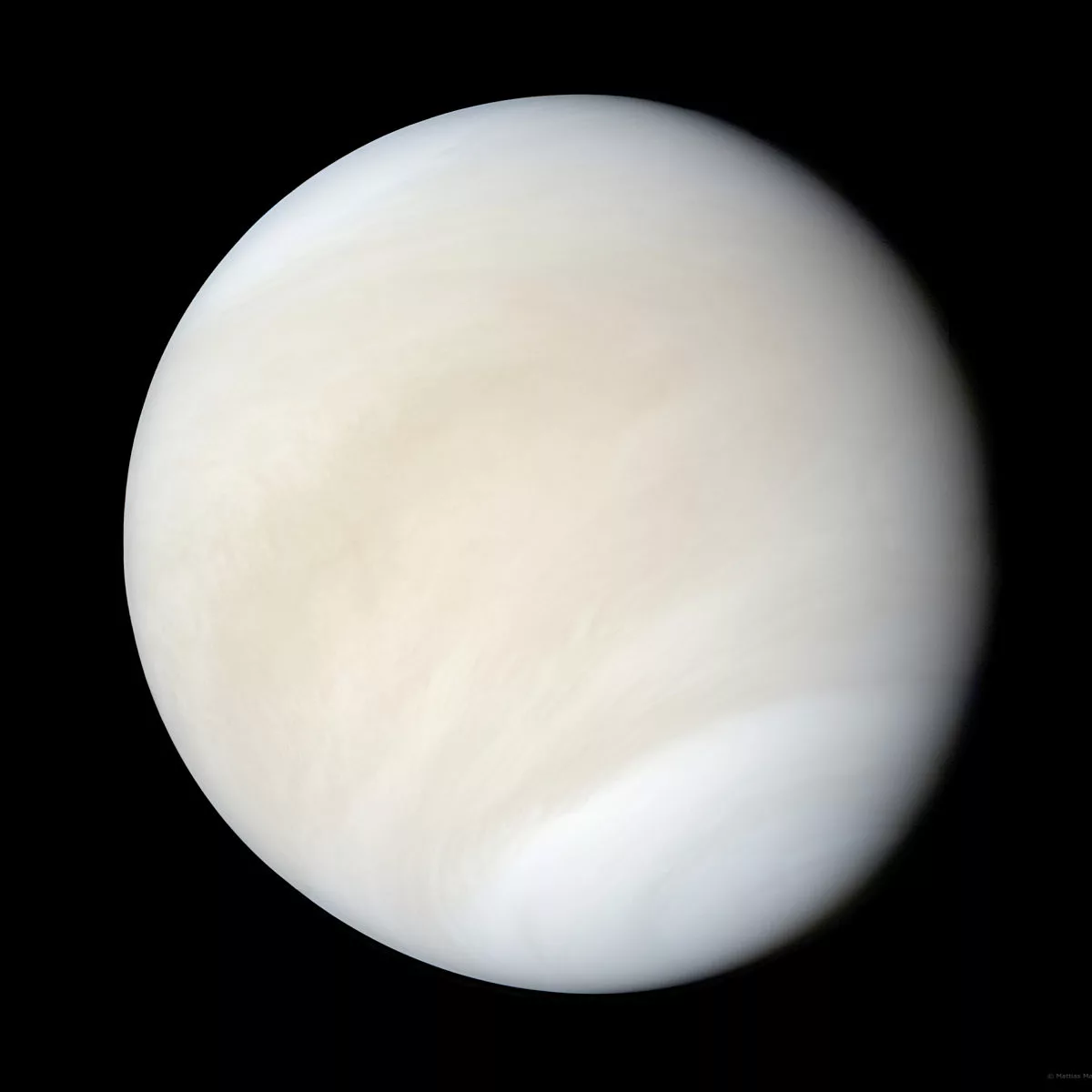
Venus, Earth's twin sister
Venus hosts brutal conditions today, but the planet may have once been more hospitable to life.
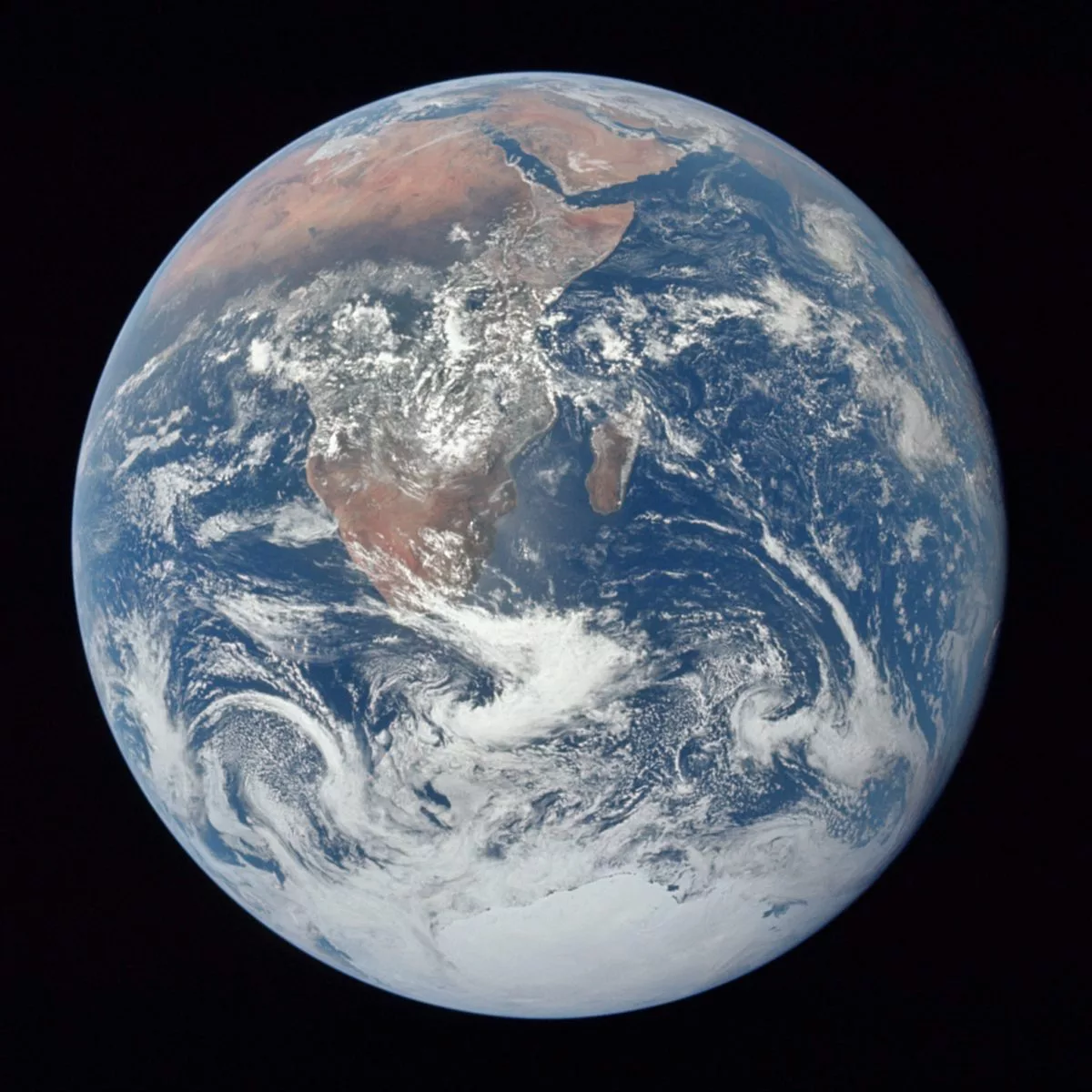
Earth, our home planet
Earth, the only planet known to support life, offers liquid water, an oxygen-rich atmosphere, and protection from the Sun’s harmful radiation.
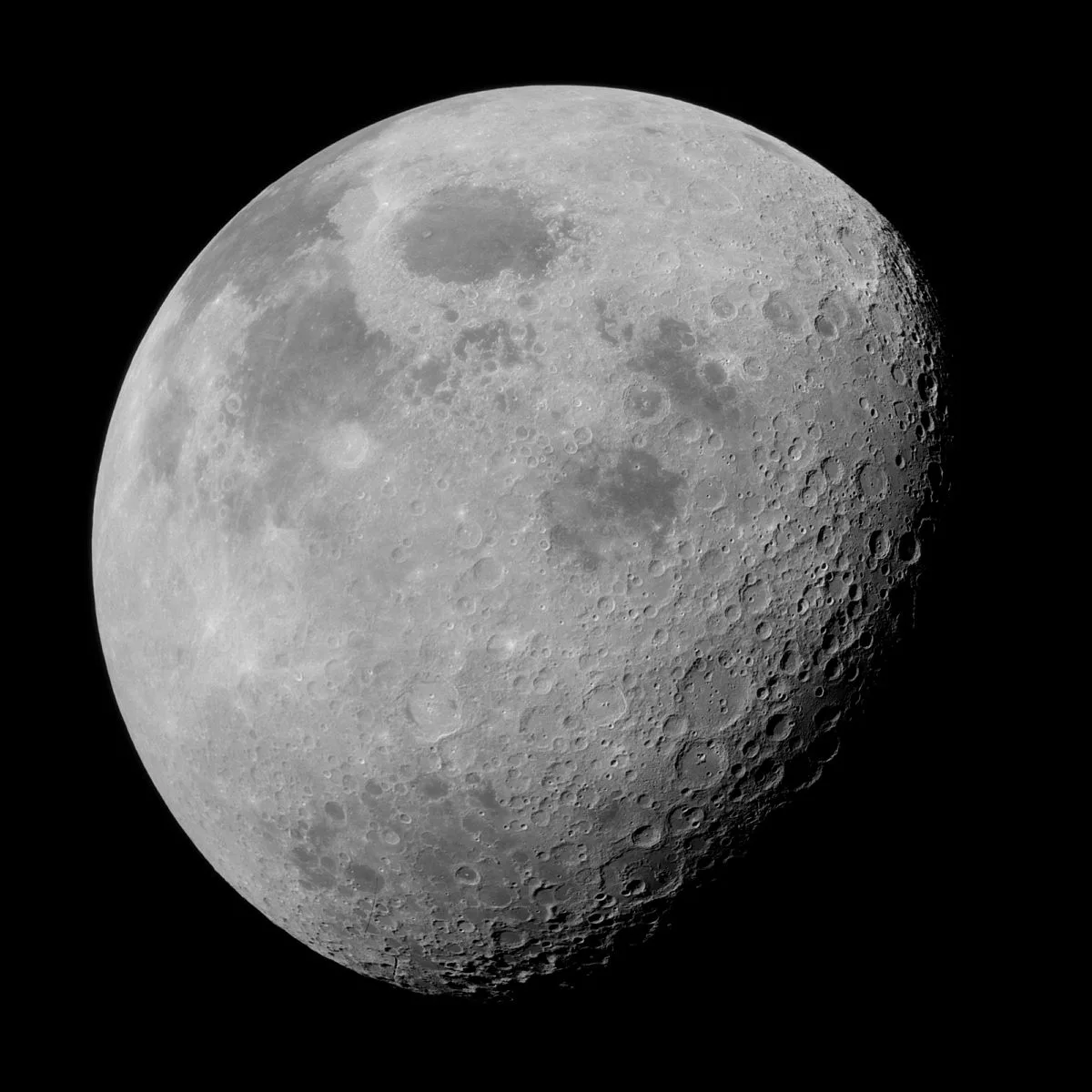
The Moon, gateway for science and exploration
The Moon is the only world besides Earth ever walked on by humans. By studying it, scientists can learn about Earth’s past and better understand worlds throughout the galaxy.
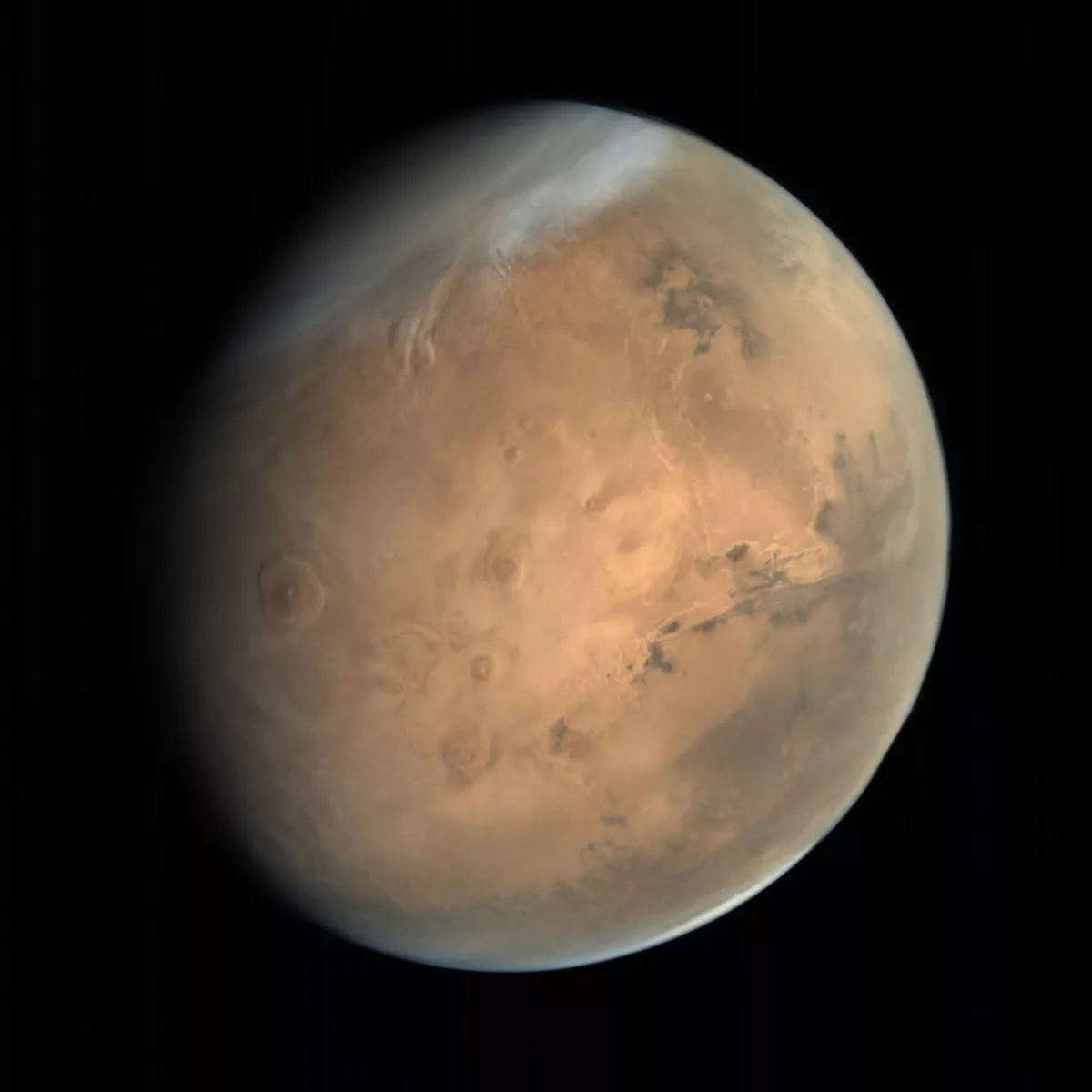
Mars, the red planet
Mars once had liquid water on the surface and could have supported life. Scientists are uncovering how it transformed into the cold, dry desert-world it is today.
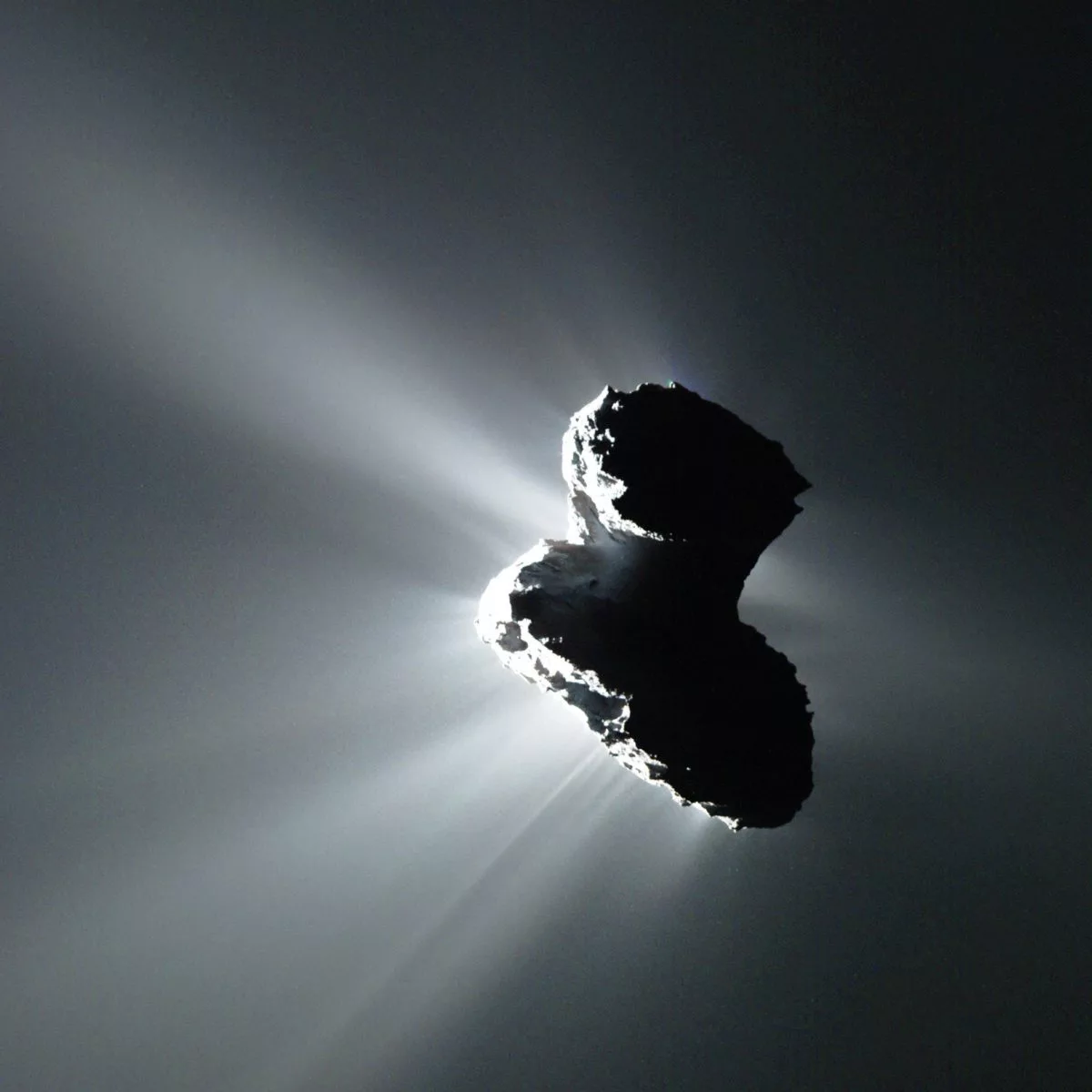
Asteroids, comets, and other small worlds
Asteroids and comets are windows into the Solar System's past and a potential threat to Earth today.
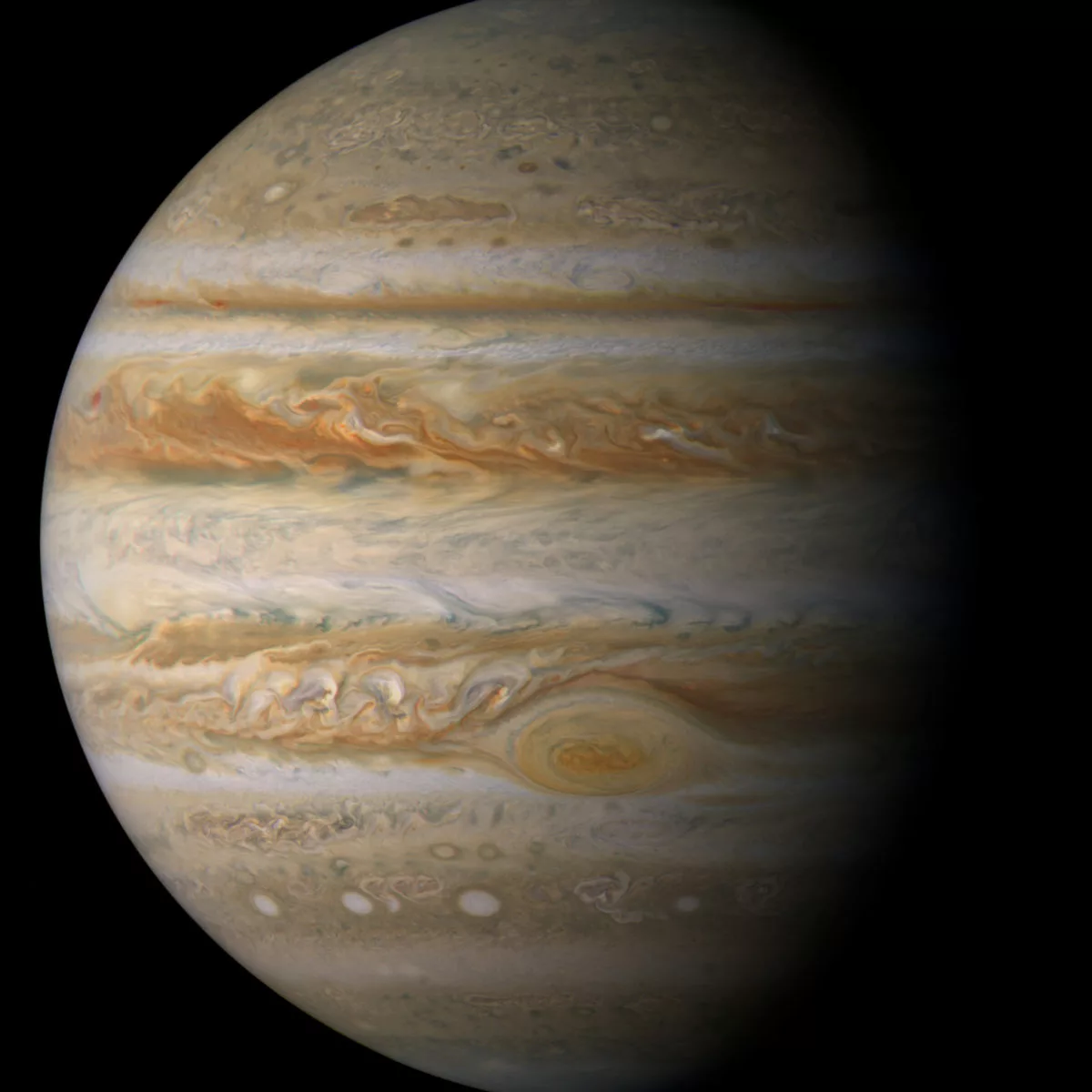
Jupiter, the planet with a planetary system of its own
Jupiter, our largest planet, teaches us how planetary systems evolve. Its four planet-like moons make it a planetary system of its own.
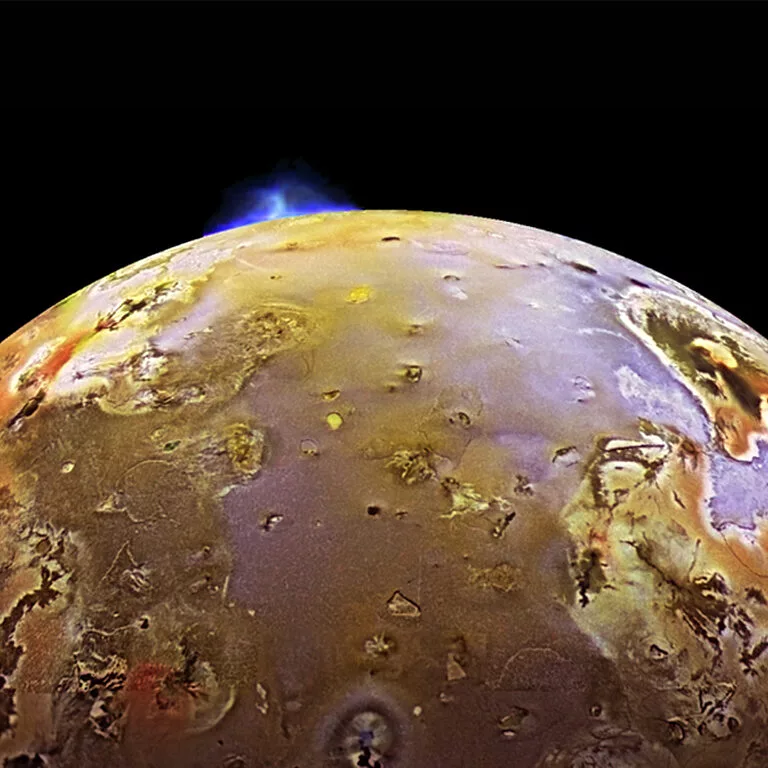
Io, Jupiter’s chaotic volcano moon
Io, one of Jupiter's four Galilean moons, is known for its explosivity.
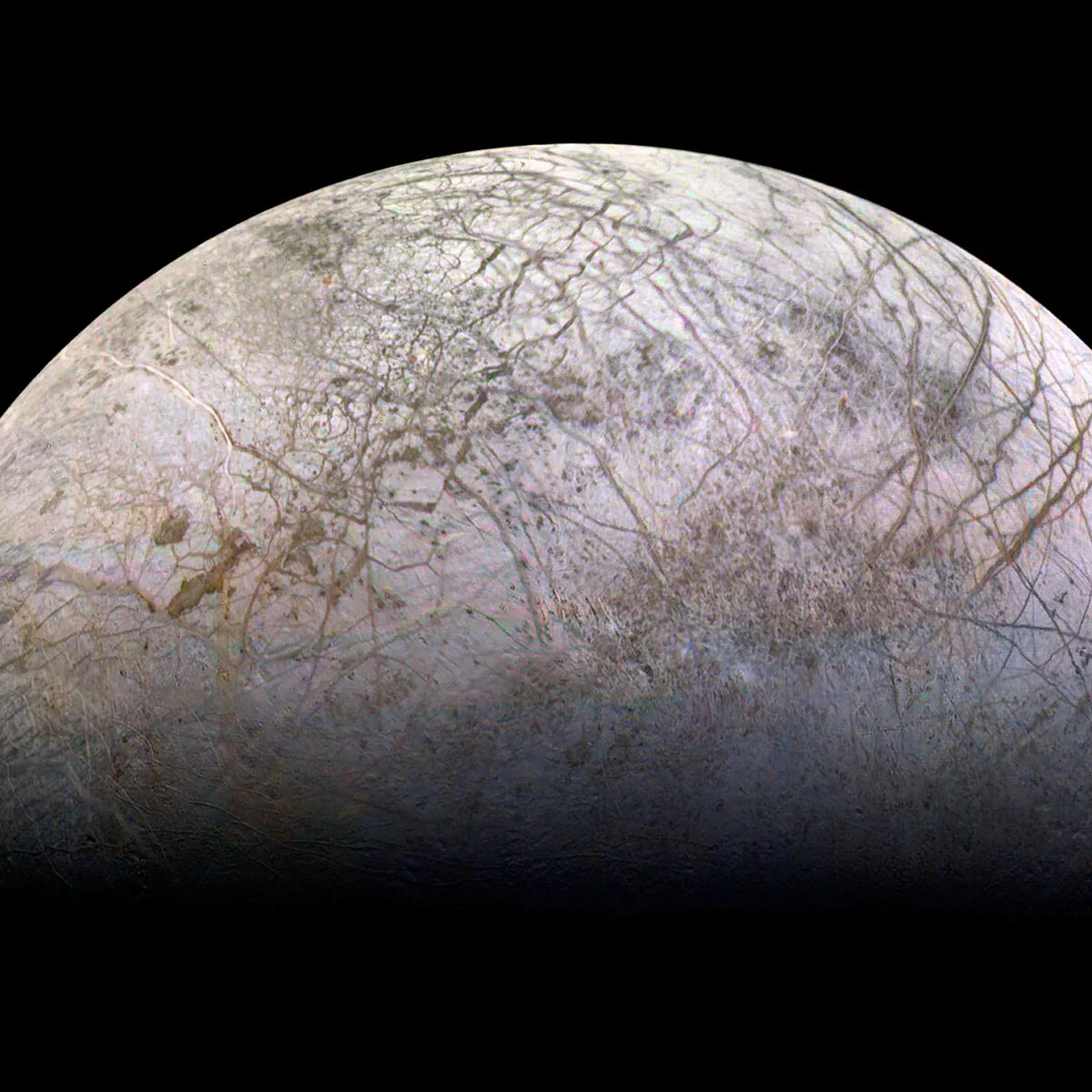
Europa, Jupiter’s possible watery moon
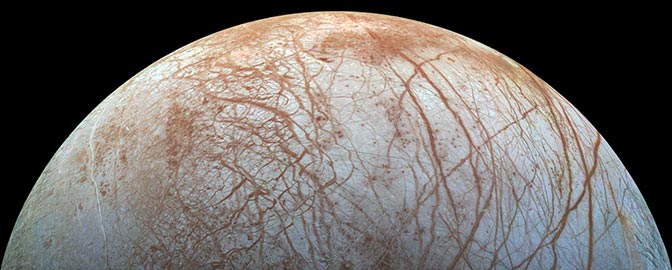
Europa is the sixth-largest moon in the solar system and Jupiter’s fourth-largest satellite.
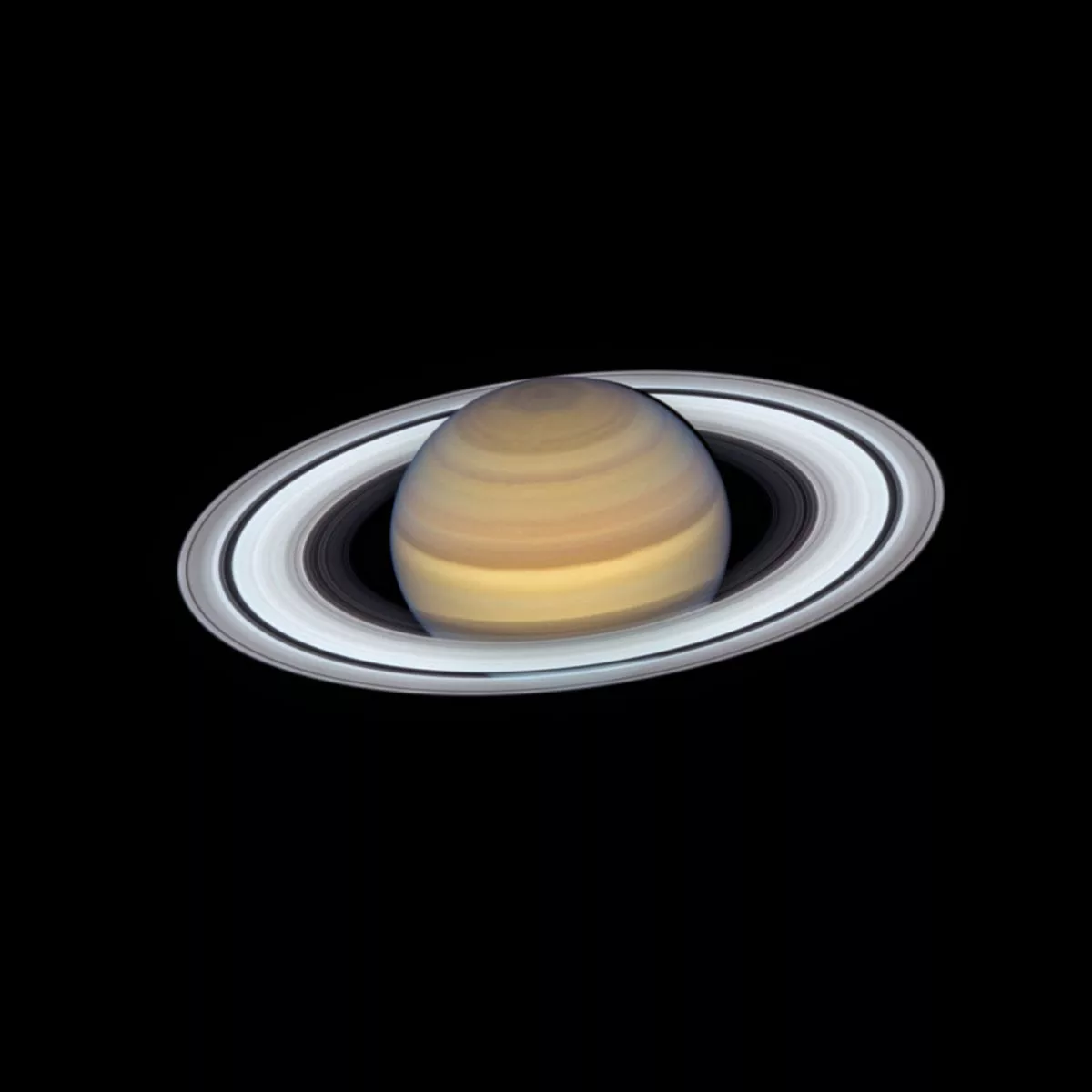
Saturn, planet of rings, moons and more to explore
Saturn has a stunning set of rings, diverse moons, and so much more to explore.
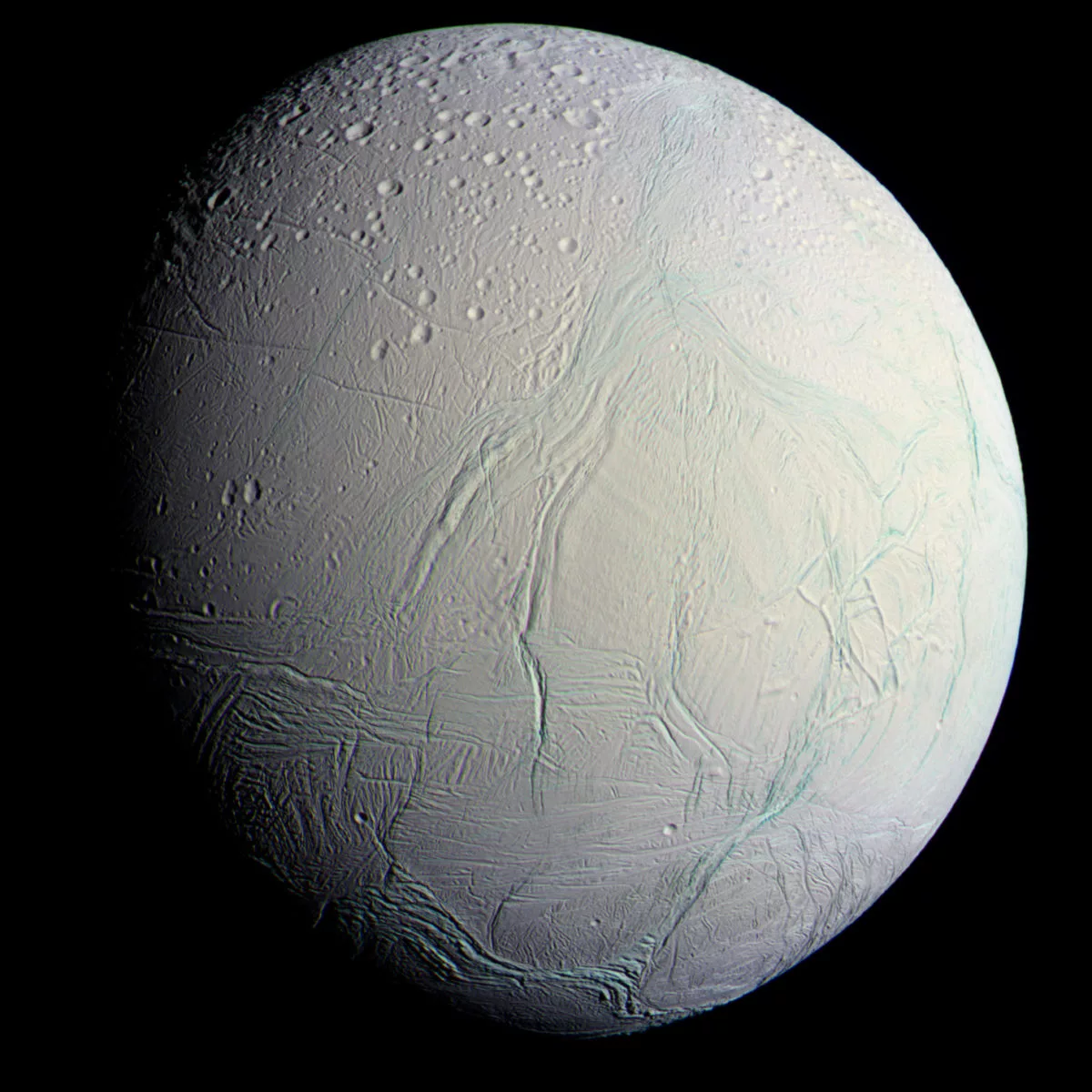
Enceladus, Saturn’s moon with a hidden ocean
With its subsurface ocean and so-called "tiger stripes," Enceladus is one of Saturn's most fascinating moons.
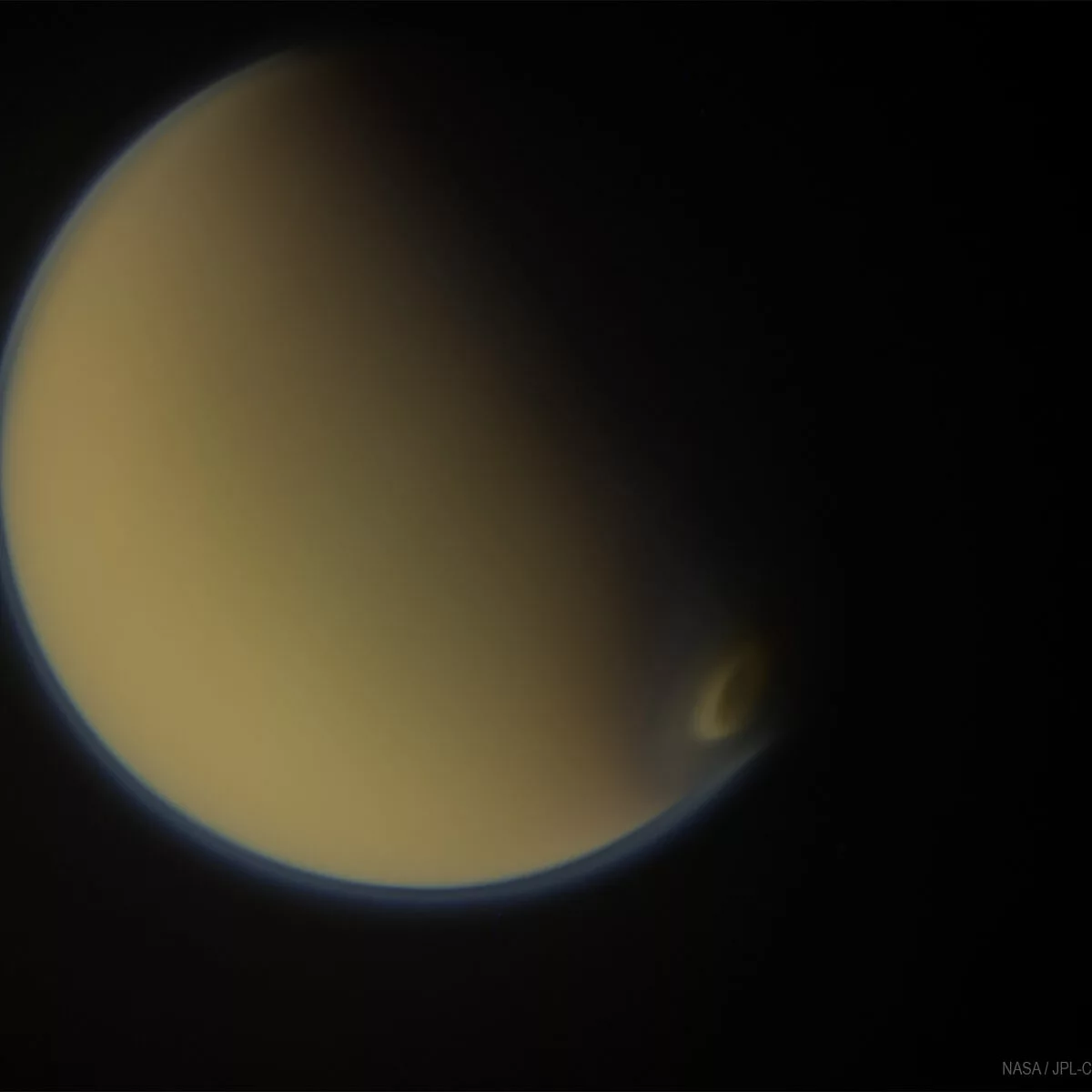
Titan, a moon with familiar vistas
Saturn's largest moon, Titan, is both the only other place in the Solar System with liquid on its surface and the only moon with a thick atmosphere, making it a tantalizing destination to search for life.
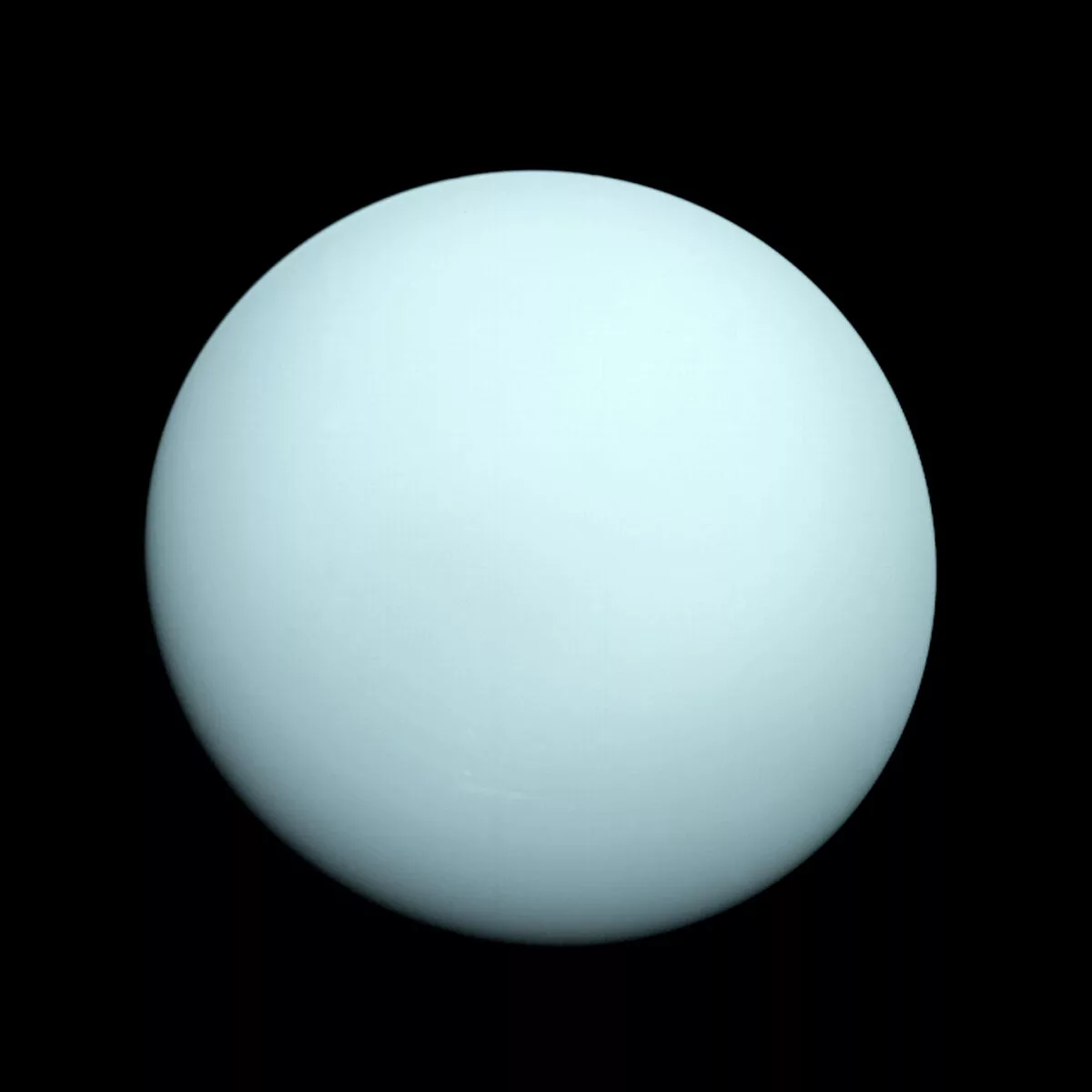
Uranus, the sideways planet
Uranus may be the butt of all planet jokes, but there's much more to this world than potty humor.
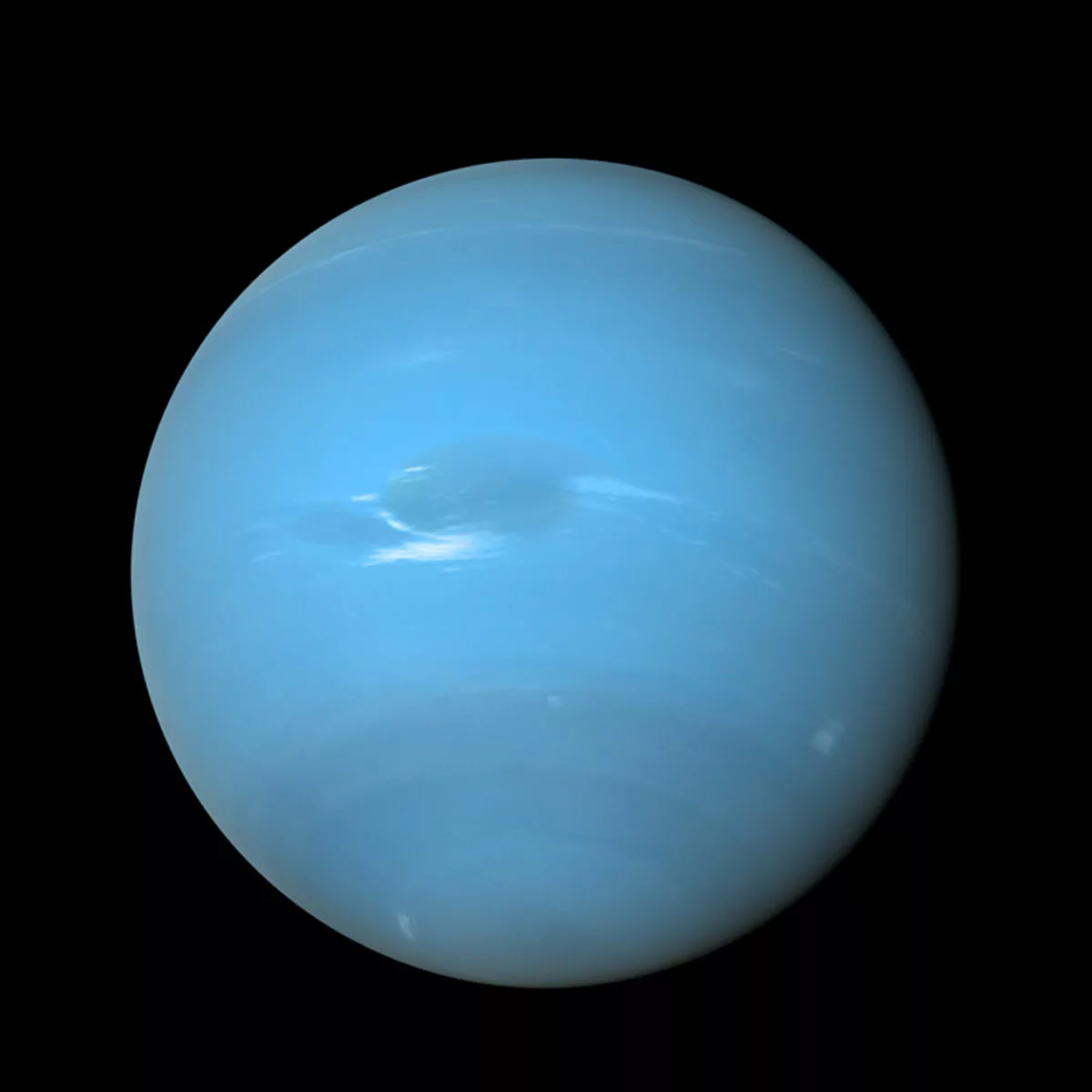
Neptune, planet of wind and ice
Neptune, our outermost planet, is a windy blue world with exotic ice, raging storms, rings, and a moon that could have a subsurface ocean.
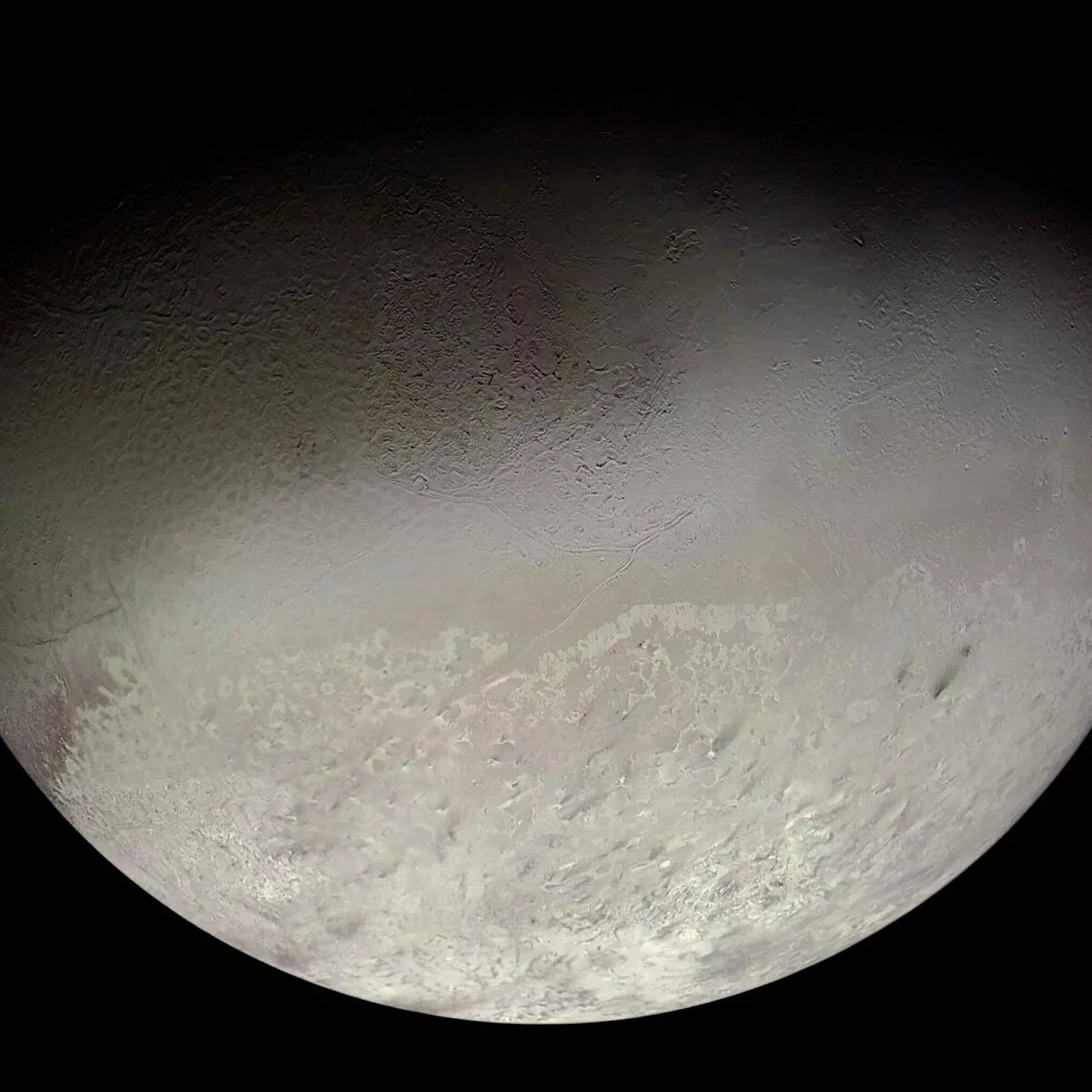
Triton, Neptune's largest moon
Triton is likely a captured Kuiper Belt Object and possibly an ocean world.
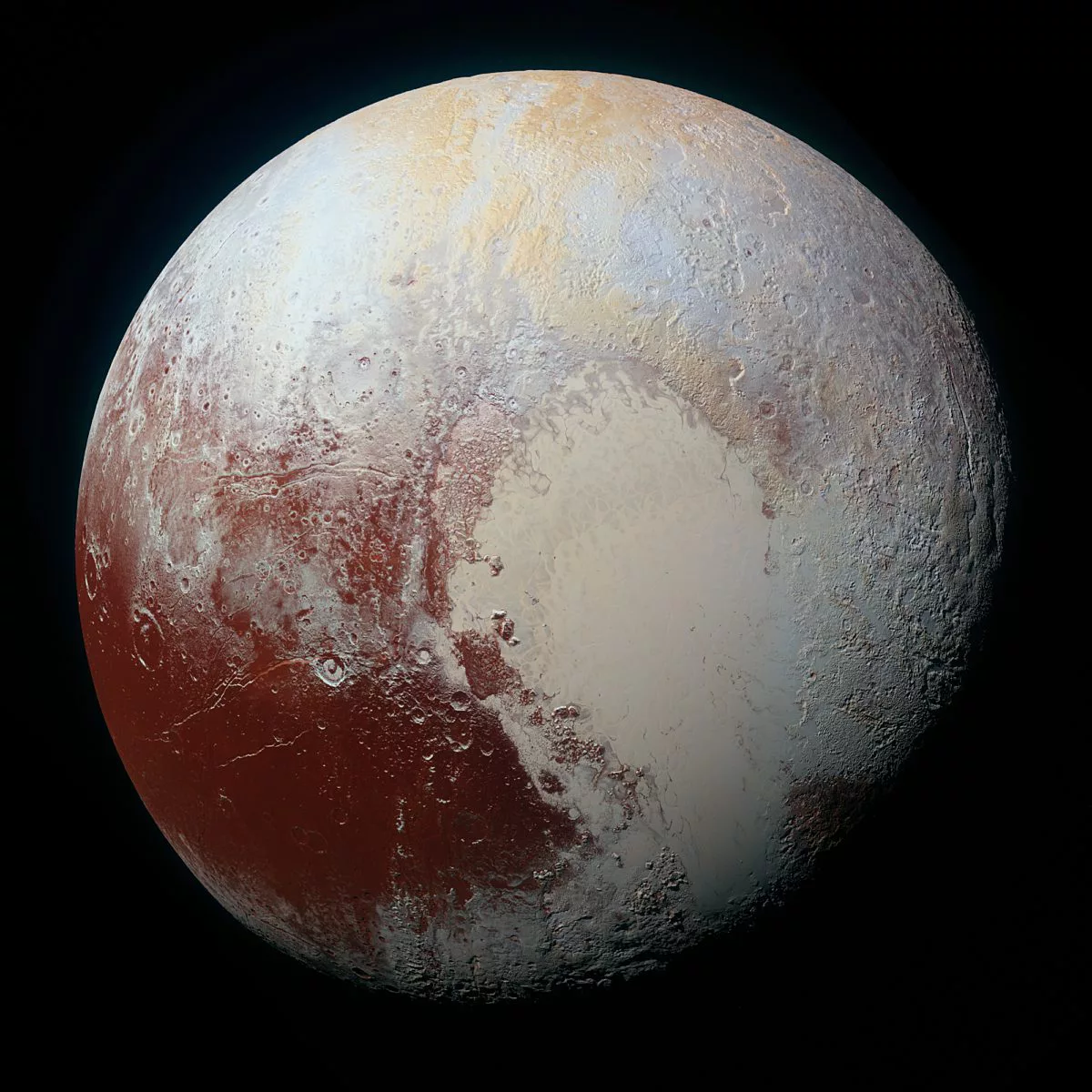
Pluto, the Kuiper Belt’s most famous dwarf planet
Pluto is a dwarf planet and the largest of the Kuiper Belt objects (KBOs) — a collection of ice-rock bodies found outside Neptune’s orbit.
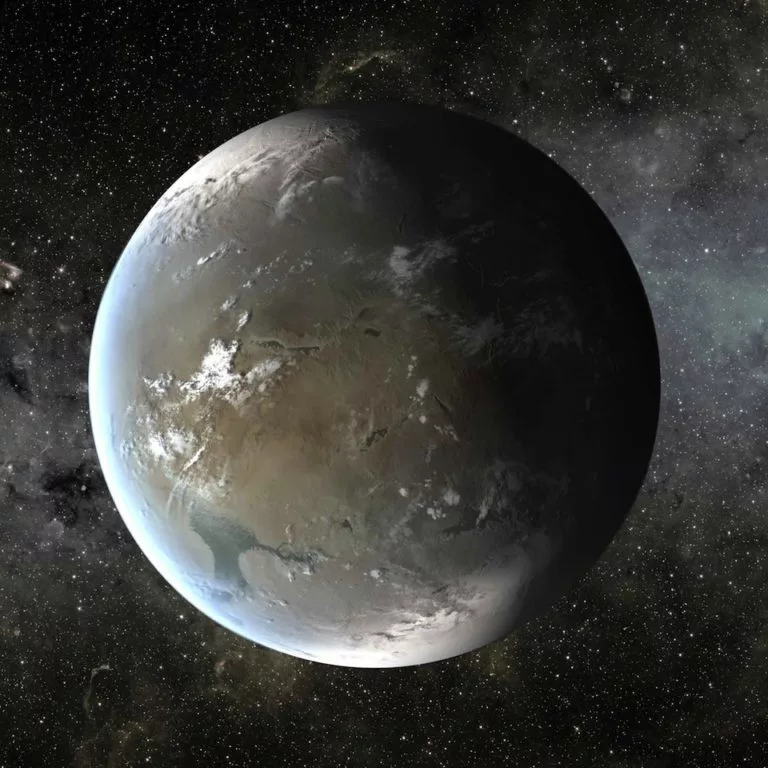
Exoplanets, worlds beyond the Solar System
Some exoplanets could be habitable and are prime targets in the search for life beyond Earth.
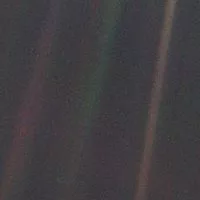
A Pale Blue Dot
Look again at that dot. That's here. That's home. That's us.
What is a Planet?
It's right there in our name: The Planetary Society. But what is a planet? This seemingly simple question is the subject of much debate.
Learn MoreLatest Articles

OSIRIS-REx stable in Bennu orbit, team refines sample collection plans
The team has yet to find a Bennu sample site that matches their pre-arrival expectations, meaning their plans will probably have to change.

Why are there no stars in most space images?
Look up at space at night from a dark location and you can see innumerable stars. Why, then, do photos of so many things in space show black space, devoid of stars?

Israeli Beresheet Moon lander ships to Florida for mid-February launch
Launch is currently set for 19 February, and Beresheet will spend two months traveling to the Moon ahead of touchdown in April.

Hayabusa2 team sets date for sample collection, considers two touchdown sites
Japan's Hayabusa2 spacecraft will try to collect a sample from asteroid Ryugu during the week of 18 February, mission officials said during a press briefing last week.