

 Explore Worlds
 Find Life
 Defend Earth


Planetary Radio • May 13, 2026
Igniting Discovery: A showcase of NASA-funded research
On This Episode
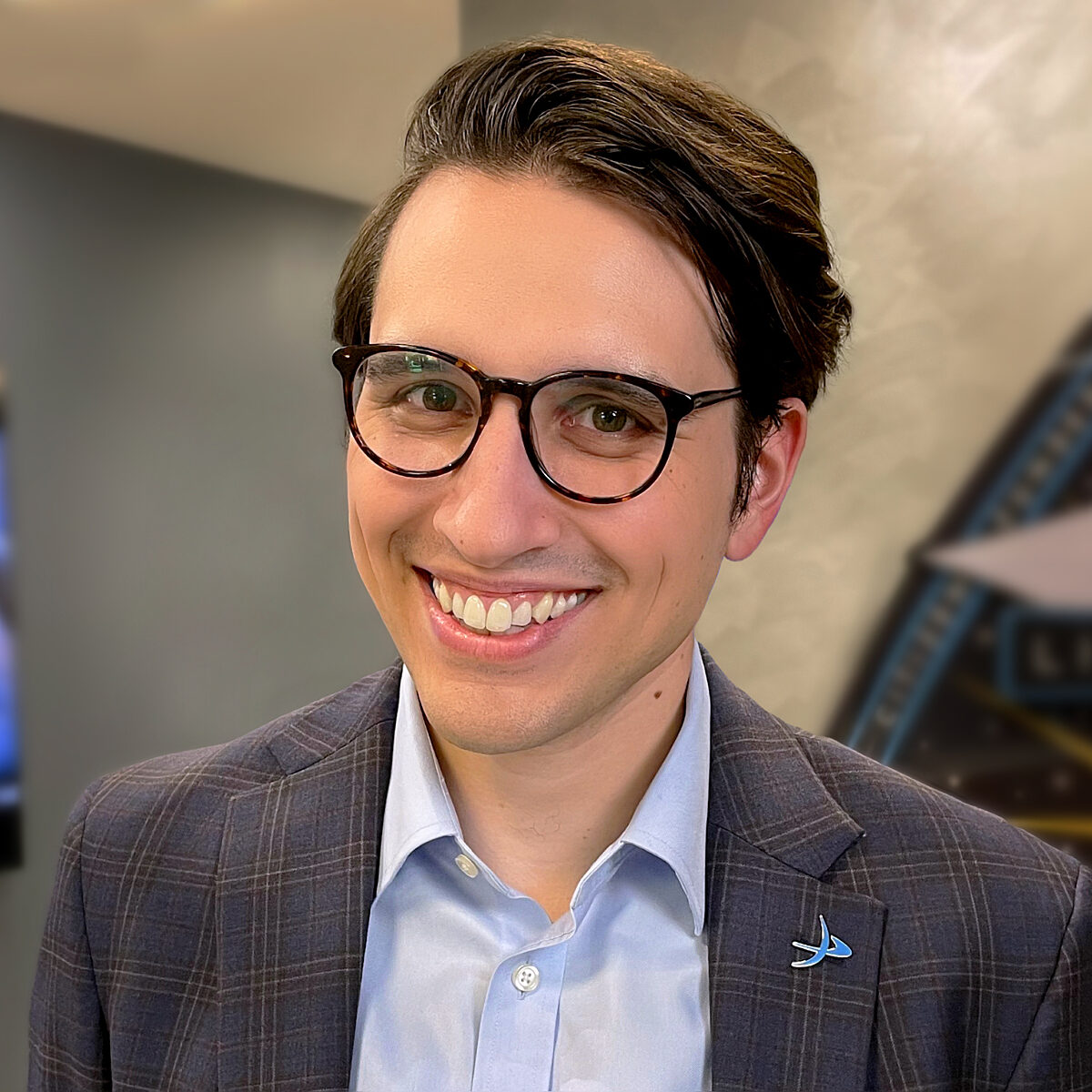
Jack Kiraly
Chief of Advocacy for The Planetary Society
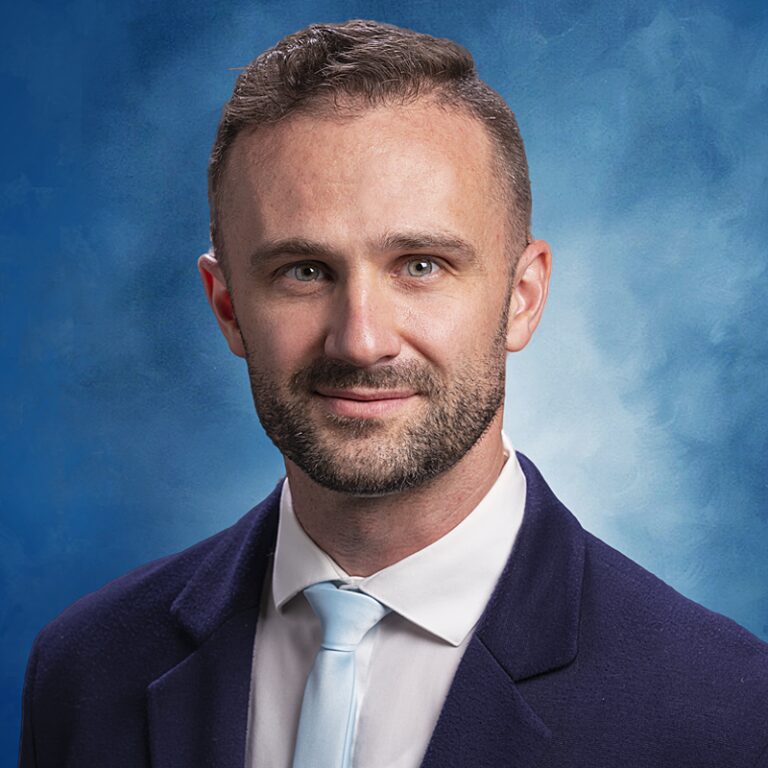
Kirby Runyon
Planetary geologist and research scientist at the Planetary Science Institute
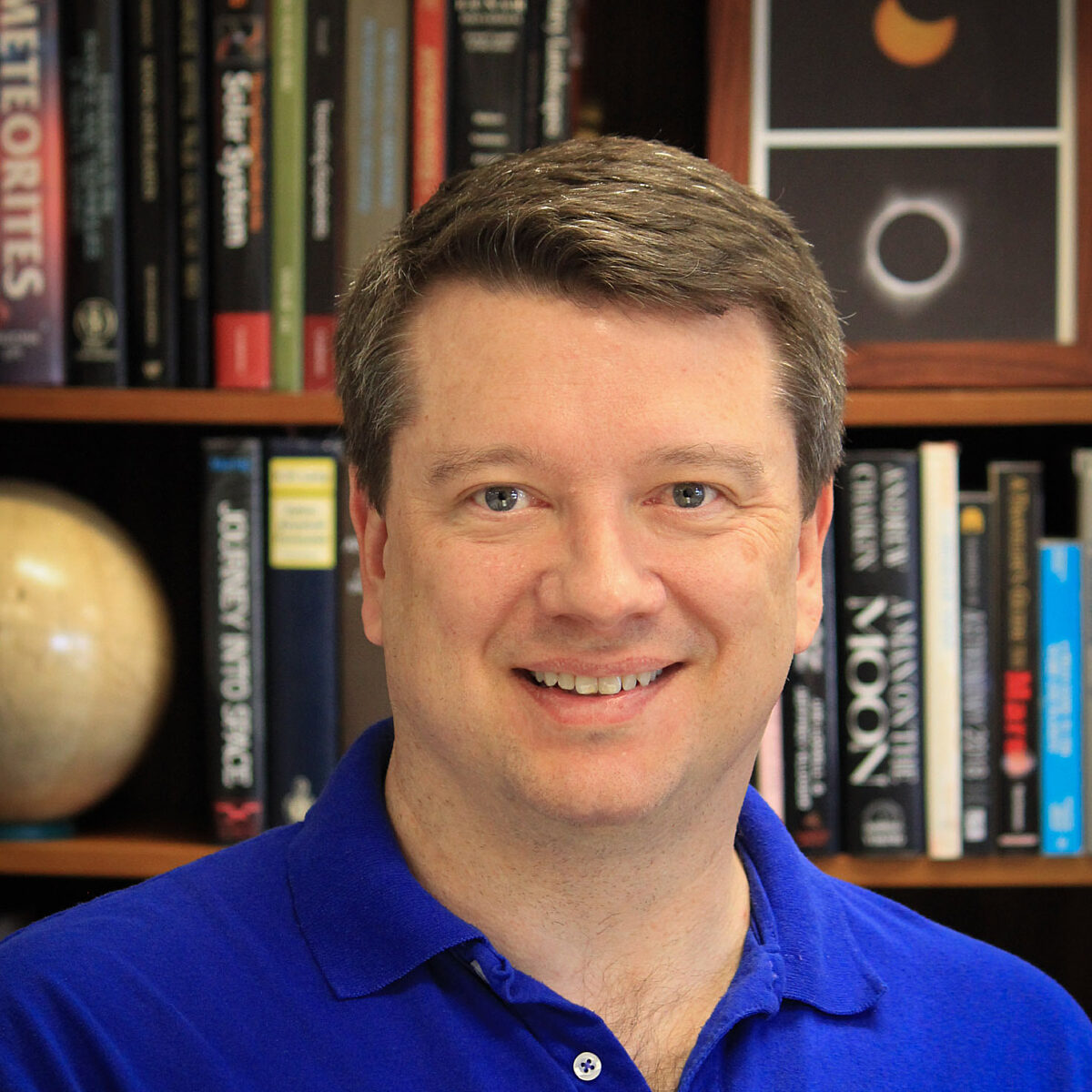
Bruce Betts
Chief Scientist / LightSail Program Manager for The Planetary Society
Sarah Al-Ahmed
Planetary Radio Host and Producer for The Planetary Society
Also in this episode:
- Julianna Charlene Kolczynski, Planetary Society Member and Advocate
- Ari Gozlan, Planetary Society Member and Advocate
- Megan McKeown, Director of Governmental Affairs, Association of Public and Land-Grant Universities
- Blake Schreurs, Virtual Reality Specialist, Johns Hopkins Applied Physics Laboratory
- Christine McCarthy, Research Professor, Lamont-Doherty Earth Observatory, Columbia University
- Brent McBride, Research Scientist, University of Maryland Baltimore County
- Liliana Delgado, PhD Student, Department of Biomechanics, University of Nebraska Omaha
- Sarah Treadwell, Science Communicator (Space Case Sarah)
The Planetary Society's 2026 Day of Action brought something new this year. For the very first time, the advocacy day was followed by a showcase of NASA funded science in an event called Igniting Discovery.
Host Sarah Al-Ahmed speaks with Jack Kiraly, Director of Government Relations at the Planetary Society, about how the event came together, and with first-time advocate Julianna Charlene Kolczynski, whose passion for space traces back to her grandfather's dreams. Megan McKeown, Director of Governmental Affairs at the Association of Public and Land-Grant Universities, opens the event. Then we hear from the scientists themselves: Blake Schreurs of the Johns Hopkins Applied Physics Laboratory, planetary scientist Kirby Runyon of the Planetary Science Institute, Christine McCarthy of Columbia University's Lamont-Doherty Earth Observatory, Brent McBride of the University of Maryland Baltimore County, biomechanics PhD student Liliana Delgado of the University of Nebraska Omaha, and science communicator Sarah Treadwell, also known as Space Case Sarah. Planetary Society member Ari Gozlan closes with a reflection on what it means to celebrate science after the Day of Action. Plus, Chief Scientist Bruce Betts joins Sarah for What's Up.


Related Links
- Day of Action
- Save NASA Science returns to Capitol Hill
- Days after Artemis II, scientists warn of deep cuts to NASA missions
- The FY 2027 NASA budget request
- 84 NASA missions at risk under new proposal
- What is the skinny budget and what does it mean for NASA?
- The Planetary Society Travel
- Planetary Radio: An astrogeologic experience with Kirby Runyon
- Johns Hopkins Applied Physics Laboratory
- Planetary Science Institute
- Columbia University Lamont-Doherty Earth Observatory
- University of Maryland Baltimore County
- University of Nebraska Omaha, Department of Biomechanics
- Association of Public and Land-Grant Universities
- Space Case Sarah
- Dragonfly, NASA's mission to Saturn's moon Titan
- PACE mission
- Europa Clipper, a mission to Jupiter's icy moon
- ESCAPADE, NASA’s twin Mars orbiters
- Buy a Planetary Radio T-Shirt
- The Planetary Society shop
- The Night Sky
- The Downlink
Transcript
Sarah Al-Ahmed:
Igniting Discovery this week on Planetary Radio. I'm Sarah Al-Ahmed of The Planetary Society with more of the human adventure across our solar system and beyond. Last week we shared the stories of space advocates who traveled to Washington D.C. USA to fight for NASA Science funding during our annual Day of Action. This week we're bringing you part two because this year for the very first time we followed up our Day of Action with something entirely new, an event called Igniting Discovery: How NASA Funding Advances American Science. It was a showcase of the very science that we were fighting to protect.
This week I'll speak with Jack Kiraly, director of government relations at The Planetary Society about how that event came together. You'll also hear from first time advocate Julianna Charlene Kolchinsky, whose passion for space traces back to her grandfather's dreams. Megan McKeown, who's the director of government affairs at the Association of Public and Land Grant Universities, opens the event. Then we hear from some of the exhibitors themselves, the scientists and the researchers. Blake Schreurs, who's a virtual reality specialist at the Johns Hopkins Applied Physics Laboratory.
Kirby Runyon, planetary scientist at the Planetary Science Institute. Christine McCarthy, a research professor at Columbia University's Lamont-Doherty Earth Observatory. Brent McBride, a research scientist at the University of Maryland Baltimore County. Liliana Delgado, a PhD student in biomechanics at the University of Nebraska, Omaha. And science communicator, Sarah Treadwell, also known as Space Case Sarah. At the end of the event, I bumped into Planetary Society member and advocate, Ari Gozlan, who reflected on what it means to finally celebrate the science itself.
And of course, we'll close out with Bruce Betts, our chief scientist, who joins us for What's Up. If you love Planetary Radio and want to stay informed about the latest space discoveries, make sure you hit that subscribe button on your favorite podcasting platform. By subscribing, you'll never miss an episode filled with new and awe-inspiring ways to know the cosmos and our place within it. Every year, The Planetary Society brings together space advocates from across the United States to travel to Washington D.C. for our Day of Action.
They meet face-to-face with the representatives in the US Congress making the case for robust NASA Science funding. Last week, we shared some of the voices of those advocates as they walked Capitol Hill. They were pushing back against this year's presidential budget request, which proposes a 46% cut to NASA Science funding. One day later on April 21st, we gathered in the US Senate building for something a little different. It was an event called Igniting Discovery: How NASA Funding Advances American Science.
It was a showcase bringing together researchers and engineers and scientists from across the United States to put their work front and center in front of the policymakers who can change the future of science funding in the United States. The event was organized by a coalition, including the Association for Public and Land Grant Universities, the Association of American Universities, the American Geophysical Union, the American Astronomical Society, the American Society for Gravitational and Space Research, the University of Colorado, the University of California Irvine, and of course The Planetary Society.
Each group contributed staff resources and reach so that we can ensure that all five of NASA's science mission directorate divisions were represented in that room. I spoke with Jack Kiraly, The Planetary Society's director of Government Relations about how this event came together and what he hoped that everyone would take away from it. All right, Jack, day three of Day of Action, we're about to go into our science showcase of things funded by NASA Science. How did all this come together?
Jack Kiraly:
Well, this really started during last year's Day of Action when us and our partner organizations were talking about, of course, having a large presence on Capitol Hill, but then transitioning from that to let's show congressional staff not just that the public and professional societies and labor unions and trade associations are excited about this, but how it's actually done. And so, this really exposition of exploration that we've put together is really a demonstration of these are the universities and research institutions and engineering facilities that make space science happen, that this is how the US leads the world in space.
And of course, last year we were in the middle of a government shutdown for the first Save NASA Science Day of Action and so this event did not happen. And so, this is the rekindling of that event under a new name Igniting Discovery, really with the goal still being informing congressional staff about what it means, not just in terms of a theoretical leadership in space, but what it practically means in states all across the country.
Sarah Al-Ahmed: I didn't really know what to expect going into this because I wasn't part of the team that planned it, but looking at the number of people that have come here from across the United States to show off their science, I can see how much time and planning went into this. How long did this take to put together?
Jack Kiraly:
Oh, months. Honestly, it was after the last Day of Action ended in October we started having the conversation of if we are going to do this again in 2026 and here we are just a third of the way through the year and putting this event together around our Day of Action, but also a number of other congressional visit days being organized by the American Astronomical Society, American Geophysical Union, a number of other organizations that all use April as a timeframe. And it really has been a meaningful period of time because we got the president's budget request just a few weeks ago offering to eviscerate NASA Science and the National Science Foundation and STEM education across the country.
Very just out of step with where Congress, the American public, even others in the administration are. And so, this is really a great opportunity to continue to build on the momentum of Save NASA Science to show them what NASA Science is capable of producing.
Sarah Al-Ahmed: I'm really excited to see everyone here who's exhibiting, but also excited to see who shows up for this. Yesterday when we were doing the Day of Action, we handed out flyers to almost every single one of the offices we went through and we ended up running out of supplies to show off this thing. How many meetings did we actually end up having yesterday during the Day of Action?
Jack Kiraly: So, that's a good problem to have right when you're running out of materials. So, the numbers are still out because we've had a couple meetings that shifted around throughout the day. People are still submitting their meeting reports and then we're still getting a sense of the drop-ins that we did. I think I can very confidently say it's more than 200, almost certainly more than 200 meetings. I think we've even surpassed 250, which would be close to a high watermark, if not the high watermark for impact for one of our Days of Action.
Sarah Al-Ahmed: Well, we've been saying for years that one of the best ways to actually connect with legislators and their staffers about the value of science is not only sending emails, but having these face-to-face conversations with them. We've been doing this with constituents during the Day of Action, but what do you hope that legislators and staffers and everyone visit this get out of meeting with the scientists themselves?
Jack Kiraly:
What I want them to understand is that this is not something that just happens in a handful of districts across the country, but is in fact a nationwide effort that keeps the US as the world leader in space science. And it's very easy for us to say, and we say this all the time on the show and in these meetings, that the US has led the world in space science and exploration for the past 60 years. And it almost becomes background noise when you're saying it so often and you lose the actual, physical hardware that is here, that I'm looking across from me right now and there is part of a satellite bus here.
And so, to actually have an opportunity to see, understand, and feel, touch the tangible benefits of investments in NASA is really something extraordinary. And I hope people come away from this realizing that NASA Science touches every state, touches almost every congressional district and is something that we as Americans can be really proud of.
Sarah Al-Ahmed:
Jack mentioned that we might hit 250 meetings during the Day of Action. As it turned out, we surpassed that by quite a lot. Our advocates actually held 280 meetings on Capitol Hill in a single day, which is remarkable. The reasons that people are so passionate about this work are as varied as the advocates themselves, but each of them is drawn to our Day of Action by a deep belief that science matters. For many, that argument for science funding in the United States is as old as the Republic itself. Article 1, Section 8, Clause 8 of the US Constitution gives Congress the explicit power to promote the progress of science.
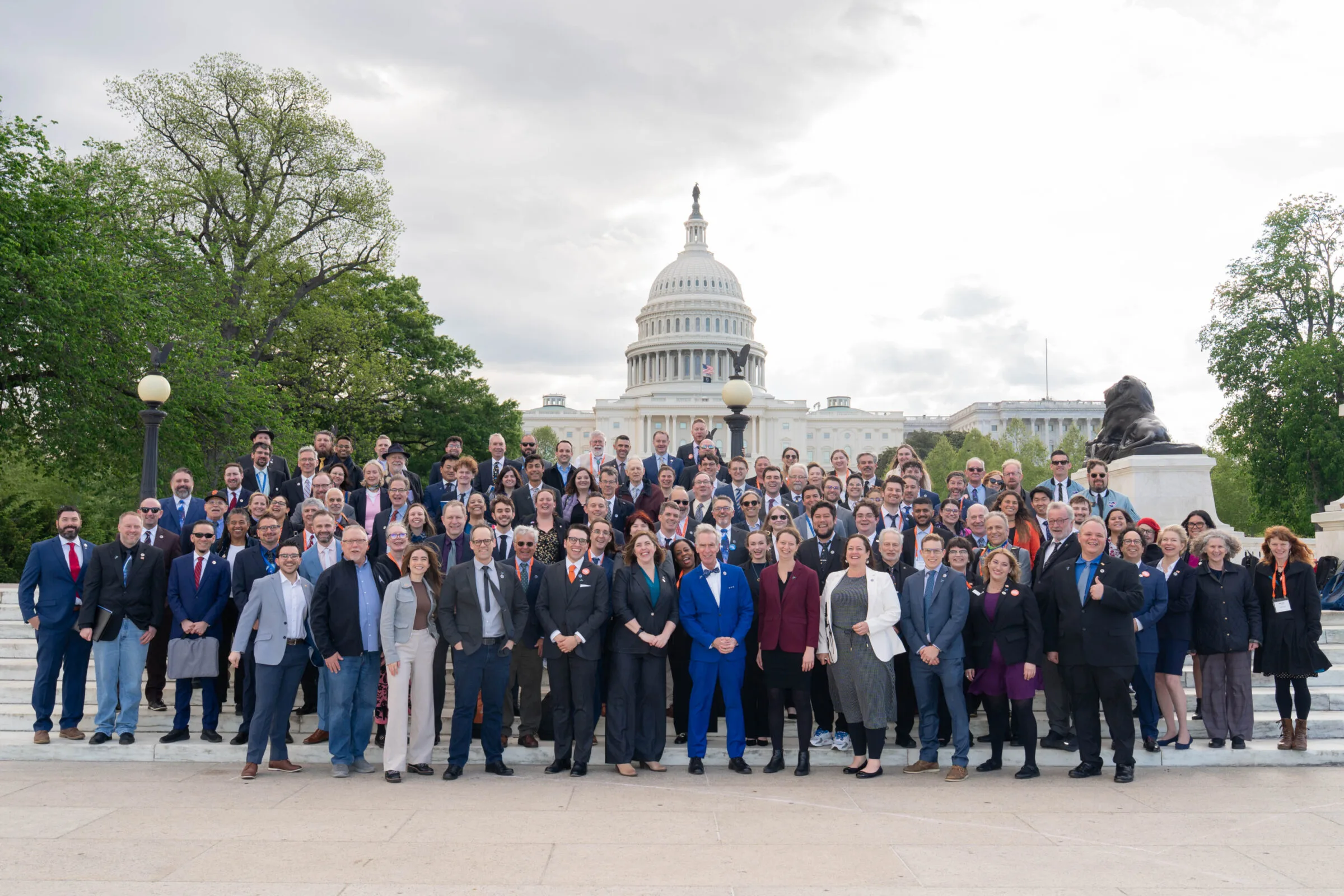
And the United States supporting scientific research isn't just a luxury, it's a constitutional responsibility. You may have heard Bill Nye, who's our organization's former CEO, now our chief ambassador, who quotes this passage often, but the day before the science showcase at the Day of Action group photo meetup, Bill wasn't the only one that came prepared with a copy of the US Constitution. First time advocate Julianna Charlene Kolchinsky had her own copy and when the two of them held them up together for a photo, it became one of the most powerful images from the entire event.
Julianna is a first-time participant from Virginia whose passion for space exploration traces back to her grandfather. She stayed on for an extra day so that she could attend the Igniting Discovery event and I spoke with her about what brought her to Washington D.C. and what that picture moment with Bill Nye meant to her.
Julianna Charlene Kolczynski:
My name is Julianna Charlene Kolchinsky. I am from Virginia, but my story does not begin with me in 1999 being born in Trenton, New Jersey. It begins in 1952 in Trenton, New Jersey with my grandfather, Charles. He was a naval engineer at the Naval Air Turbine Test Station and he absolutely loved anything to do with aeronautics, astronautics, space, the sky. And as an engineer, he would bring in the Apollo missions on a television to my mother when she was in elementary school. And he was supposed to become a very high-ranking engineer and do a lot of amazing things with jets and rockets and spaceships.
But unfortunately, he passed away before he got the chance at the age of 45 years old. So, it was always my dream when I was a little girl to do something related to space and whether that was in engineering or policy or whatever I could do to help that dream continue. So, I'm here this week with Planetary Society to help save NASA funding and bring that dream full circle and say that we are going to Save NASA Science and I just hope that I'm making my grandfather proud today.
Sarah Al-Ahmed: Well, I don't want to speak for your grandfather, but seeing your passion over the last few days, I think that is beautiful and he would be proud of you for this.
Julianna Charlene Kolczynski: Thank you so, so much.
Sarah Al-Ahmed: I also want to shout you out because yesterday as we were all gathering for our group photo, it's a classic thing when Bill Nye, our previous CEO comes around that he always has a copy of the US Constitution in his pocket so we can whip out that section that shows everybody that science is written directly into the Constitution. And there was a moment you wept out your constitution as well and took a wonderful photo that is now trending on social media. How does that feel to have that moment?
Julianna Charlene Kolczynski:
That was absolutely wild. I checked the Instagram and I was not expecting to see my face on there and my friends were texting me too that it had come up on their social media page as something that would like the algorithm showed them and then they clicked on Planetary Society and they were like, "Wait, that's my friend on there?" And so, I have people texting me too being like, "You're trending?" And it is absolutely wild. It is an honor that as someone who is a first-time advocate with The Planetary Society to have this moment to be out there and be seen as an advocate too and have my story heard and just be part of this new family.
That's what it is. It is a family, we are a family of advocates who have a common passion, a common purpose, and it is just the best feeling.
Sarah Al-Ahmed: Well, thank you for taking the time to come out here for your first Day of Action and what is such a pivotal time for funding for NASA. I know we accomplished it last year, I feel in my heart after seeing the passion of advocates like you and everyone that's been with us that we have a good chance of doing this once more. So, thank you for what you're doing, I truly appreciate it.
Julianna Charlene Kolczynski: Thank you so much. I think this is the first of many for me.
Sarah Al-Ahmed: Shortly after that conversation, the event began. Megan McKeown, who's the director of government affairs at the Association of Public and Land Grant Universities, was one of the key organizers who made this igniting discovery showcase possible. I recorded her opening remarks to the assembled crowd.
Megan McKeown:
Thank you, everyone. This is an amazing showing of attendees and exhibitors and we are just so thankful to have you all here today for Igniting Discovery: How NASA Funding Advances American Science. My name is Megan McKeown, I am the Director of Governmental Affairs at the Association of Public and Land Grant Universities. I'd like to start by welcoming our wonderful exhibitors who have traveled here from across the country to showcase their fascinating and impactful science. Of the 20 exhibitors in the room today, they all receive funding or partner with NASA Science Mission Directorate.
They are conducting research and developing technologies that are revolutionizing humanity's fundamental understanding of the universe and our Earth. Each of the science mission directorates divisions, including astrophysics, heliophysics, earth science, planetary science, and biological and physical sciences is showcased here today. This afternoon, not only will you meet with scientists, engineers, and researchers from academia and industry who are at the top of their fields, but also many students supported by NASA funding who are our next generation STEM workforce.
11 days ago, NASA's Artemis II mission splashed down after successfully flying around the far side of the moon. Love the round of applause. Just as that showed, the mission recaptured the hearts and imagination of the country. Completing this major feat of humanity would not have been impossible without the imaginative cutting-edge research and engineering conducted by the science mission directorate and its many partners across the nation. Indeed, the work in the room today will be just as foundational to achieving our nation's future goals of returning Americans to the moon and eventually Mars.
The dedication, genius, and curiosity before us highlights just what an exciting future NASA and our nation's space enterprise has in store. Thank you.
Sarah Al-Ahmed: Honestly, I was struck by how packed that room was. I'd expected pretty good attendance, but that room was full of people. I made my way around the room to speak with some of the exhibitors and over the next several minutes, you're going to hear some of the conversations with people I met. I started with Blake Schreurs, who's a virtual reality specialist at Johns Hopkins Applied Physics Laboratory. When I found him at the showcase, he was demonstrating a one-to-one scale augmented reality model of the Dragonfly spacecraft using VR headsets. Okay. I am now wearing a 3D headset experiencing something here from APL.
Blake Schreurs: Thank you. Is your left hand blue?
Sarah Al-Ahmed: My left hand is blue.
Blake Schreurs: Left hand is blue. Okay, so let's go over here to the QR code.
Sarah Al-Ahmed: All right. Oh, is this Dragonfly?
Blake Schreurs: This is Dragonfly.
Sarah Al-Ahmed: Oh my gosh.
Blake Schreurs: So, one-to-one scale model of Dragonfly. This is based off of the actual CAD files used to build the Dragonfly.
Sarah Al-Ahmed: Dude, this is amazing. I've seen a smaller version of Dragonfly that was used for testing over at JHUAPL, but this is actually seeing it at its full scale, I can't even imagine what this is going to look like flying around Titan.
Blake Schreurs:
Right. It launches 2028. It arrives at Saturn's Moon Titan in 2034. So, six years in flight, it's bringing all of its own power with it. Titan's too far away, the sun is very weak from Saturn's moon and it's also there is an atmosphere there. Basically, you bring your own power. So, what you do is they're actually just going to land it autonomously. They sit, rest, recharge the batteries off of the MMRTG and then once they've charged up the batteries and done the science that they want to do at that spot, they fly around, they do a scouting mission.
They land back where they started, do the processing, figuring out what their next location is, recharge, and then they go fly to that location, do the science, recharge, scout, recharge, go to a new location.
Sarah Al-Ahmed: We're going to see so many things out there. I know it can't fly anywhere near that lake district, but just seeing all the organic dunes, what are you most excited for them to check out while they're on time?
Blake Schreurs: I think it's interesting because it is a prebiotic environment. All the chemicals are right for life, but it's way too cold, so for anything that we would recognize as life. So, it is going to be interesting to see how do all those chemicals interact. Does that give us any insights as to maybe what the chemistry here on Earth was like and how life may have formed here on Earth? So, on this also there's tectonic sensors, there's a drill, there's a suite of cameras and there's a spectrometer. So, they'll take ground samples, they'll be able to do spectrometry so they understand what's in those chemicals. You can actually walk into the model and see the insides of the model.
Sarah Al-Ahmed: Oh, wow.
Blake Schreurs: So yeah, just go ahead and walk right in and you'll see the batteries, wires, all of it.
Sarah Al-Ahmed: Oh my gosh. Literally as I stick my head into this 3D model, the pieces are revealing themselves. This is technically complex, look at all the wiring within this thing. Oh my gosh.
Jennifer Vaughn: It's so detailed.
Sarah Al-Ahmed: This is so cool. And just a little bit away from here, right now we're in Washington D.C., but this is being assembled over at Johns Hopkins Applied Physics Lab. So, this is actually being tested not far from here. I kid you not, this thing is about as tall as I am. What a wonderful and cool way to experience this kind of science by doing it through 3D headset, through VR experience. Absolutely amazing. I wish you guys could be here to see this. This is so cool.
Kirby Runyon: Yeah. Hi, Sarah. Hi, Planetary Radio, I'm Dr. Kirby Runyon at the Planetary Science Institute.
Sarah Al-Ahmed: Well, we've had you on the show in the past most recently to talk about your geological adventures showing people around, but what are you doing here today at the Science Showcase?
Kirby Runyon: Yeah, we are showcasing what the Planetary Science Institute does with NASA funding from NASA Science Mission Directorate and for most of us at the institute, the Planetary Science Division. I'm a planetary geologist and so I'm showcasing a lot of the geologic mapping I have been and am doing on the moon. Some of the experiments I've done related to impact cratering, including on the zero-gravity aircraft and a number of us from the institute are just showing the various different types of science. Right now, over here we've got Deborah Deming showing a case of meteorites to some Senate staffers. And so, we're trying to make space as tangible for people here on the hill as possible.
Sarah Al-Ahmed: I feel like one of the coolest ways to make people feel a connection to space is literally putting a rock from space in their hands, but also just the heft of the thing. It's always such an interesting experience to actually feel that. Can you describe what that's like?
Kirby Runyon: Sure. Some meteorites, they're iron nickel meteorites, possibly from the destroyed cores of planets that were. And iron and nickel are very really dense, and so there's a lot of atoms just crammed into a small space there. So, when you feel that meteorite, it's got a lot of heft compared to say a more common rock that might be made out of the minerals feldspar or quartz or something. So yeah, if a meteorite came from the busted-up iron core of a planet, if it's an iron nickel meteorite, then it could be pretty dense. And we're going to know a lot more when NASA's Psyche spacecraft gets to its namesake Asteroid Psyche and tells us more about what a heavy metal world is really like up close.
Sarah Al-Ahmed: I'm really interested to see whether or not all those predictions about like the knife-like shards coming out of those craters are actually real. What are you most looking forward to from that mission?
Kirby Runyon: Yeah, same, Sarah. Everything's been cratered, I study impact cratering. I study all aspects of impact cratering and we don't know is it a metallic regolith on the surface of Psyche? Do you have the sharp shards sticking up like you're talking about? With the overturned flap on the crater rim, is that like this razor sharp peeled back metal? We don't know, we're going to find out. Is there a magnetic field and maybe you've got bits of iron filings in the regolith making these weird shapes following lines of magnetic flux coming out of the surface of Psyche? We don't know, we don't know what we're going to see that's why we're going, as Bill Nye likes to say. "We don't know what's there. That's why we're going."
Sarah Al-Ahmed: I cannot wait. You also have a collection of books here on the desk. What are you featuring here and what are they meant to teach people who are coming around here from Congress?
Kirby Runyon: These are written by fellow scientists at the Planetary Science Institute.
Sarah Al-Ahmed: Oh, Grinspoon.
Kirby Runyon:
So, David Grinspoon, yeah, he's on staff here at the institute. He also had a recent rotation in NASA headquarters and this is a book called Venus Revealed. And right on the cover, there's a Magellan radar image of the surface of Venus looking at lava flows on the surface there. One of our founding scientists, Bill Hartmann, he's one of the patriarchs of planetary science. He helped found the Planetary Science Institute, he's also an author and an artist and I'm holding here a Travelers Guide to Mars: The Mysterious Landscapes of the Red Planet. And then Bill Hartmann and Ron Miller wrote the Grand Tour: A Traveler's Guide to the Solar System.
And then over here, a number of PSI-ers wrote a children's book simply called The Moon: Discovered the Mysteries of Earth's Closest Neighbor.
Sarah Al-Ahmed: I collected space books when I was a kid. I think Ms. Frizzle taught me so much about the solar system, both through that book and those collections, but also the video game. So, I'm so glad that you're sharing books here, not just online resources, but I think there's something really important, not just about the tactile feeling of a book, but about a meteorite and all the other things that you have here. So, I think this is a really cool way to show people here on the hill why this kind of science is so valuable.
Kirby Runyon: Yeah, I agree. Thank you. And I'll put a short plug in, I've got a book in production right now called How to Vacation in Space Without Leaving Earth. And it's a book on planetary and spaceflight analogs that normal everyday people can do to experience more of the passion, beauty, and joy of space exploration here on Earth.
Sarah Al-Ahmed: You would be the perfect person to write that book. I love that.
Kirby Runyon: Thanks, Sarah. Yeah.
Sarah Al-Ahmed: Thanks, Kirby.
Kirby Runyon: My pleasure.
Sarah Al-Ahmed: We'll be right back with more of the Igniting Discovery Science Showcase after the short break.
Bill Nye: Greetings, Bill Nye here, chief ambassador of The Planetary Society. Last year you showed up and it made all the difference. Tens of thousands of you sent messages to Congress, you traveled to Washington, you made your voices heard, and together we stopped nearly 50% in cuts to NASA Science. That victory, that was you. But the fight isn't over, new challenges are here. Your gift today keeps our advocacy efforts going strong so that next time we can act fast, fight hard and win again. Together we're not just saving NASA Science, we're protecting humanity's greatest adventure. So, please check out planetary.org/takeaction and together we can carry on, keep exploring and change the world. Thank you.
Christine McCarthy: Hi, I'm Christine McCarthy. I'm a research professor at Lamont-Doherty of Columbia University.
Sarah Al-Ahmed: So, I see here that you have a globe. I'm looking at a Europa globe.
Christine McCarthy:
This comes from information that we got from the Galileo mission, which was back in the '90s. You could see there's whole swaths, a very poor resolution, but that's going to be fixed. In 2030, the Clipper mission is going to arrive at Jupiter, but then it'll be taking far better images and we'll really start to try to figure out what's going on with the surface features. Are there Earth style plate tectonics? We don't know. What we are pretty sure from lots of evidence from before is that there's a global liquid ocean underneath the icy shell, which is very exciting because where you have water, you might a possibility of life.
But that's not the only thing you need, you also need sort of like access to important chemistry, which a dynamic plate tectonic style icy shell might provide. And my part in all this, because no, I didn't make the globe and no, I'm not at all involved in Clipper, I'm just a super fan. What I do is I run a lab that studies the behavior of ice and rock. So, I'm a geologist by training, I run experiments trying to come up with the conditions of the ices and the salts, the brown parts or the salts and how that affects their behavior.
Because then someone else, like a computer modeler will come up with really complicated 3D tectonic models, but the stuff they need in that model comes from the lab. And so, that's what I do. And all of this is super exciting, not only for just like why is it like this and how did it evolve and get to be like this and is there life and are we the only ones out there? But I would say my biggest contribution is right here in this picture of all the people that have come through my lab, including high school interns, undergrad interns, grad students, postdocs.
They all come into the lab, we build things with their hands, we make samples, we systematically change one thing at a time and explore that. They look at the literature and critically evaluate where the flaws are, where the gaps are and we try to improve things. They learn how to conduct experiments, how to describe the science and write it and then they go off and have jobs in industry, but they were trained in a lab in a lab that received NASA funding.
Sarah Al-Ahmed: How many years have you been doing this work to try to foster the next generation of not just Europa scientists, but people who are trying to understand icy bodies?
Christine McCarthy:
I started way back in 2001, so, I've been doing this for about 25 years. I myself was like a student in a geology undergrad and I saw like a flyer for a NASA internship and I applied and I got placed in a NASA funded lab doing research looking at the effect of salts on ices and basically, I was hooked. I got a PhD postdoc. I started at Lamont in 2011 as a postdoc and they just couldn't get rid of me. I just stayed and I built my program and I wrote lots of grant proposals and then I started having teams of people come through.
And so, I just graduated my first PhD students and he's going off to do postdoctoral work and I think that answered your question.
Sarah Al-Ahmed: I feel like that's so important to point out that like when we are doing this work to try to make sure that NASA Science is funded, it's not just about the people who are doing the work presently. It's about fostering that next generation that then goes on to do this kind of work because one of these days this Europa globe is going to be complete and we're going to be exploring even more worlds beyond and we need to train that next generation.
Christine McCarthy: Exactly. It's a great cooperation between universities and industry, but you need both. In all of these great, there's Lockheed Martin here, there's Blue Origin, there's SpaceX, all of those are filled with scientists and engineers who got their education in universities and those universities were able to do that with funding from NASA and NSF and we're very grateful and we hope it can continue.
Brent McBride:
Yeah. Hi, my name is Brent McBride and I am a research scientist at the University of Maryland, Baltimore County. There's two main things that I'd like you to take away from UMBC's partnership with NASA and specifically the PACE mission. One of them is that we're looking to measure the Earth system in as many new ways as possible. One of the reasons for this is because there's really important linkages between aerosols, clouds, land, ocean, and atmosphere that can really be benefited by more comprehensive measurements coming from space.
And the second thing that we do at UMBC is that we are really invested in empowering the next generation of Earth scientists and engineers. And the way that we do that is by the new technology that we develop on CubeSats, on smallsats, and even on hosted payloads like PACE.
Sarah Al-Ahmed: Our organization at one point we launched a CubeSat based solar sale that orbited the Earth for a while. So, I understand the power of CubeSats. This one I see right in front of us is very similar to our initial light sale design. Can you talk a little bit about this?
Brent McBride:
Yeah. So, the HARP CubeSat was our initial foray into small satellites. What you're seeing right here, and I know the audience can't see it, but we have a one-to-one scale model of the HARP CubeSat here, which was a collaboration between UMBC and the Space Dynamics Laboratory in Utah. And the idea of HARP CubeSat is that we really wanted to measure this beautiful signal coming from the top of liquid water clouds called the polarized cloud boat. It can tell you a lot about the nitty-gritty details of how the cloud is developing and even potentially if the cloud is about to rain. And that's new information that has never been gleaned from space before, at least at this level.
So, our opportunity to build HARP CubeSat was a really neat one because this instrument's measurements have not really been done for a long time in space, but also it allows us to miniaturize that technology in a way that has never been done before. So, it's really exciting for us to be a part of that mission.
Sarah Al-Ahmed: What kind of information can we learn about the Earth using PACE?
Brent McBride:
Oh man, that is a loaded question. So, PACE stands for Plankton Aerosol Cloud Ocean Ecosystem. So, the three main instruments on PACE are really just taking into account all the nitty-gritty between what's going on in the ocean, for example, with harmful algae blooms or different phytoplankton speciations in different areas of the world. How that potentially relates to cloud development, how that potentially relates to aerosol transport going on throughout the planet and even the nitty-gritty details of which kinds of aerosols.
These are things that PACE can provide from space with global coverage and with a wide spec for range and even sensitivity to polarized light.
Liliana Delgado: Hi, I'm Liliana Delgado. I'm a PhD student at the Department of Biomechanics at University of Nebraska, Omaha.
Sarah Al-Ahmed: So, what brought you here today to the science showcase?
Liliana Delgado:
Yeah, so I'm representing UNO, University of Nebraska, Omaha and our Department of Biomechanics. UNO works very closely with NASA, Nebraska and the NASA EPSCoR program. So, a lot of our funding comes from NASA, a lot of the research that we do is funded by the NASA Nebraska EPSCoR program. And so, I actually conduct research and I have my own grants through NASA Nebraska. And so, in my role, I am trying to use materials and 3D printing technology to preserve astronaut health in longer dation space missions.
And so, if I'm not able to do that, then astronauts can't safely and effectively and confidently go into space for these longer periods of time. And that only negatively impacts humanity, right?
Sarah Al-Ahmed: Yeah. Especially with what we've seen recently with the Artemis II mission. There's been so much wonderful human science going on up there. I think a lot of people understand that we're trying to understand these things for astronaut health, but there's so much of this that's applicable to people down here on Earth.
Liliana Delgado: Absolutely. So, not only is the science that we're trying to do to benefit astronaut health, but it has a lot of implications for medical fields, for military health, for remote medical institutions and locations. So, there's a lot of application in space and on Earth to help everybody.
Sarah Al-Ahmed: How did you get into this field?
Liliana Delgado: So, I have a background in math and physics and I love doing math and physics, but I really wanted to do something that works with humans as well. And so, biomechanics really integrates math and physics and biology and chemistry and all of these disciplines as well as actually getting to work with humans and benefit humans directly. And so, that's what I really like about this and that's how I ended up in biomechanics.
Sarah Al-Ahmed: Well, I am passionate about 3D printing, I do a lot of 3D printing at home. As did our previous CEO, Bill Nye, I see him behind the scenes with his 3D printer all the time. Your desk here is covered with, it looks like some forms of PLA and other things. Can you talk a little bit about what 3D printing things you have here on the table and how these apply to astronaut health?
Liliana Delgado:
Absolutely. So, in 2014, the company made in space launched the first 3D printer to go onto the International Space Station. And so, we are trying to capitalize and optimize that work to understand how we can best 3D print in space for, again, these lunar missions and hopefully Mars missions. And so, we have developed antimicrobial PLA and antimicrobial materials to be used for 3D printing in space. Now, this is really important, rather than sending up an entire fleet of small tools and small medical devices, we can just send up one roll of antimicrobial filament that prevents infection and bacteria risk and fights germs and bacterias and things like that.
And then again, it reduces the cost both financially and like physically of up mass and down masks. So again, we can just send up one roll of filament that can print dozens of materials that are getting antimicrobial and this material can also be recycled. So, if we're done with a tool, they can just break it down and recycle it to be used again and again for other applications.
Sarah Al-Ahmed: Most 3D printers though rely on gravity in order to make the extruders actually produce these objects. So, how do you use a 3D printer to work in someplace that might be in zero-G?
Liliana Delgado: That's a really good question and it's pretty complicated. So honestly, these 3D printers really work in a black box. And so, there's a lot of systems in place that help with moving the filament along and be able to successfully do the 3D print and print the layers that aren't typical to 3D printers that we have on Earth. So, there's just a lot of additional systems. So, part of what we're also trying to do is to make sure that when this does get deployed that astronauts and the crew on the ground also understand these systems and how to use them as well. Yeah.
Sarah Al-Ahmed: Well, maybe that means we don't need to waste as much plastic and all the support structures inside of the 3D printers because now we're not competing with gravity as we're doing this. So, maybe it's even easier to print things in low G, I'm not even sure.
Liliana Delgado: We're not totally sure yet either, but hopefully within a few years we'll be able to know exactly how this best works and how to be able to produce effective safe tools and materials in space.
Sarah Al-Ahmed: Well, I believe in the power of using 3D printers to try to do things in space anywhere we go, whether it's in situ research utilization or we take a roll of filament with us. The fact that we can use things to then create our own stuff on the way to space, I think is going to be pivotal for the future of human space exploration. So, thank you for doing this kind of research.
Liliana Delgado: Thank you.
Sarah Al-Ahmed: Toward the end of the afternoon, I found myself face-to-face with someone that I'd known on the internet for a while but was meeting in person for the first time. Sarah Treadwell, also known online as Space Case Sarah. She was handing out planetary body lollipops and I walked away with a great conversation and a lollipop that looks like Pluto, which I'm going to cherish for as long as I can stop myself from eating it.
Sarah Treadwell: I'm Sarah. I go by Space Case Sarah. I am a science communicator whose work focuses on science, astrobiology science, and I connect ocean research with space research in a portable planetarium.
Sarah Al-Ahmed: Okay. How do you create a portable planetarium and how did you get into that?
Sarah Treadwell:
Well, the portable planetarium, it's a thing that many institutions have, I just happened to own one as an individual. But I got into this by accident after sailing on an ocean core drilling expedition. I got back from this really amazing expedition that changed my life and I bump into a group called Open Space and Open Space is funded by NASA Science and it is based out of the American Museum of Natural History. And they were explaining how they have all this free open-source software that you can use as a science communicator, but with a caveat that there wasn't anything that goes under the water.
And that was kind of like, "Oh, well, I just sailed on this big ocean core drilling expedition. That'd be really cool." And someone from the NASA SCoPE Grant program pops in my chat and she goes, "Oh, you could write a grant with NASA SCoPE and then you can connect that ocean research into this planetarium software." I had no idea what I was doing and had no idea what a rabbit hole portable planetariums are, but that's where my second grant came into play because I actually won another very large grant and I was able to purchase my own portable planetarium.
And now I take that out to lots of schools in my community and also all around the country sharing ocean and space research and connecting this in this dome show.
Sarah Al-Ahmed: So, what ocean worlds out there are you trying to connect to Earth in order to get more people to understand the search for life and ocean worlds more broadly?
Sarah Treadwell:
Yeah, that's a great question. So, we went to an area in the Atlantic on my ocean research ship called the Lost City Hydrothermal Field and most hydrothermal fields we know on Earth are black smokers. So, the energy that's coming out of them is from the core of the Earth, the heat and energy. The Lost City works very differently. It's actually created by a chemical reaction with certain minerals in the rocks and the salt water and it's creating this big serpentinization reaction, which is a big word. But this serpentinization creates these big ghostly green spires and they're creating heat and spontaneously producing hydrocarbons.
And a lot of scientists think that this place on earth might be an analog site, a representative site of how life got started on Earth. And we know that the same minerals and those rocks are on the icy moons of Jupiter and Saturn, Europa and Enceladus. We also know that there is salt water. So, the conditions are very similar to have also Lost City-esque type vent fields out there. And if we think it started life here, what could be happening out there? So, that is what I'm connecting in this dome show.
Sarah Al-Ahmed: I love too that because of missions like Cassini, we have understanding of what's going on, at least on Enceladus and what might be happening on the sea floor. And we do have some evidence there that there might be hydrothermal vents. Europa, we're still working on that one, right? But I love that you're doing this kind of work to get people to understand what situations might create opportunities for life in other locations.
Sarah Treadwell:
Exactly. And then that's the beauty of astrobiology. And the thing that draws me to it is this quest of finding the most extreme places on earth and understanding what those limits of life are to help guide us in that search on those icy moons and elsewhere out there in our solar system. Because if we don't know how extreme life can exist here, how can we really set the guidelines of what we're going to research out there? So, for me, I'm a very adventurous person, so sticking me on a ship for two months and going to the middle of the ocean is like the best thing ever.
So, that's why I love astrobiology. But I really also have found so much purpose and just, I don't know, it's the best experience I've ever had as a science communicator to do planetarium work. I never thought I would get into that, but the medium just lends this sense of awe that I feel like is as close to the overview effect you can give people without actually taking them into space, and that's been super rewarding for me.
Sarah Al-Ahmed: Yeah. After spending so much time working at Griffith Observatory and being in that giant planetarium dome, I know what it does for people to be in that space. I've seen the joy on children's faces, but not everybody has a planetarium accessible to them. So, the fact that there are portable planetariums that people can go to have this experience I think is something that more people need to know about and maybe go seek out for themselves.
Sarah Treadwell: Yeah, absolutely. Yeah. I go to a lot of schools where unfortunately they don't have either the budget or they have a lot of safety concerns for taking the kids out of schools. So, for me to be able to bring that experience to them is huge. And I recognize that some of these kids may never get to go to a planetarium, but I get to give them that. And that is, like I said, really, a really rewarding part of what I've gotten to do.
Sarah Al-Ahmed: Well, if people want to learn more about your work, where can they find you online?
Sarah Treadwell: Well, I am known as Space Case Sarah everywhere online. You can go to my website, spacecasesarah.com. I'm on all the, as we say, time-wasting platforms, all the social media is Space Case Sara. And yeah, feel free to reach out, contact me. I've been actually partnering with some other NASA people to take the dome as part of space camps around the country as well. So, if you're interested in that, definitely reach out and we can discuss how you might want to bring it to your community.
Sarah Al-Ahmed: Well, thanks for being another Sarah in space communication. It's always wonderful to meet another one, I feel like we need to start a Council of Space Sarahs.
Sarah Treadwell: Yeah, so the Council of Space Sarahs. I love that.
Sarah Al-Ahmed:
Honestly, that whole event seemed to completely breeze by and what you've heard is really just a tiny taste of the remarkable people that were there that day. And I ran into so many people that have previously been on our show. You may have caught that planetary geologist, Kirby Runyon, who we heard from a few people back, has also been on Planetary Radio. We had him on about two and a half years ago and he took us on one of his planetary geology tours. I learned just a few days after this conversation that he's arranging another one of these tours for Planetary Society members later this year.
And I wanted to share just in case you're looking for a fun vacation to learn more about the world's beyond. Through his company called Planetary Experience Consulting, Kirby is co-leading this planetary geology and space flight experience from October 15th to the 19th in New Mexico, USA. It's an expedition to some of the finest planetary geology analog sites on earth, co-led by space educator and philosopher, Dr. Mark Wagner. You can learn more about what this expedition might be like from our previous episode with Kirby, which I'll link to on this episode page for Planetary Radio.
You can also learn more about this upcoming trip if you go to planetary.org/travel. After so many wonderful conversations, I was packing up all of my recording gear and about to leave the building when I bumped into one more planetary society advocate, Ari Gozlan.
Ari Gozlan: Hi, my name is Ari Gozlan and I'm a member of The Planetary Society.
Sarah Al-Ahmed: It's been so fun talking to you over the last few days at the Day of Action, but it's really wonderful to see you here at the NASA showcase as well.
Ari Gozlan: Yeah. Yeah. It's been really great. This is my first time at the Science Expo and getting to see all these different organizations has been really impressive and entertaining.
Sarah Al-Ahmed: You just said something a moment ago that I think I really want to share on this show about why this was such a special moment for you. Could you talk a little bit about that?
Ari Gozlan: Yeah, yeah. It reminded me of the fact that for the last year we've spent so much time for our existential survival and really trying to make sure we recover overall funding for NASA Science, that we haven't been able to focus on those specific missions that we care so much about the things that are going to move us forward and move the needle forward. And it just reminded me that there's a lot to talk about and to bring back to the fore instead of just fighting for our survival.
Sarah Al-Ahmed: That's part of why I hope we can get to a point where we can say once more that we saved NASA Science, right? As soon as we won that fight two months ago, it was only two months ago. I felt this burden lift, this realization that now we can actually get back to talking about the science and the missions that we love, but here we are again once more having to go back into this Save NASA Science messaging. And I feel like you're right, it's so much more fun, it's so much more illuminating and you can feel the passion in people when we're not struggling just to fight for the bare premise of science, but instead sharing the ideas for the science that we want in the future.
Ari Gozlan: Yeah. Really this was a reminder and I think something we should focus on highlighting in the next year. Of course, we want to be able to save the budget and rescind the cuts that are being proposed, but in addition to that, let's talk about all the things that are going to move us forward, the ways that we can add funding to certain projects or create new projects that are going to bring us the ideas that we want for the future.
Sarah Al-Ahmed: I wanted to thank you too and your wife who couldn't be here with us for this event for all the wonderful work that you've been doing to try to create cool things for members of The Planetary Society that have been participating in this event. Can you talk a little bit about the magnets and all the other things, the beautiful gift that you gave to Bill Nye yesterday, which I got to witness?
Ari Gozlan:
Yeah. So, my wife is also a huge fan in support of The Planetary Society. Unfortunately, she's not able to make it so she sends me in her stead and then also she puts together a little arts and crafts projects like she made these NASA Science magnets and stickers. And also, being a former banana slug, University of Santa Cruz student, she's a fan of disc golf and put together these disc golf drivers that had Bill's favorite thing he likes to quote from the Constitution, which is Article 1, Section 8, Clause 7 and it's giving Congress the power to push forward the progress of science.
Which is an actual mandate of our government and something that we shouldn't lose sight of and build, I think does a really good job of reminding us of that all the time, especially on these Days of Action that we have.
Sarah Al-Ahmed: This is a funny, weird Sarah trivia point, but my first college astronomy class was actually at UC Santa Cruz during high school during one of their summers and that is when I first did disc golf.
Ari Gozlan: Oh, really?
Sarah Al-Ahmed: So, I love that so much.
Ari Gozlan: Yeah, yeah. Apparently, that's something that Bill has a big thing that he's been involved with so much so that Inova made him his own special disc golf drivers. But yeah, Santa Cruz is in a way looked at as a birthplace of that and something that a lot of alumni are fans of, including my wife.
Sarah Al-Ahmed: Well, it's been such a joy to talk to you over the last few days, but also, I think what you and your wife have done in creating things to give away to other planetary society members is just such a beautiful example of how this kind of thing hangs with people. It creates creativity at home and this sharing spirit, not just in the ways that we share our love for NASA and science and space and discovery, but also in the ways that we can give to each other to show our appreciation. So, thank you so much.
Ari Gozlan: No problem. And I think you're 100% right. This really inspires the members to go above and beyond in promoting what we're interested in and pushing the needle forward. And that's in the same way that it's technical and educational, it's also comes from the heart and something that we all really enjoy doing together. And I think that in large part is what these Days of Action are about.
Sarah Al-Ahmed: Thanks Ari.
Ari Gozlan: Thank you.
Sarah Al-Ahmed: Before we wrap up today's episode, it's time for What's Up with Dr. Bruce Betts, The Planetary Society's Chief Scientist. We're going to talk a little bit more about that VR experience of Dragonfly, the octocopter that humanity is sending to Saturn's Moon Titan in 2028. Hey, Bruce.
Bruce Betts: Hey, Sarah.
Sarah Al-Ahmed: Back from vacation. I took a little break after going to the Day of Action, so good to be back.
Bruce Betts: Party on.
Sarah Al-Ahmed: Party on. Yeah, lots of space video games, but that's actually connected to something that happened at the science showcase. I enjoy playing VR games sometimes, VR experiences. So, when I saw that someone is at this showcase with just a bunch of headsets, I had to go see what it was and I put it on my head and immediately I was confronted with this giant accurate scale copy of the Dragonfly Octocopter and that thing, it's literally taller than I am by several inches.
Bruce Betts: Wow.
Sarah Al-Ahmed: I don't know. Have you tried the VR space experiences?
Bruce Betts: No, I haven't. I've heard the same thing from other people, but it's a big beast, so it's taller than you are.
Sarah Al-Ahmed: Yeah, it is actually. I had to look it up to figure it out, but I am actually shorter than Dragonfly by a couple inches.
Bruce Betts: So, it's not your run-of-the-mill hobbyist drone.
Sarah Al-Ahmed: No, but that's what's crazy about it. Okay, this thing is huge and I know scientifically why we can fly it on other worlds, but just to underscore it, how is it possible to fly something the size of Dragonfly on another world? That is just so far beyond anything that I feel like we've attempted so far. Even the Rovers on Mars are smaller than this thing.
Bruce Betts: We've never done something like this, certainly not a billion and a half kilometers away, although the European Space Agency Huygens parachuted through the atmosphere, which is so thick with such low gravity, we'll get back to that. It took them two and a half hours on parachutes to go down to the surface.
Sarah Al-Ahmed: It's wild.
Bruce Betts:
But that also ties directly to why you can fly a big old Dragonfly is because you've got a low gravity, it's a little less than the moon, so one seventh of the earth. So, it's got this thick atmosphere where the surface, it's four times denser than earth's atmosphere, roughly equivalent. And this is from Sarah who got it from the gods of random space facts that apparently I offended because they didn't tell me this, roughly equivalent to being a meter underwater gives the rotors a lot to push against. So, you've got a low gravity and you've got a thick atmosphere and the combination allows you to party with a giant Dragonfly that's 875 kilograms.
It's 1,900 pounds on earth, but not on Titan and since it's a little bigger than a Sarah in units and yeah, it's big.
Sarah Al-Ahmed: It really is.
Bruce Betts: It's three or four meters wide. Eight 53-inch rotors, oh, American engineers.
Sarah Al-Ahmed: Yeah. It was last year in Washington D.C. during the Day of Action, we did our Planetary Radio live from the Johns Hopkins Bloomberg Center. And during that conversation, they actually brought in, it was like I think a one quarter scale model of Dragonfly. It was the one that they actually used for flying around on earth and testing and it was huge. It seemed huge all on its own, but actually sticking my head into the wiring on this thing and this VR experience was just, it was really cool.
Bruce Betts: You didn't actually stick your head inside the rotors.
Sarah Al-Ahmed: No, but that was what was weird about it, I was like, I was just looking at it from the outside. Then the guy was like, "Stick your head in and see what happens." And as I stuck my head into this VR fake simulated Dragonfly, you could see all the wiring and all the pieces inside and just get it all up and close and personal with them. And I wish I could have recorded that somehow because that was cool.
Bruce Betts: Cool. So, as you were aware, and most our listeners are probably aware, Titan's a freak in the solar system. So, it's the only moon with a really thick atmosphere. In fact, the others that have atmospheres are very, very thin. So, this is a very unique combination in our solar system. And so, the one place you can party with Dragonfly, there are plenty of thick atmospheres, but on a small body, it's cool. And from Sarah, from the gods again, that a human strapping on wings and flapping their arms could fly on Titan.
Sarah Al-Ahmed: That's so cool.
Bruce Betts: That's just weird and wild.
Sarah Al-Ahmed: The number of times I tried to do that when I was a kid.
Bruce Betts: On Titan?
Sarah Al-Ahmed: No, not on Titan. It would've worked.
Bruce Betts: Oh yeah, then you would've seemed smart.
Sarah Al-Ahmed: Yeah. And said I was just putting little fake wings on and trying to jump off objects as if that was going to work. But that's how you learn about gravity can hurt you.
Bruce Betts: An important lesson that seems like it should be intuitively obvious, but gravity can hurt you.
Sarah Al-Ahmed: Well, yeah, that was one of the cooler VR space experiences I've had of if people haven't had a chance to try it out, because I know everybody doesn't have a VR headset to work around with, but if you ever have a friend who has something like that, the ISS experiences are really cool, you can go on space walks. There's some Apollo 1s that are really fun or even, I got a shout-out because this is my favorite VR game that I play regularly, it's a fitness game called FitXR. And for the last two months, all of their maps have been space themed, so I've been having a great time boxing on weird planets that don't actually exist.
Bruce Betts: Now, we'll move on to my ...
Speaker 15: [inaudible 00:54:19]
Speaker 16: Rewind.
Bruce Betts: The sun's diameter. It's big, the sun's diameter is more than three times the distance from the Earth to the moon. It absolutely swallow the Earth moon system more than three times bigger in diameter. Trippy.
Sarah Al-Ahmed: The end of the moon is so far away from the Earth. I know that sounds ridiculous on the scale of space. It's very close, but on human scales-
Bruce Betts: Four people who used a big rocket and more rocket engines took a few days to get there. So, Apollo took over three days to get there and they're traveling fast and it's not nearby.
Sarah Al-Ahmed: Ah man, space is big and the scale of stars is absolutely terrifying.
Bruce Betts: There you go, I terrified you, my job is done. Hey everybody, go out there, look up the night sky and think about flying on Titan with wings. That's a happy thought, right? Thank you. Goodnight.
Sarah Al-Ahmed:
We've reached the end of this week's episode of Planetary Radio, but we'll be back next week with more space science and exploration. If you love the show, you can get Planetary Radio T-shirts at planetary.org/shop along with lots of other cool spacey merchandise. Help others discover the passion, beauty, and joy of space science and exploration by leaving a review or a rating on Apple Podcasts and Spotify. Your feedback not only brightens our day, but helps other curious minds find their place and space through Planetary Radio.
You can also send us your space thoughts, questions, and poetry at our email, [email protected]. Or if you're a Planetary Society member, leave a comment in the Planetary Radio Space in our member community app. Planetary Radio is produced by The Planetary Society in Pasadena, California and is made possible by our members whose passion for space exploration and commitment to protecting NASA Science makes everything that we do possible. You can join us as we continue to ignite discovery at planetary.org/join.
Mark Hilverda and Rae Paoletta are our associate producers. Casey Dreier is the host of our monthly space policy edition and Mat Kaplan hosts our monthly book club edition. Andrew Lucas is our audio editor. Josh Doyle composed our theme, which is arranged and performed by Pieter Schlosser. My name is Sarah Al-Ahmed, the host and producer of Planetary Radio. And until next week, ad astra.