

 Explore Worlds
 Find Life
 Defend Earth


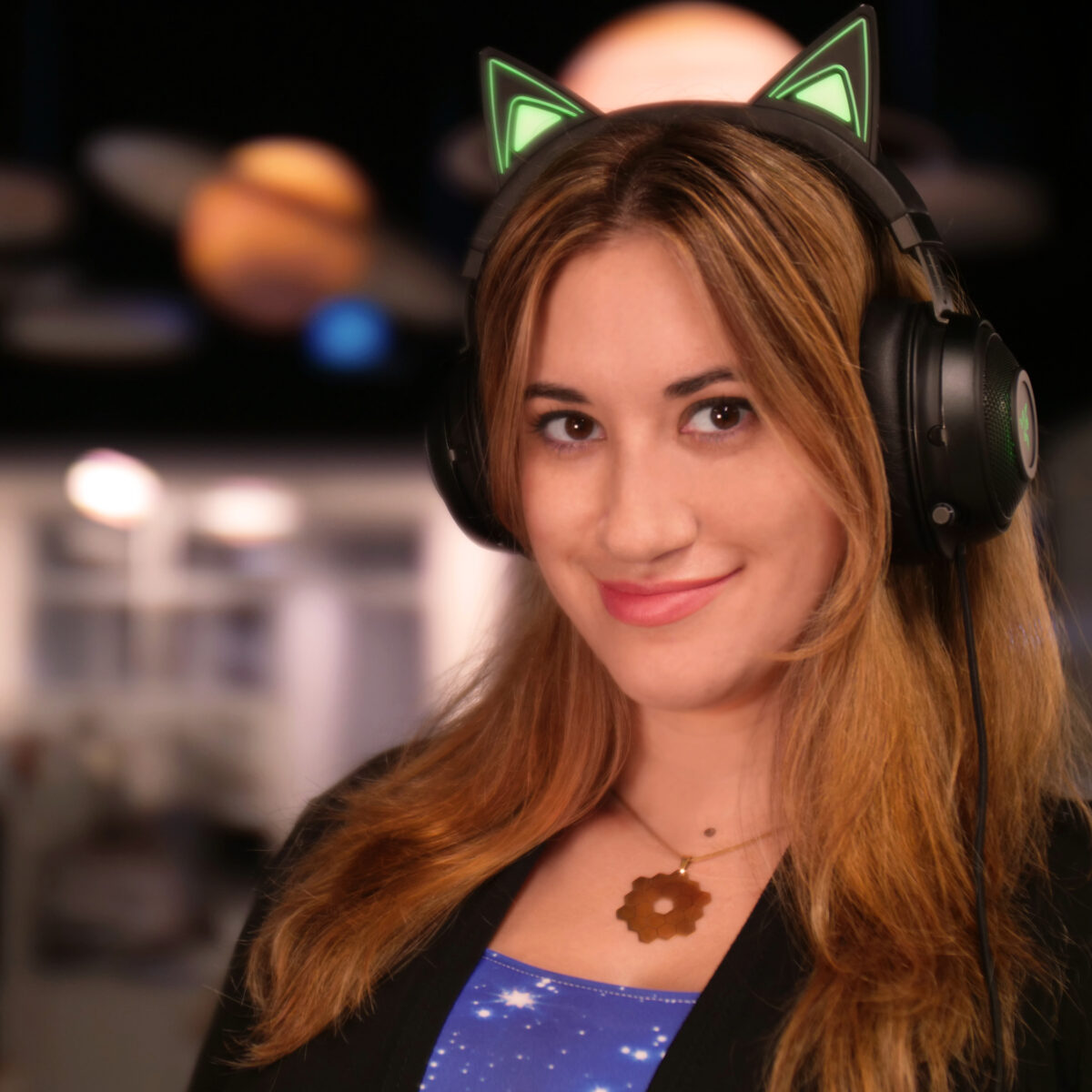
Sarah Al-Ahmed
Planetary Radio Host and Producer, The Planetary Society
+1-626-793-5100
Sarah Al-Ahmed’s childhood passion for science fiction and astronomy set her on a lifelong mission to share her love of space with the world. Now she is living her dream as the host and producer of Planetary Radio for The Planetary Society.
Sarah holds a Bachelor of Arts degree in astrophysics from the University of California at Berkeley. After some time as a data-taker for a supernova research team using instruments at Lick Observatory in Mt. Hamilton, California, she moved to Los Angeles to pursue a career in science communication. Sarah spent six years as a museum guide, writer, and show producer at the historic Griffith Observatory. She was a monthly contributor to Griffith Observer magazine and a content creator for All Space Considered, the observatory’s monthly astronomy news program.
Sarah joined The Planetary Society as Digital Community Manager in 2020, using her science communication skills to cultivate The Planetary Society's online communities. In 2023, she became the host and producer of Planetary Radio, The Planetary Society's weekly podcast and radio show. She continues to share the human adventure across our Solar System and beyond each week at planetary.org/radio.
Latest Articles
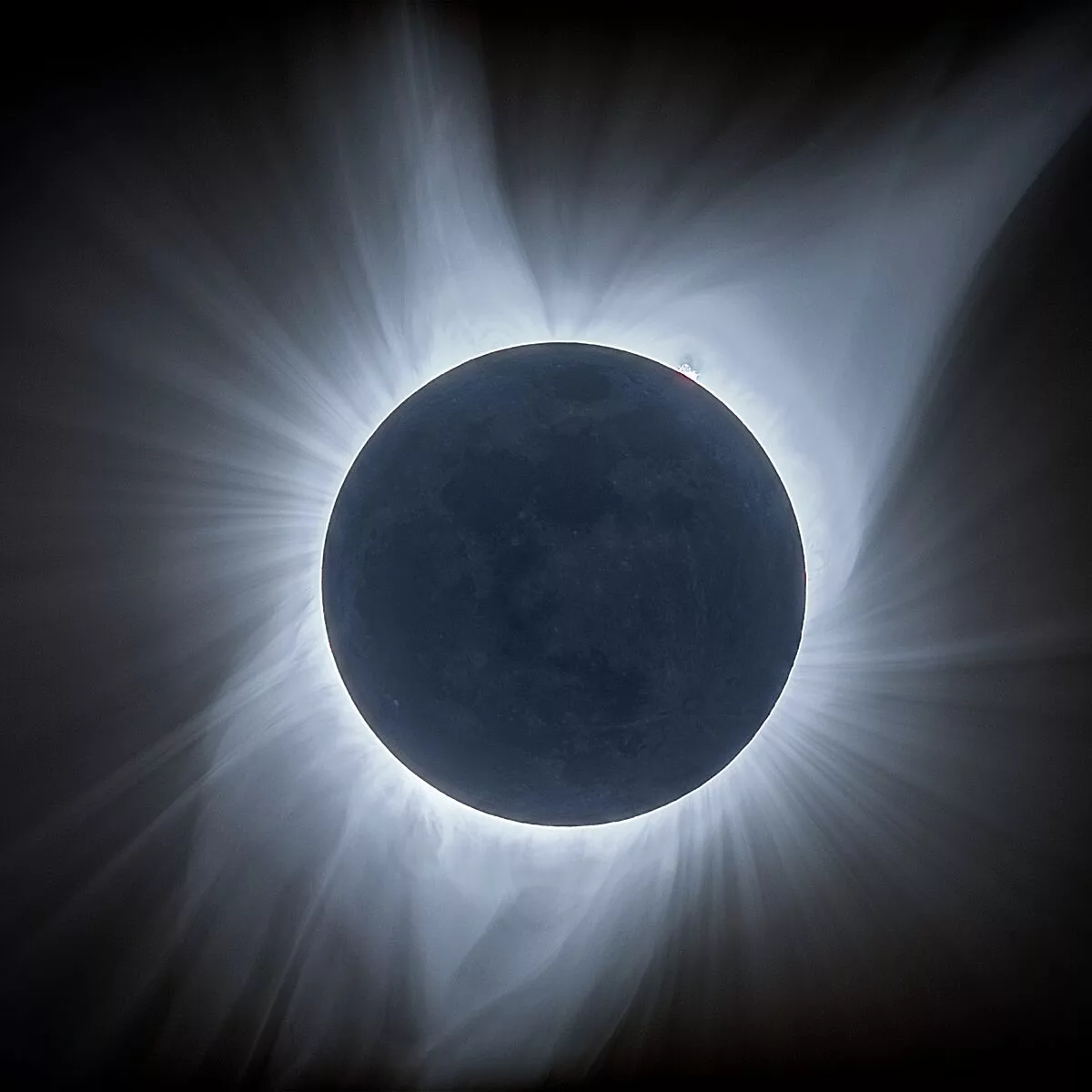
Bruce Betts and Sarah Al-Ahmed provided a guide to all total solar eclipses through the end of the 2020s, with dates and locations.
Latest Planetary Radio Appearances

More conversations from the 2026 NIAC Symposium, this time about the propulsion and life support breakthroughs that could carry us to the outer Solar System and keep us alive when we get there.

Researchers at the 2026 NIAC Symposium share their bold concepts for exploring the most inaccessible places in our Solar System, from the Moon's permanently shadowed craters to caves on Titan and inside lunar lava tubes.

NASA Chief Scientist for Small Body Exploration at Johnson Space Center, Paul Abell, takes us inside Hayabusa2's flyby of asteroid Torifune and the surprise discovery that it's a contact binary.