

 Explore Worlds
 Find Life
 Defend Earth


Planetary Radio Episodes
Since 2002, Planetary Radio has visited with a scientist, engineer, project manager, advocate, or writer who provides a unique perspective on the quest for knowledge about our Solar System and beyond. The full show archive is available for free.

6,000 job-seekers came to the new Long Beach, California home of Virgin Galactic’s LauncherOne rocket on a recent morning. We sit down with CEO George Whitesides for a conversation about this new effort and the return of SpaceShipTwo.

ARM is the Asteroid Redirect Mission, and sometimes it seems that it doesn’t have a friend in the world. But it does, and Jonathan Goff of Altius Space Machines is one.

The Beagle 2 Mars lander disappeared after it separated from the Mars Express orbiter on Christmas Day, 2003. Eleven years later, it has been found, partially-deployed on the Martian surface. Longtime Beagle 2 mission leader Mark Sims tells the story.

The Planetary Society has just announced that LightSail will be launched into orbit on its first test flight in May. We’ll talk with Project Manager Doug Stetson and embedded LightSail reporter Jason Davis about what to expect.

The Planetary Society’s experts look forward to a great year of firsts in the solar system and beyond.

Our annual review of the greatest events and accomplishments over the last year features analysis and commentary by Bill Nye the Science Guy, Emily Lakdawalla, Jason Davis, Casey Dreier and Bruce Betts, along with a special new year’s gift of Neil deGrasse Tyson.

Not just the air. Where is the water that was plentiful on the red planet billions of years ago? MAVEN may help answer these questions. Principal Investigator Bruce Jakosky reports on the early, exciting science data.

NASA’s Orion spacecraft has taken its first step toward Mars and an asteroid mission. The Planetary Society’s Jason Davis was at the Kennedy Space Center for the December 5 mission.
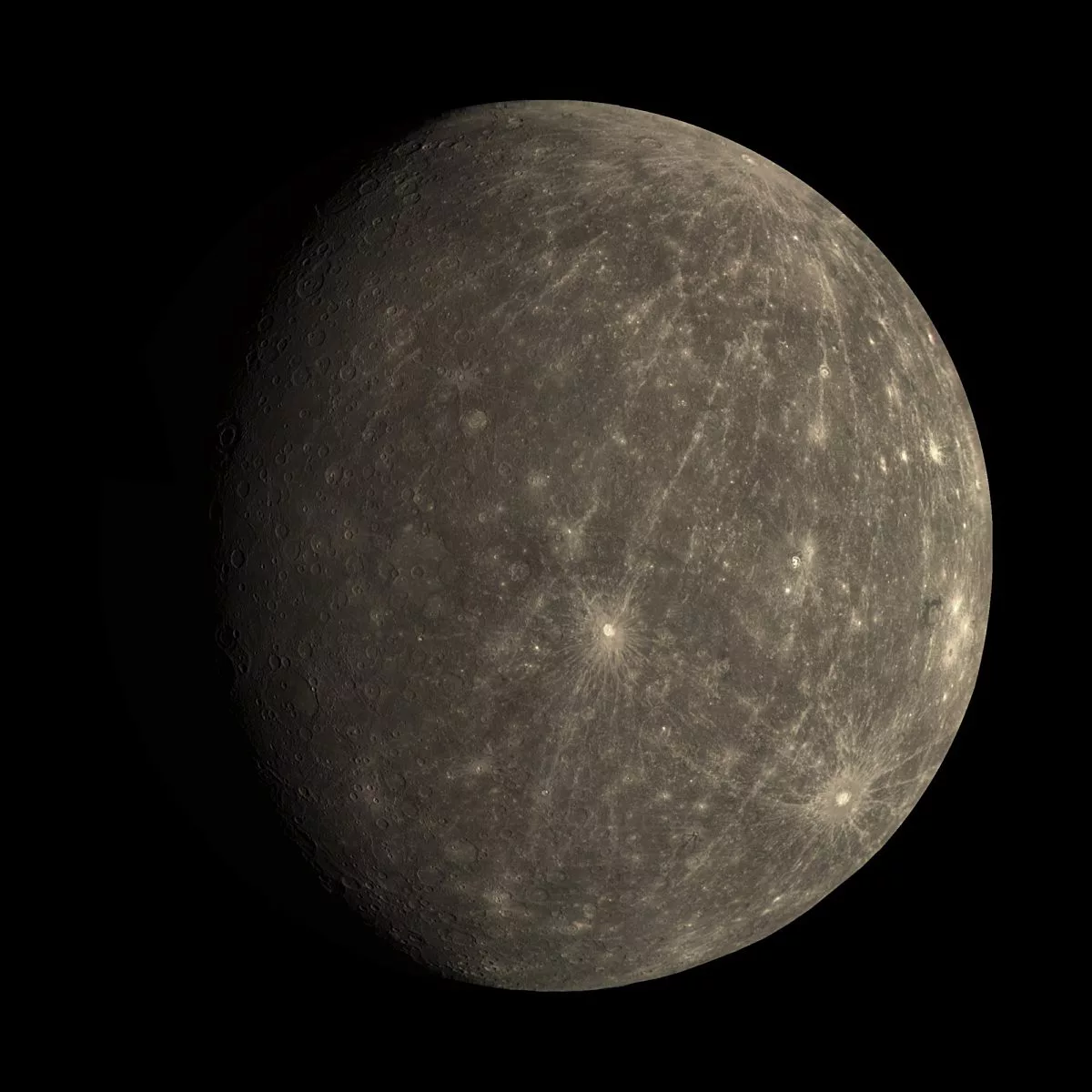
MESSENGER has been orbiting the innermost planet for more than three-and-half-years. Principal Investigator Sean Solomon returns with a status report as the mission enters its final phase.

The Chairman of the powerful Science, Space and Technology Committee in the U.S. House of Representatives joins us for a talk about planetary science, Europa, a human flyby of Mars and much more.
The latest guest of the Red Planet arrived in orbit on the evening of September 22, 2014. Planetary Radio Live was watching with fingers crossed in Pasadena, California.

Venus Express Project Scientist Håkan Svedhem tells us about the spacecraft’s harrowing descent into the Venusian atmosphere, what it is currently up to, and what he’d like to see next at that forbidding planet.

Kepler-186f is the very first exoplanet that is both the size of our own world and in the habitable zone surrounding its star. SETI Institute scientist Elisa Quintana is lead author of the paper announcing its existence.

The National Research Council released its long-awaited report June 4th. Distinguished space policy analyst John Logsdon returns to Planetary Radio with his take on this latest attempt to determine the proper role of humans in space.

Astronomers Without Borders Founder and President Mike Simmons and his colleagues share the passion, beauty and joy of the night sky from Argentina to Zambia.

Cassini Project Scientist Linda Spilker joins us at the first Starlight Festival in Big Bear Lake, California, and festival MC Andre Bormanis makes a bonus appearance on the show.

Planetary Radio visited Spacefest in Pasadena to talk with planetary scientist and space artist Dan Durda, Marc Rayman of the Dawn asteroid mission, and a guy who calls himself the Space Cowboy. We also eavesdrop on Apollo 17 Commander Gene Cernan and his lifelong fan, Griffith Observatory Curator Laura Danly.

Join the party as we celebrate the 53rd anniversary of humanity’s transition to spacefaring species with Yuri’s Night Executive Director Loretta Hidalgo Whitesides, Virgin Galactic CEO and Yuri’s Night co-founder George Whitesides, and astronaut Ron Garan, who heads Fragile Oasis.

You may have heard that the sometimes deadly Salmonella bacterium becomes stronger in microgravity. Cheryl Nickerson tell us about this and other results her team has conducted in low Earth orbit.

JPL’s Blaine Baggett and former JPL director Ed Stone talk “The Stuff of Dreams,” a documentary about an era in planetary exploration that was both exhilarating and exasperating. Emily Lakdawalla explains why Curiosity has joined the fraternity of backward driving rovers on Mars, and Bill Nye considers the not-too-distant future when airliners and spaceliners will share the sky.