

 Explore Worlds
 Find Life
 Defend Earth

All
All
 Sun
 Mercury
 Venus
 Earth
 Mars
 Jupiter
 Saturn
 Uranus
 Neptune
 Small Bodies
Stories, updates, insights, and original analysis from The Planetary Society.

Mars rover samples what could be one of the oldest rocks on the Martian surface
The Perseverance rover's "Singita" sample may be more than 3.9 billion years old.
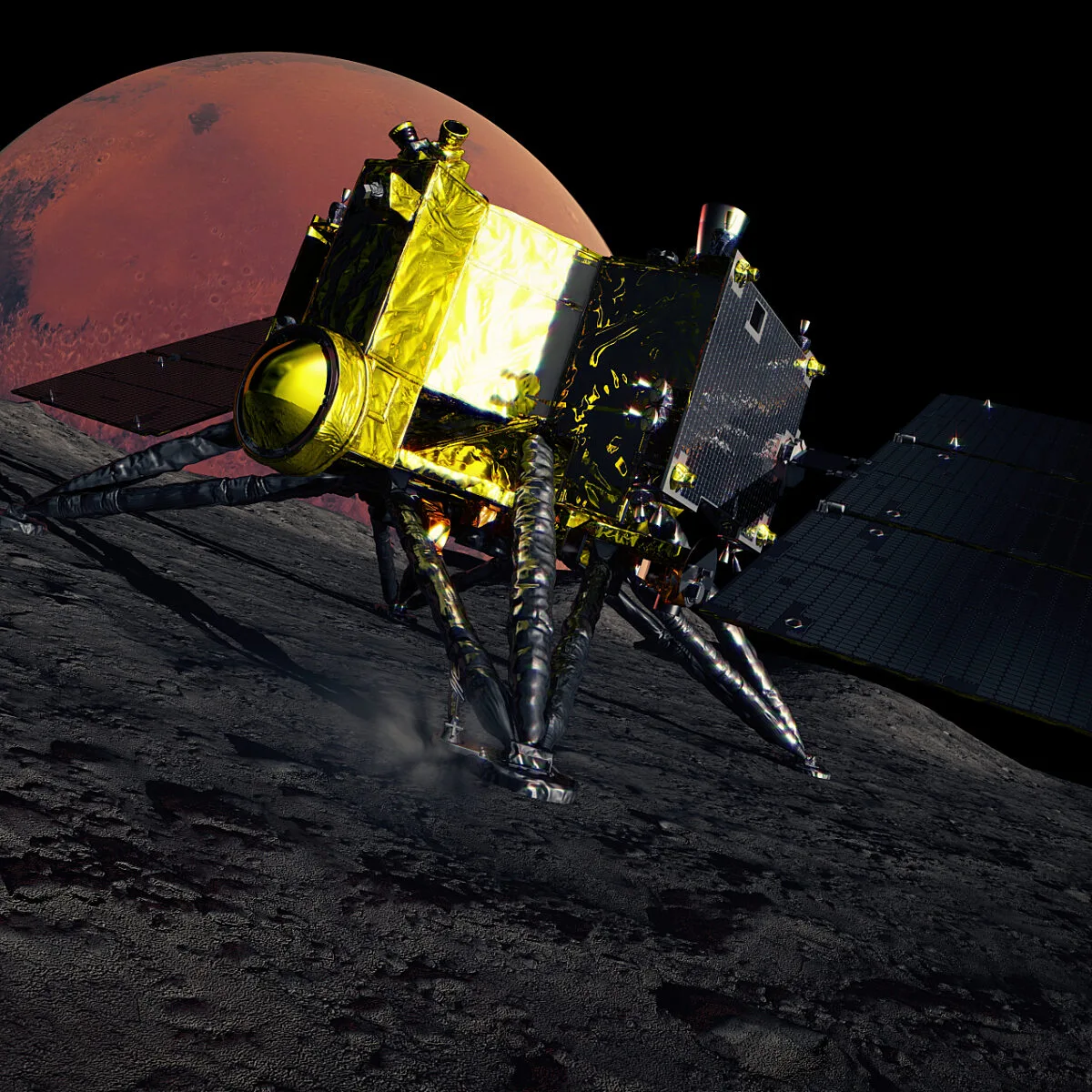
Mars moon mission set to launch with tech funded by Planetary Society on board
The first mission to land on a moon of Mars could launch as soon as Oct. 19, carrying with it a sample collection instrument that The Planetary Society helped develop.

A guide to sidewalk astronomy
Our top tips on hosting your own sidewalk astronomy event.

Announcing our new STEP Grant winners: A Solar System shadow-tracker, a new telescope tool, and an asteroid database
Three groups of scientists will receive crowdfunded support to further the scientific exploration of space.

SWAP, PEPSSI, and the secrets of the Solar System
NASA's New Horizons is poised to make discoveries about the farthest reaches of our Solar System, but two of its key instruments are in danger of being shut down prematurely.

Meet the next generation of Mars exploration
Countries around the world are planning missions to Mars, including rovers and a sample return from the moon Phobos.

What could the Artemis IV astronauts discover on the Moon?
NASA is already planning what the crew will do on their lunar landing mission.

The Space Advocate Newsletter, August 2026
The Sun shines brightly until it doesn't.

The best images from the 2026 solar eclipse
Our favorite images from the total solar eclipse that passed through Europe on Aug. 12, 2026.

The Cost of a PROMISE
NASA may send an engineering copy of a Mars rover to the Moon, but at what price?

Hayabusa2’s flyby of asteroid Torifune
On Sunday, July 5, the Japan Aerospace Exploration Agency (JAXA)'s Hayabusa2 probe performed a close flyby of the asteroid Torifune.

China’s Tianwen-2 mission has (probably) arrived at a quasi-moon of Earth
The probe aims to bring back a sample from the asteroid Kamo'oalewa.

Solstices, equinoxes, and seasons
How Earth’s tilted axis causes our seasons.

What would it be like to fly through Saturn’s rings?
Saturn’s rings are one of the most beautiful sights in the Solar System, but most of us have no idea what they look like up close.

How do things in space get their names?
From a lunar feature named after a loved one to a planet named after a god, traditions and rules guide how we name things in space.

'Ignition': A new series of NASA initiatives
On March 24, 2026, NASA leadership detailed new plans for the agency, involving lunar missions, Mars, and more.

Beyond the unknown: The coming Kuiper belt revolution
Discoveries about the worlds of the Kuiper belt could revolutionize our understanding of the Solar System and its ancient past.

Messengers of ice and time
Comets are ancient relics from the Solar System's formation that may have delivered water and the building blocks of life to early Earth.

How do you define a planet?
As our ability to study space has improved, our definitions of planets have evolved.

Why do some planets have rings and others don't?
The giant planets of our Solar System all have rings, as do some dwarf planets and even asteroids. So why don’t Mercury, Venus, Earth, or Mars?