

 Explore Worlds
 Find Life
 Defend Earth

All
All
 Sun
Sun Mercury
 Venus
Venus Earth
Earth Mars
Mars Jupiter
 Saturn
 Uranus
 Neptune
 Small Bodies
Stories, updates, insights, and original analysis from The Planetary Society.

Spring arrives to Vesta's north pole, as Dawn departs, plus a request for citizen scientists
Dawn's last images of Vesta peek into previously shadowy north polar territory. As the spacecraft leaves Vesta behind, its science team requests help from the public.

MAHLI sees Curiosity's wheels firmly on Martian ground
MAHLI opened its

A couple of gems from the archives
We're still working on migrating content from the old to the new website. This week, that means I am looking, one by one, through some great amateur-processed space images.

Hello, beautiful!
Curiosity's much-anticipated self-portrait with the MAHLI camera just arrived on Earth, and even though it was shot through the dust cover it is AWESOME.
Outcrop Ahead for Opportunity!
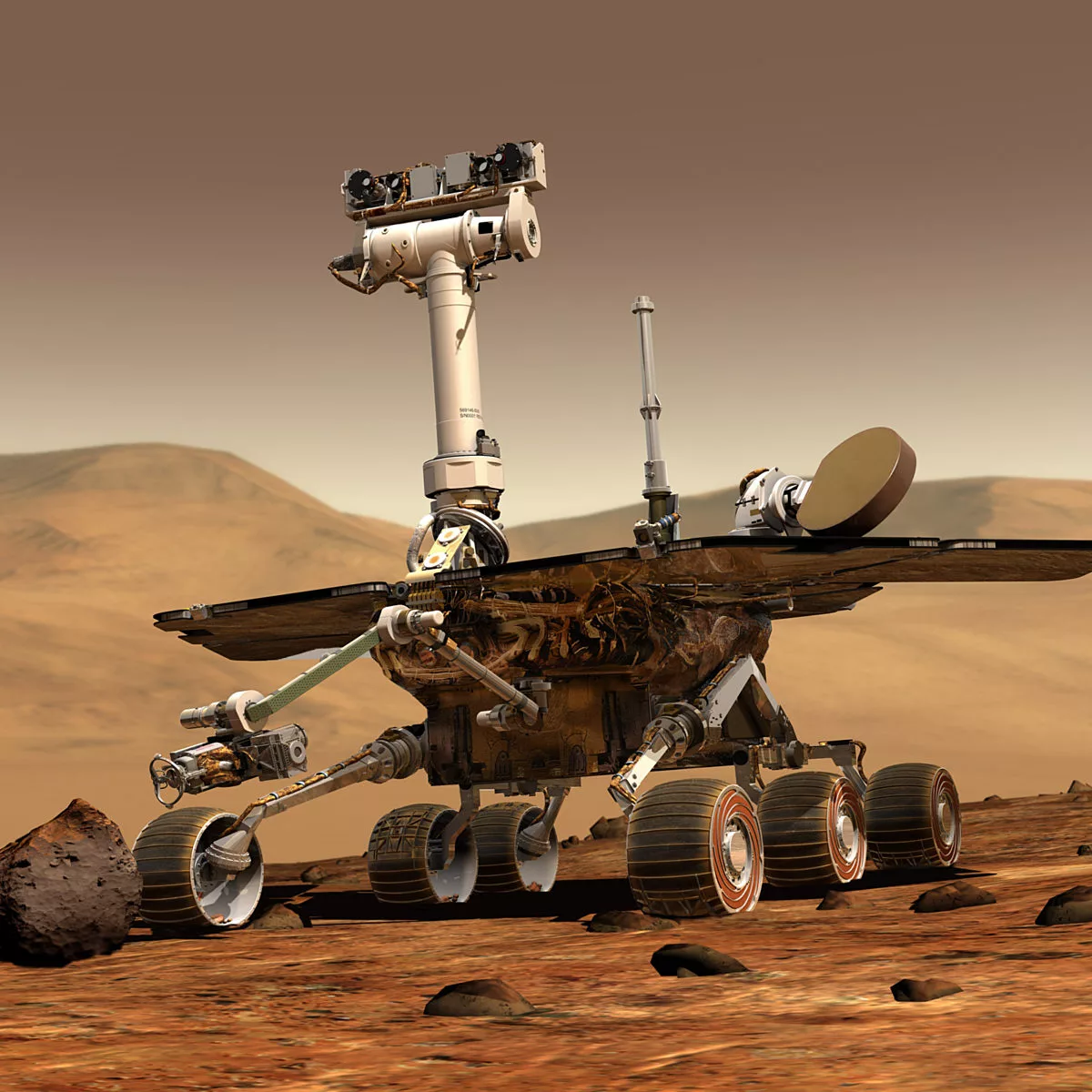
Oppy is opening an exciting new chapter in her adventure at Cape York. Having driven down to, over and past Whim Creek, she has now explored halfway down Cape York, to a promising fin-like ridge of dark rock.

Cure for the blues: processing images of a blue planet
I noticed today that I hadn't seen any amateur-processed versions of Voyager's departing shots of Uranus, so I decided to give it a try.

Checking in on Curiosity after sol 30
Curiosity completed the
Pretty picture: bizarre spherules
A wonderfully strange photo from Opportunity's exploration of Cape York, Endeavour Crater.

A Voyager 1 anniversary mosaic
Back in 1979 the twin Voyager 1 and 2 spacecraft flew by Jupiter. Some of their images were processed into color images and mosaics that have appeared countless times in books, magazines, on TV and on the Internet. Many of these images and mosaics are spectacular but they were processed more than 30 years ago using computers that are extremely primitive by today's standards. It's possible to get better results by processing the original, raw images from the Voyagers using modern computers and software.

Dawn Journal: Back to interplanetary space
After more than a year in orbit, Dawn has left Vesta, beginning the spacecraft's journey to Ceres.

Name That Asteroid!
OSIRIS-REx is will return a piece of the ancient asteroid 1999 RQ36, and it's up to you to come up with a name.

Following up the dark spot on Uranus
It was a surprise and delight to have our Icarus paper highlighted in Emily Lakdawalla's blog. Thanks for highlighting Uranus, since it has gotten, ahem, a bum rap over the years. Here's more about our discovery of the dark spot on Uranus.
HiRISE's best view of Curiosity yet
HiRISE's best opportunity to view Curiosity so far came 12 days after landing, when the orbiter passed nearly directly overhead. The photo resolves amazing detail on the huge rover.

A True Pioneer of the Science and Art of Flight
Although Neil Armstrong may have passed away, his name will be part of human history forever.

Chang'e 2: The Full Story
An update on China's second lunar orbiter, Chang'e 2, which is now heading for asteroid Toutatis.

Explaining the new black-and-white Mastcam and MARDI raw images
If you've been obsessively checking the Curiosity raw images websites for new pictures from Mars, you might have noticed something weird: a bunch of Mastcam images and a few from MARDI that are black-and-white instead of color, and which have a peculiar checkerboard pattern.

RBSP to explore decades-old radiation belt mysteries
NASA's Radiation Belt Storm Probes will shed new light on the Van Allen Radiation Belts, a dangerous region of space in our planet's backyard.

Manned Missions to Mars Aren't Just Sci-Fi
Space exploration is not just valuable to scientists; it is also popular with the public who pays taxes. And why not? The exploration of Mars is not only a search for signs of alien life. It is an exploration of the human future.

The definitive version of Curiosity's first color panorama
The top of the mountain has finally been filled in, and Damien Bouic has produced what I think is the definitive version of Curiosity's first color panorama.

Saturn's still there
A pretty picture of Cassini's current view of Saturn.