

 Explore Worlds
 Find Life
 Defend Earth


All
All
 Sun
Sun Mercury
 Venus
Venus Earth
Earth Mars
Mars Jupiter
 Saturn
 Uranus
 Neptune
 Small Bodies
Stories, updates, insights, and original analysis from The Planetary Society.

Exploring the XDF: The Hubble eXtreme Deep Field
The newly-released eXtreme Deep Field takes us even further back into the history of our universe than the Ultra Deep Field or UDF.

Citizen "Ice Hunters" help find a Neptune Trojan target for New Horizons
2011 HM102 is an L5 Neptune Trojan, trailing Neptune by approximately 60 degrees. This object was discovered in the search for a New Horizons post-Pluto encounter object in the Kuiper Belt.

Happy Cassini PDS Release Day!
It's a quarterly feast day for me: the day that the Cassini mission delivers three months' worth of data to NASA's Planetary Data System. Here's a few images processed from the October 1, 2012 data release.
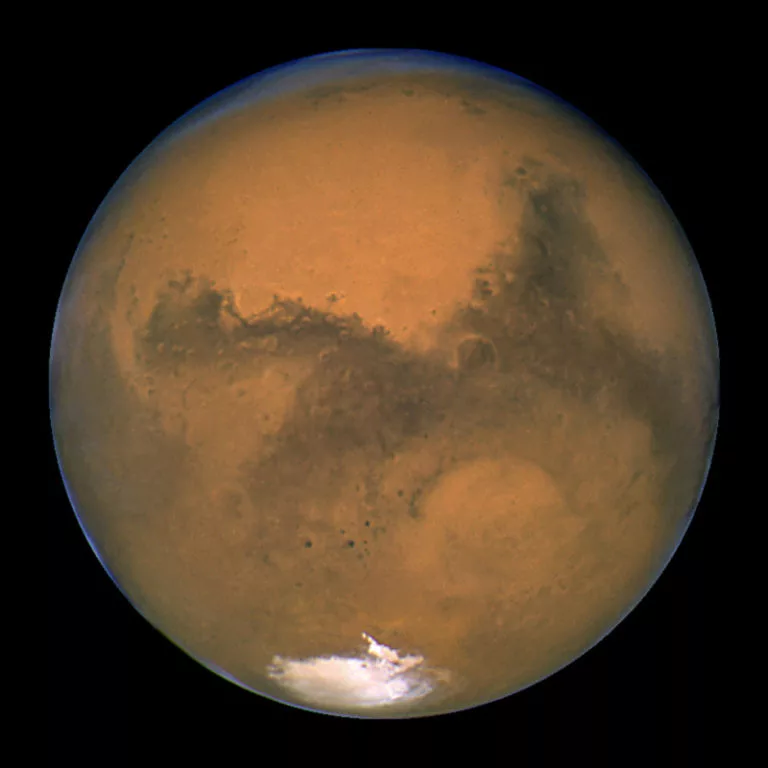
Mars Program Update from MEPAG
Bruce Betts reports on the status of the current and future Mars program and on acronyms from a meeting of NASA's MEPAG (Mars Exploration Analysis Program Analysis Group).

Deep Impact targets possible 2020 asteroid flyby
Yesterday, Deep Impact performed a trajectory correction maneuver, firing its thrusters to line up for a flyby seven years from now. Here's a preview of that encounter.
Curiosity Update, sol 57: Digging in at Rocknest
Engineers requested that Curiosity be driven to a

Curiosity catches sunspots along with Phobos and Deimos transits
Curiosity has been shooting photos of the Sun as Phobos and Deimos cross its face, and -- as far as I can tell -- captured sunspots as well.
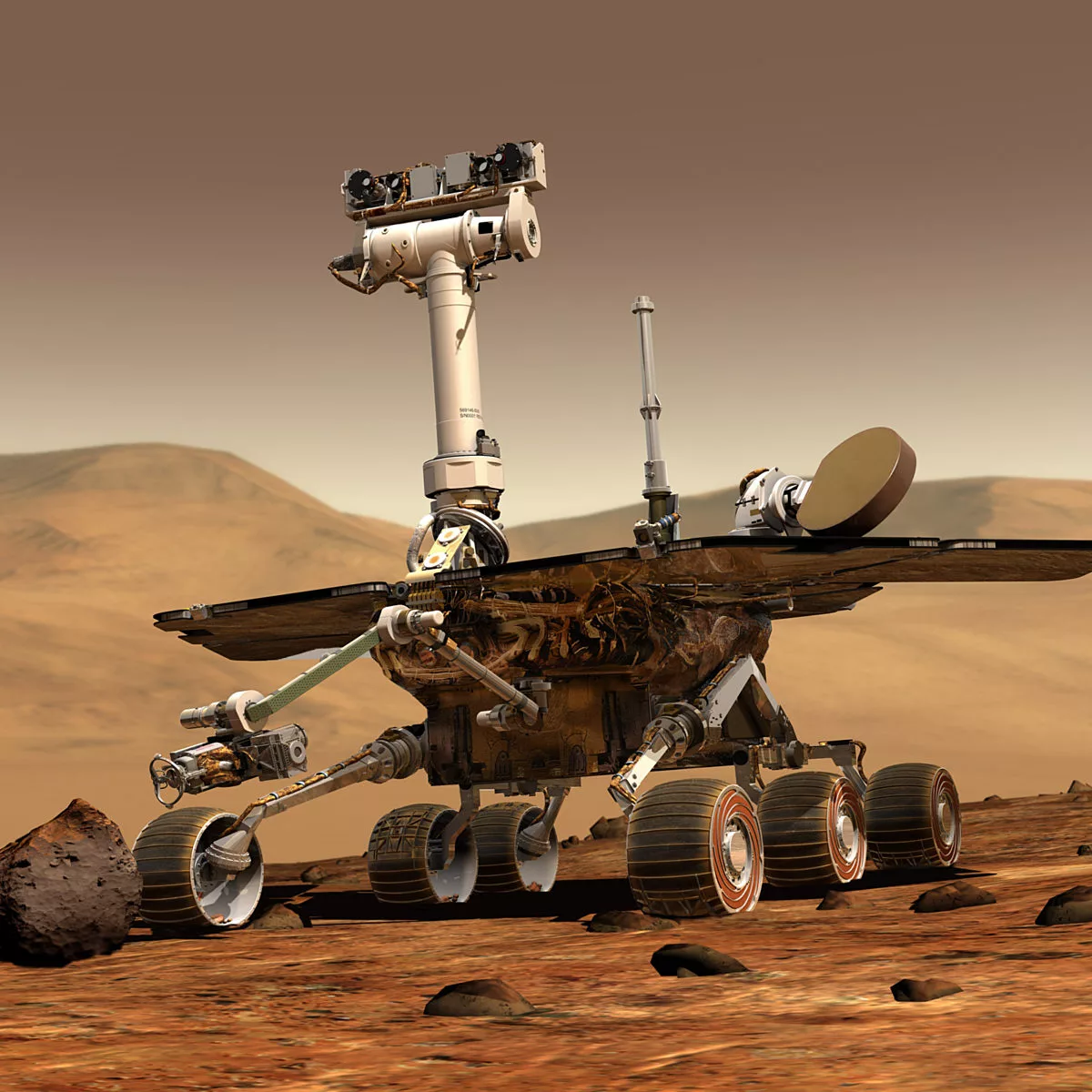
Mars Exploration Rovers Update: Opportunity Finds Thrill of Newberries on Matijevic Hill
On reconnaissance of Matijevic Hill, Opportunity has driven right into another Martian mystery, compete with new kinds of “berries,

Shoemaker NEO Winner Finds Close Fly By Asteroid
Gary Hug used his Shoemaker NEO grant provided camera to find 2012 SY49 which flew by Earth at about two lunar distances last week. The tens of meters wide asteroid is a low-probability possible Earth impactor in the future.

Sturzstroms on Saturn's Moon Iapetus
Long-runout landslides (sturzstroms) are found across the Solar System. They have been observed primarily on Earth and Mars, but also on Venus, and Jupiter’s moons Io and Callisto. I have just published a paper about sturzstroms on Iapetus.
Beautiful rocks ahead at Glenelg, but first, Curiosity must dig in the sand
A beautiful panoramic view of the varied rocks of Glenelg has been transmitted from Curiosity on Mars. But before going any further, it's time to run the first Martian sand through the soil sampling system.

Curiosity Update, Sol 52: Glenelg Ho!
Curiosity has pulled up to the edge of Glenelg, its first destination within Gale crater.

NASA's New Direction For Mars (Maybe)
The future of the Mars Exploration Program exists as multiple mission plans straining to exist in the brutal new cost cap from the FY13 budget, pushed far into the future.

An alien moon, photographed from the surface of an alien world
Curiosity has successfully photographed a crescent Phobos in a bright daylit Martian sky.
Cosmoquest Science Hour, Wednesday: A virtual field trip to the hills on Curiosity's horizon
I'm hosting this week's Cosmoquest Science Hour, and plan to take viewers on a virtual tour of those mountains on Curiosity's horizon, and show you where Curiosity is likely to go. Join me and Fraser Cain here at 1600 PDT / 2300 UTC Wednesday.

Comet ISON: 30% chance of awesome, 60% chance of that being wrong
A very interesting comet has recently been discovered -- interesting because it will nearly graze the Sun in August 2013 and then approach Earth closely the following December. Whether it will turn out to be a great comet is impossible to know.

Saving the World: Established 1997
The Planetary Society Shoemaker NEO grants celebrate their 15th anniversary of helping to find and track near Earth asteroids. Here's a quick review of the program, and updates on our four multiple-grant winners.

Pretty picture: rocks underfoot at Curiosity's landing site
An amateur-processed mosaic of some intriguing-looking broken rocks along Curiosity's traverse. They were intriguing enough to photograph with the Mastcam -- but not enough to stop and check them out, as Curiosity has already rolled on.

Pretty Picture: Eagle's Landing
Amateur image processor Tom Dahl's spectacularly high-resolution version of Buzz Aldrin's panoramic view of the Apollo 11 landing site.
What if the Senate had a hearing on Mars and no one came?
Today there was a Senate hearing on the future of Mars exploration, title