

 Explore Worlds
 Find Life
 Defend Earth


Planetary Radio • May 06, 2026
Day of Action 2026: Rejoining the fight to save NASA science
On This Episode
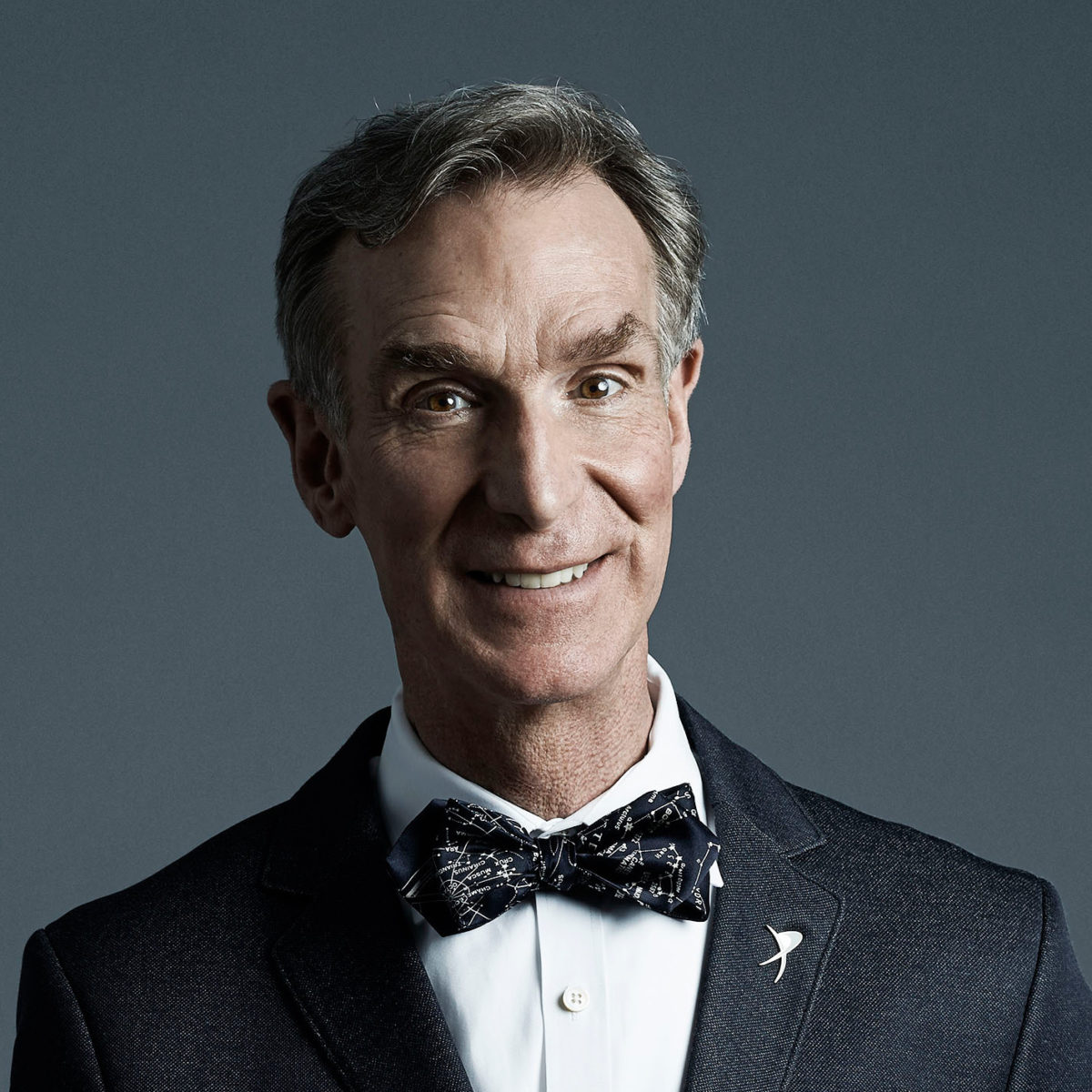
Bill Nye
Chief Ambassador and Vice Chairman for The Planetary Society

Jenn Vaughn
Chief Executive Officer for The Planetary Society

Michael L. Wong
Postdoctoral Fellow, Planetary Science and Astrobiology, Carnegie Science Earth & Planets Laboratory
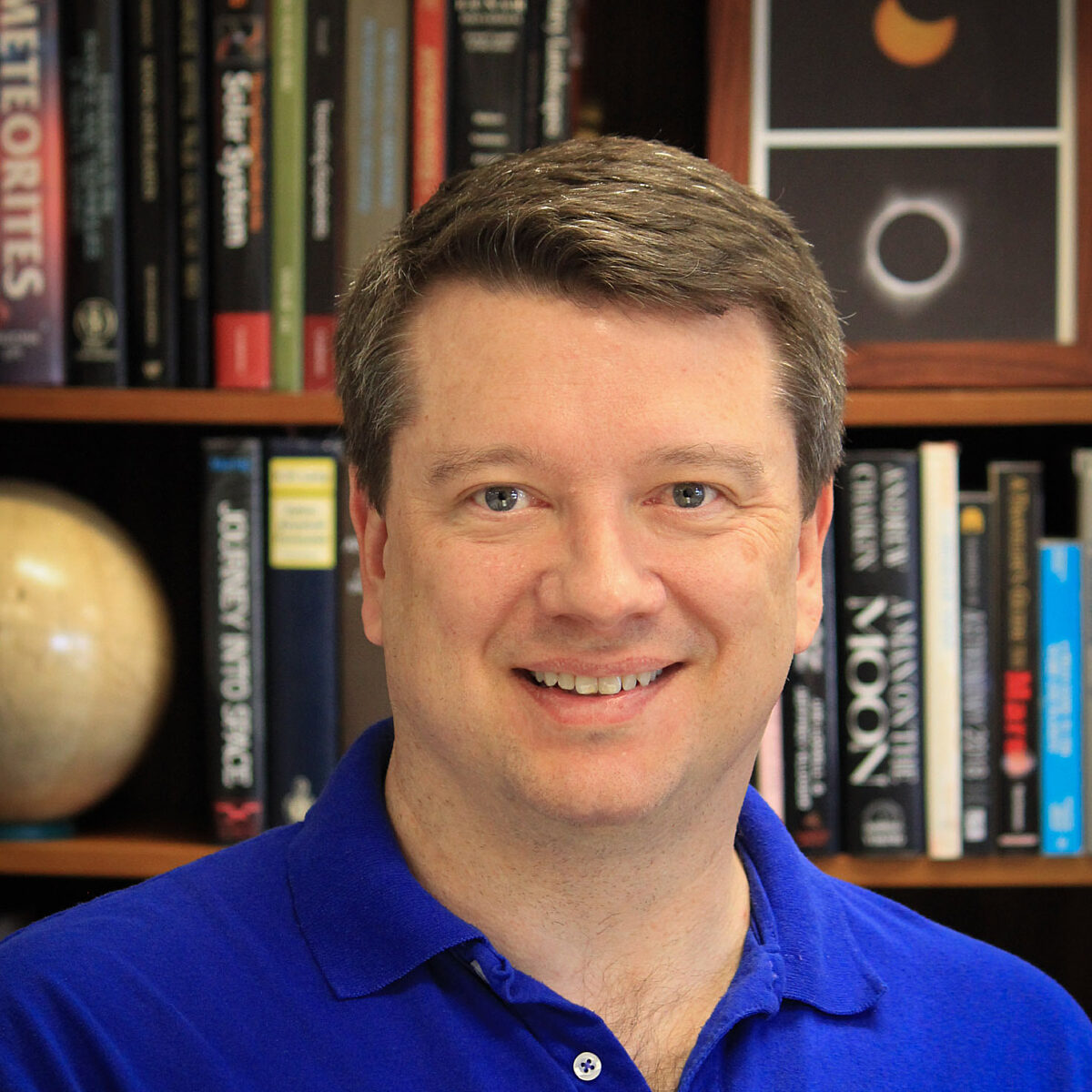
Bruce Betts
Chief Scientist / LightSail Program Manager for The Planetary Society
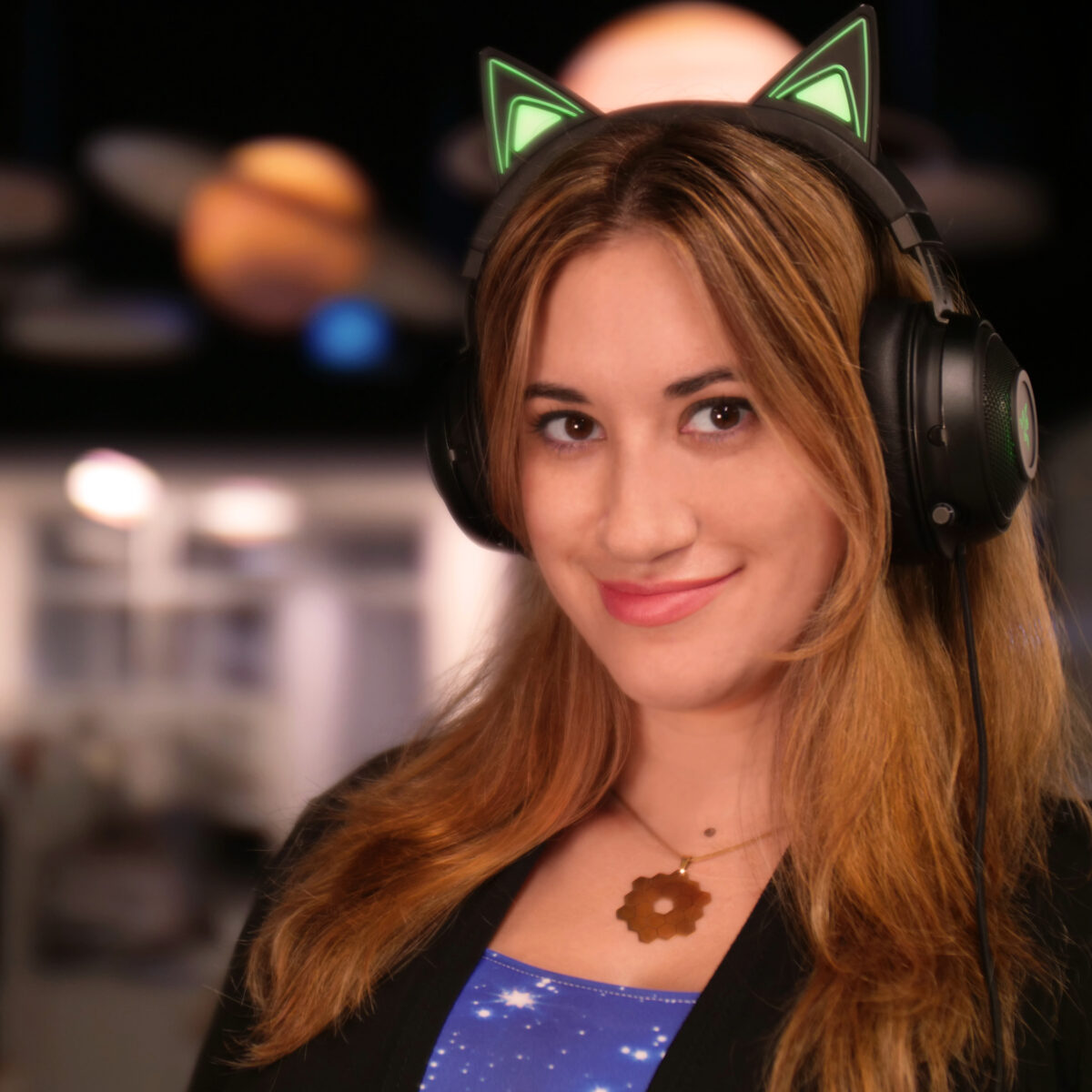
Sarah Al-Ahmed
Planetary Radio Host and Producer for The Planetary Society
Also in this episode:
- David Johnson, Charter Member and Advocate, The Planetary Society
- Philip Shane, Charter Member and Advocate, The Planetary Society; Host, What the If Podcast
- Gabe Segarra, Healthcare Researcher and Human Factors Scientist
- Jason Cerundolo, CEO, Colossus Computing
- Alex Swehla, CTO, Colossus Computing
Every year, members of The Planetary Society travel to Washington, D.C., to make their voices heard on Capitol Hill. This year, just days after the Artemis II crew splashed down off the coast of San Diego, the Presidential Budget Request dropped once more, proposing a 46% cut to NASA's science budget.
Planetary Radio host Sarah Al-Ahmed was on the ground capturing the passion, the preparation, and the people behind one of the largest Days of Action in the Planetary Society's history. In this episode, we hear from Bill Nye, Planetary Society chief ambassador. Sarah speaks with Planetary Society CEO Jenn Vaughn, charter members and advocates David Johnson and Philip Shane, healthcare researcher and human factors scientist Gabe Segarra, astrobiologist and postdoctoral fellow at Carnegie Science Earth & Planets Laboratory Michael Wong, and Colossus Computing CEO Jason Cerundolo and CTO Alex Swehla.
Plus, Chief Scientist Bruce Betts joins us for What's Up, where we discuss the missions at stake if NASA's science budget is cut.

Related Links
- Save NASA Science returns to Capitol Hill
- Days after Artemis II, scientists warn of deep cuts to NASA missions
- The FY 2027 NASA budget request
- 84 NASA missions at risk under new proposal
- What is the skinny budget and what does it mean for NASA?
- Buy a Planetary Radio T-Shirt
- The Planetary Society shop
- The Night Sky
- The Downlink
Transcript
Sarah Al-Ahmed: It's time to save NASA science again. We'll take you inside The Planetary Society's Day of Action this week on Planetary Radio. I'm Sarah Al-Ahmed of The Planetary Society, with more of the human adventure across our solar system and beyond. Every year, Planetary Society members from the United States travel to Washington DC to make the case for funding the scientific exploration of space in the US Congress. This week, we hear from Jenn Vaughn, CEO of The Planetary Society, on her first Day of Action in her new role. Then we hear from David Johnson, a charter member of The Planetary Society making his very first trip to Capitol Hill after 46 years of membership. We'll meet Gabe Segarra, a healthcare researcher and human factors scientist. Then Michael Wong, planetary scientist and astrobiologist at Carnegie Science. Later at the after party, I caught up with Jason Cerundolo and Alex Swehla.
And we'll close out with Philip Shane, an eight-year Day of Action veteran who's been watching this movement grow from a handful of people to one of the largest advocacy events in our organization's history. Then Bruce Betts, our chief scientist, joins us for What's Up, where we'll talk about the specific missions that we're fighting to save. If you love Planetary Radio and want to stay informed by the latest space discoveries, make sure you hit that subscribe button on your favorite podcasting platform. By subscribing, you'll never miss an episode filled with new and awe inspiring ways to know the cosmos and our place within it.
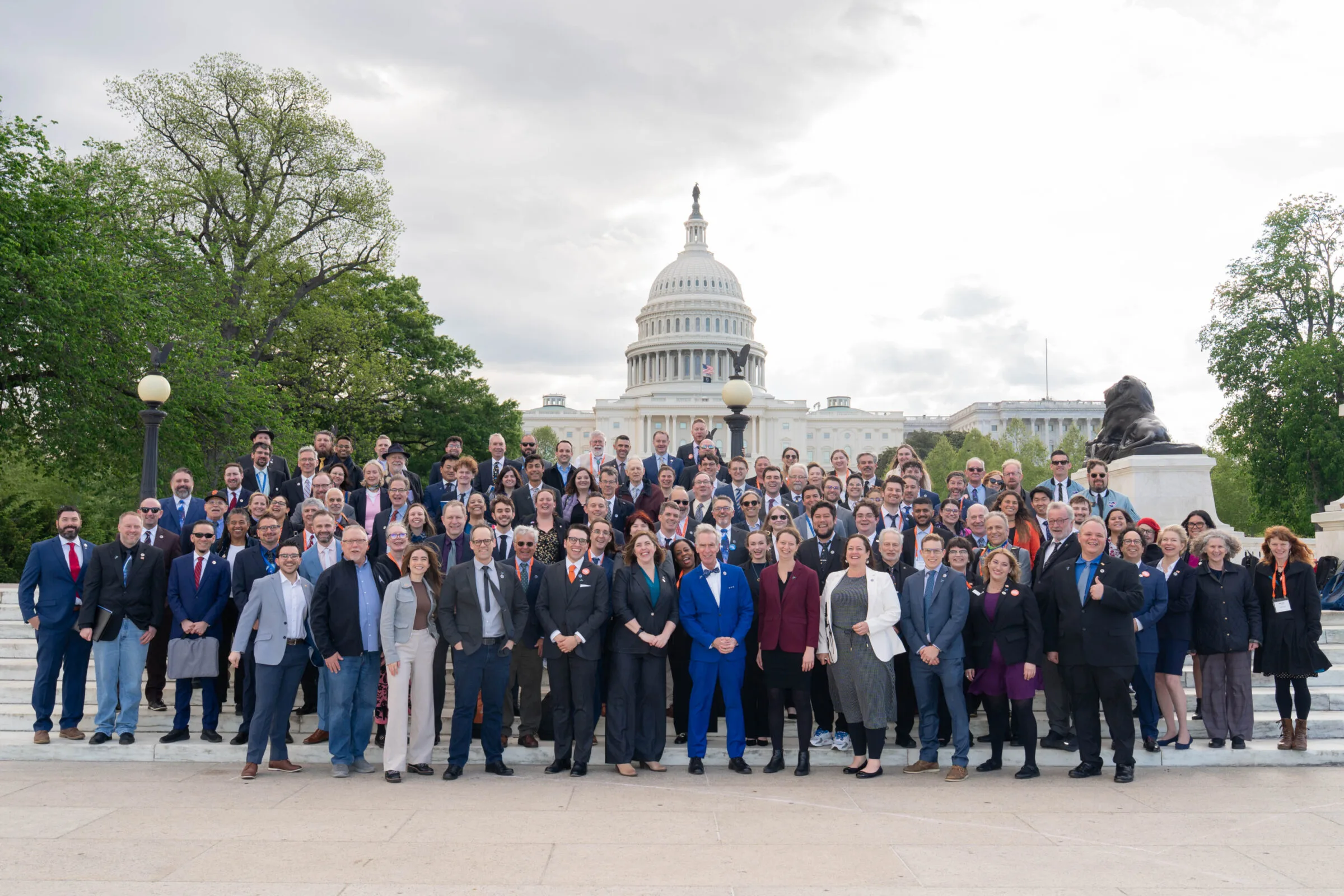
On April 20th, 2026, more than 130 space advocates from 34 US states and the District of Columbia came together in the US Capitol for The Planetary Society's Day of Action. It's our annual event where members travel to Washington DC on their own time and at their own expense, to walk the halls of the US Congress and champion NASA science directly to their elected officials. Over the course of that single day, they held 280 meetings with House and Senate offices to deliver one message, save NASA science again. NASA is the world's largest and most ambitious space agency. For over 60 years, it's led humanity's exploration of the solar system and beyond in partnership with space agencies and scientists from nations all around the world. When NASA thrives, we all benefit. And when NASA's cut, the damage doesn't stop at the borders of the United States. This year, the stakes are very high.
The White House's presidential budget request has once more proposed a 46% cut to NASA science, putting 84 missions at risk, along with thousands of jobs and 15 active international partnerships with agencies, including the European Space Agency and the Japanese Aerospace Exploration Agency. And if all of this sounds familiar, that's because Congress rejected a nearly identical proposal just months ago. Another interesting thing to note is that our Day of Action was held just 11 days after the Artemis II crew splashed down after flying around the far side of the moon. It was the first time humanity had traveled that far from earth in over 50 years. Before the day's meetings began, everyone assembled for our annual group photo, where our chief ambassador and former CEO, Bill Nye, greeted everyone.
Bill Nye: First time. Oh, wow. A handful, that was great, to show your passion. Working together, we can, dare I say it, change the world.
Day of Action attendees: Save NASA Science, save NASA Science, save NASA Science, save NASA Science.
Sarah Al-Ahmed: As everyone headed off to begin their meetings on Capitol Hill, I caught up with Jenn Vaughn, The Planetary Society's new CEO. We went back to the DC office, which is a space that we spun up just last year. It was born directly out of the fight to save NASA Science and our efforts to rally other science organizations to the cause. This was Jenn's first Day of Action in her new role as CEO, and she was feeling both the weight and the excitement of the moment. Hey, Jenn, big day.
Jennifer Vaughn: Such a big day. I am always thrilled to be here at the Day of Action because there's nothing more empowering than seeing our members come together and fight for what we all believe in. Now, this year, maybe it's a little bit different because I have a slightly different role here and I'm so proud. I feel so proud to be involved with this organization, to be working with this incredible set of people that are out there, fighting for the future of NASA Science. It's such an honor and a privilege to be here in this moment, in this role. So thank you everyone for supporting this moment with Saving NASA Science.
Sarah Al-Ahmed: Well, we had a really cool day yesterday at the training, seeing all the advocates come together. I hear about half of them are new, this is their first Day of Action.
Jennifer Vaughn: Yeah. Well, what's funny is half are new and half aren't new. Both of those are extraordinary. The new people, I think, feel very supported by those, the veterans who are already here helping them through the process. And our training session is so thorough and so supportive and empowering. So the ones I've talked to so far seem to be just really excited about the day ahead and the role that they get to play, the power that everyone holds in this moment to be able to stand up for space and say, "We want more of it." And it's also, as I was saying to many of them, the excitement about being able to hold ideals in our mind, that we have the very unique privilege of being able to say we're fighting for truly what we believe in and there's no other ulterior motive at play. This is just what we believe that humanity deserves.
Sarah Al-Ahmed: I think too, that having this Day of Action literally just a couple weeks after watching those Artemis II astronauts splash down is a really interesting kind of juxtaposition, right? And I think we have all these passionate advocates that are with us, but also, this is a moment when the public all around the world is engaged in this moment of exploration. Do you think that's going to give us extra cred as we go into Congress today?
Jennifer Vaughn: Yeah, extra cred, but also there's just a sense of whiplash. It's so confusing to have a moment that went so perfectly with Artemis and the unity that I think so many Americans and people around the world felt. The sense that humanity was venturing out farther than ever before and it was done so well. And then two days later, the result was this horrible budget for NASA, especially NASA Science at a time when the administrator and others are really saying that it's time to focus on science and exploration working together. The administration's response was to gut NASA Science by 50%. Makes no sense. So I think it's very powerful in this moment to say, "Look what we're able to do and then look what this budget is limiting us to do."
Sarah Al-Ahmed: Well, I think we're all going to have a really exciting day. Last year when they proposed a very similar budget cut, probably because I never experienced anything like that and no one really had, this attempt to cut that budget at that level is just unheard of. But now after seeing what we've done over the last year, the fact that we actually managed to turn Congress around, going into this, I feel completely different about it. I feel not like this isn't going to be a difficult moment and we aren't going to have to fight for this, but I feel like this is actually something that we're going to accomplish. How are you feeling about it?
Jennifer Vaughn: Well, I think that's very well said and reflects my own feelings, too. Last year was a blow and we went into full crisis mode and we did extreme good in that process. And we know that, we know we really helped turn the tide. And so this time it's still a blow and it still is, as I said, whiplash. It's just a stunning surprise that this is still the answer from the administration. But we do feel optimism because we have all this momentum behind us. The Congress just rejected these cuts, and so why wouldn't they be rejecting them again?
It's only been a couple months since they did it last time. So we think it's all going to happen again, but what a waste of everyone's time. This budget is lazy, is one of the things that we've been noting, is it was just a copy paste from the previous budget. It wasn't thoughtful at all. So we really need people thinking about the priorities at NASA, the possibilities of NASA, and we need the funding behind it so we can do our best work.
Sarah Al-Ahmed: With 280 meetings to get through in a single day, our advocates were moving very fast. But in between their visits to congressional offices, many of them made their way to our break room in the Canon House office building. We always like to set that up so that people have a chance to rest their feet and catch their breath. That's where I met David Johnson. He's a charter member of The Planetary Society, one of our very first members, and this was his first trip to Capitol Hill. Hey, David, what has been your experience like here today?
David Johnson: Well, it's fantastic, it's my first time. I am a charter member with The Planetary Society, I am an Apollo era teenager. And when Lou Freeman, Bruce Murray and Carl Sagan started this, I joined as a charter member, and it's taken me 46 years to get out here to my first Day of Action, and it's tremendous. I'm meeting representatives and their staffs, and it's fun talking space and encouraging a continued and increased funding for NASA. My previous experience with The Planetary Society was, the biggest event was the Spirit Landing in Mars in 2004. January, what a way to start the year. Planetary Society Event at the Pasadena Civic Auditorium with tremendous guest speakers and NASA TV broadcasting the event.
The thrill and the excitement of the room, tremendous. But now we're going to see if we can do as well here in Washington, DC. Other than that, one of the Planetary Fests also in Pasadena in 2012. And my biggest trip so far was to the Texas Eclipse event with The Planetary Society on a farm in the field in Texas in April of 2004, '24 rather. And that was a great thrill, too. I continued it by going to Houston and the Johnson Space Center tour. So I am very adventuresome and very excited to be associated with The Planetary Society for so long and finally making my first Day of Action.
Sarah Al-Ahmed: Being someone who saw the Apollo launches when you were younger, what are you feeling now that we've just been through this beautiful moment in history with the Artemis II launch and having that juxtaposition with this budget dropping in the middle of that event?
David Johnson: Fortunately, the Human Space program is so popular, so influential that it is not under the gun, but the Science program for NASA is. That's where the cuts are and that's what we're here for to reinstate. And we're getting a lot of support from the Congress already, and we want to see it through to them reinstating the budget and then increasing it for science. Artemis was another great shot for publicity and the public enjoyment and enthusiasm for space, for the human adventure and space. And we hope to continue that because when the humans are in space, they are doing science. And that's what we need to support and that's what The Planetary Society is doing. Thank you.
Sarah Al-Ahmed: I also met up with Gabe Segarra. He's a healthcare researcher from Charleston, South Carolina, who studies how humans interact with complex systems.
Gabe Segarra: Hi, my name is Gabe Segarra. I'm a healthcare researcher out of Charleston, South Carolina, and I study what is called Human Factors. So we study complex systems and how humans interact with them.
Sarah Al-Ahmed: There is so much research going on right now. I've been learning so much about human health and how that relates to space. How has that touched your life and your work?
Gabe Segarra: Human Factors came out of aerospace. Back in World War II, they realized that a lot of planes made it back without... They'd get shot full of holes, but they'd still make it back. So there was a lot of thinking about, "How can we make resilient systems?" And humans interacting with technology is a big part of human factors and what we do in healthcare with AI and everything coming out of that. It's a big deal now. How is that affecting decision-making and keeping people safe? Keeping patients safe, keeping workers safe is a lot of what I think about. But NASA does that, too. NASA has Human Factors professionals, they work with the agency to develop spacecraft and control systems and communications. Just, they look for ways to keep things safe and efficient and effective as possible.
Sarah Al-Ahmed: I feel like the connection between human health and the science coming out of NASA is very misunderstood by the public. What would you say to people who don't understand what that kind of research is doing for people who are down here on earth?
Gabe Segarra: NASA Science benefits everyone. There's a lot of technologies that have come out of NASA Science that have benefited everyday people or that have been popularized by the space program. One of my favorite examples is Velcro. I've got Velcro on my bag right now. And when I'm here today at the Day of Action, walking into peoples' offices, I can point out, "Hey, this technology gets used up in space. In zero gravity, you can use Velcro to hold things and keep them from floating away." So as far as healthcare goes, I know the Artemis II mission just happened and the Artemis crew are already studying a lot about how did they physiologically respond to space? How does the human body, how is it affected by space? But taking a lot of the experiments that happen in the International Space Station, you can do things in zero gravity scientifically that you can't do down here on earth. And so understanding that can give us a lot of new innovation opportunities in the future.
Sarah Al-Ahmed: What initially drew you to coming to the Day of Action?
Gabe Segarra: I'm very passionate about space science, I've always thought NASA was awesome. My favorite space shuttle is Discovery. I actually got to go see it, so that was kind of cool. But growing up, my dad had a scrapbook of all the space missions from the 1960s, 1970s. I used to look through it as a kid and think, "Wow, why aren't we doing that still?" So this is my second Day of Action. It's great to have these conversations now with everything that's happening in the successful Artemis II mission, because in the past it was when we send our astronauts to the moon, now it's, we are sending our astronauts to the moon and we need that NASA science to support human exploration. And so you can't have one without the other.
Sarah Al-Ahmed: We've heard a lot of really ambitious plans, both out of the administration, but also out of the new NASA Administrator, Jared Isaacman. What would you say to the people here in Congress who are trying to grapple with both those goals? But this idea of cutting funding to NASA, how does that shoot both these missions, but also the human science in the foot as we're trying to do this?
Gabe Segarra: Sooner or later, we may have to leave planet earth, right? I mean, yes, that's in the distant future, we hope, but we may need to figure that out one day. NASA Science just offers opportunities for innovation that are not possible anywhere else. The science that NASA does is groundbreaking in ways that the world has literally never seen. They give a lot of opportunities to early career professionals. They inspire a lot of people. You can't put a price tag on inspiring people. I mean, when a little kid sees a rocket launch, they just go, "I want to do that," or, "I want to help with that." And it changes the equation for why someone goes into STEM and it inspires people. And there's so many things to talk about, really. It's almost impossible to think of all of them. But the opportunities that are offered to industry and the fact that NASA, Jared Isaacman seems to have signaled that he wants to change direction a little bit and say, "Let's involve industry more." And I think personally, that's the right move because the amount of innovation that's going to happen as a result of that really worldwide is unprecedented, in my opinion.
Sarah Al-Ahmed: When you came to the Day of Action last year, was it for the one in the spring or for our Day of Action to save NASA science later in the fall?
Gabe Segarra: It was for our October Day of Action to save NASA Science. I was really excited by everything that I saw just coming here for the first time. I never realized that I could walk the halls of Congress and just walk in and talk about something that mattered to me. And so The Planetary Society does a great job of setting all of that up for newcomers. They'll set up all your meetings, they'll tell you exactly who you need to talk to, exactly where you need to go. They'll help you do it. They never send you an alone, everyone goes with a group. So I was lucky to go with someone a lot more experienced than me and we prepared very well and I think we got the message across because we saved NASA Science last time, and I think we can do it this time, too.
Sarah Al-Ahmed: What would you say are some of your favorite moments from your day to day, walking around Congress?
Gabe Segarra: I think my favorite today is, we were paired with some individuals. They create replicas of old NASA outfits and equipment. And so we got to go around with them. They were kind of decked out in their awesome NASA flight jackets. And so everywhere we went, it felt like having a NASA escort. Everyone kept asking, "Oh, do they work?" They don't work for NASA, but they are contracted with NASA to, they created the Artemis hats that they wore when they splashed down. So it's really cool, you never know who you can meet, and everyone seems to know an astronaut.
Sarah Al-Ahmed: Especially in this day and age when there are more ways to get to space, space is becoming more accessible through all of these commercial space flights. Even our NASA administrator has been to space now because of it. So I feel like maybe it's because I work in the space field, but I've been meeting so many more people who have had this experience.
Gabe Segarra: I do think that more people going to space would help everyone to understand why taking care of the earth is so important. And through NASA science, understanding our home planet, understanding ourselves, you can do so much of that through NASA Science.
Sarah Al-Ahmed: But if we're going to do that, we need to focus on learning more about human health in space, so I'm really glad that there are more people that are doing this kind of work. And whether or not you're working in the space field, working in human health and then coming to events like this and advocating for that kind of work is really important to our future, so I really appreciate you being here.
Gabe Segarra: Thank you. And I'll just say personally, in the healthcare field, we've been dealing with a lot of similar cuts to what's happening to NASA right now. And so to me, it's very important. That's one of many reasons I'm very passionate about being here, is I've personally experienced some of the difficulties that these cuts to science are creating in America. And so when I see a similar thing happening to NASA science, I just think, "Nope, not going to let that happen either."
Sarah Al-Ahmed: Another advocate I spoke with that day was Michael Wong, an astrobiologist at Carnegie Science on his third Day of Action.
Michael Wong: I'm Michael Wong. I am a planetary scientist and astrobiologist at Carnegie Science, and I'm here at my third Day of Action with The Planetary Society. I'm really interested in how to best look for life in the universe, designing new techniques and technologies for next generation astrobiology missions that NASA will launch into the solar system, fingers, crossed if funding happens.
Sarah Al-Ahmed: Well, I mean, that's why we're here, right? And you've been here three years now. How does this Day of Action feel in the context of your previous times being here?
Michael Wong: Well, yeah. The success of last year, rebuking the President's proposed budget and making sure that NASA is pretty much fully funded was a real high for me. And to come back and try to do it again is just such an honor. And I think we're on the right track because I've gotten a lot of positive responses from the lawmakers and their staffers. The March one from last year got me hooked. Between that one and the October one, I did AGU, the American Geophysical Union's Day of Action, and then came back for October 2025 and did the Save NASA Science campaign.
Sarah Al-Ahmed: Thank you so much for taking all the time to do that amount of advocacy. I feel like once you get into it, it feels so rewarding that I just can't stop coming back. Is it the same experience for you?
Michael Wong: Absolutely. To know that you can engage in your democracy by just walking into these halls and having meetings with the actual legislators and their staffers is just so, so incredible to feel that and to feel how lucky we are to live in this country and to have that kind of say. Well, today we were talking to one of the staffers for Latifah Simon from Northern California, and that staffer, I believe her name was Sydney, was so enthusiastic and just loved asking us questions.
When we said we were from The Planetary Society, she was like, "I love watching YouTube videos about space. I just watched one about Jupiter and how beautiful it is." And I was like, "Yes, this is so great." And also, we had members of our sort of California delegation working on missions that are either currently orbiting Jupiter like Juno, or that are flying to the Jovian system right now in terms of Europa Clipper. And to be able to just blow her mind in terms of having actual people from those missions talking to her was really rewarding.
Sarah Al-Ahmed: How do you think about this budget in the context of the search for life and how much damage it could do to the progress that we've made so far?
Michael Wong: Well, I'm actually one of the co-principal investigators for a NASA astrobiology grant that was awarded last summer, was supposed to start in the fall. The government was shut down at that time, so we got bumped to January, but the money hasn't still fully arrived yet. And what that does is it slows down progress and it means that we can't hire people and offer opportunities to young scientists trying to kickstart their careers. And that just has a trickle-down effect into how people no longer are seeing a viable pathway from going through school, getting PhDs in astrophysics and planetary science, and then working at NASA.
And it's really dispiriting to see that because the damage will be multi-generational in terms of cutting off opportunities for the next generation right now and losing a lot of talent from more senior scientists who are departing and finding interesting jobs elsewhere. And so I feel that it's kind of my responsibility as somebody both in his early career, but also trying to offer even more early career people opportunities to fight for the funding that will allow all of that good stuff to happen.
Sarah Al-Ahmed: Do you feel like that's a message that's resonating with the people in Congress, both the legislators, but also their staffers as you're speaking with them?
Michael Wong: Yeah, I think so. I think tying it back to the economy, to job prospects and to the money that flows into American cities. NASA doesn't just happen out there beyond earth, it happens right here at home by giving people jobs, by doing technology development. And as we like to say, every dollar invested in basic science research returns three into the American economy. So just for that reason alone, that it's economically a great idea to invest in science should be enough to get people excited, I hope.
I love doing this. It's one of the most meaningful things that I'm doing. I feel right now it's just so important. And so I encourage everybody who has the means to engage with the Day of Action. If you can make it out to DC for the next one, great. But if you can't, just writing to Congress, sending an email or making a phone call or signing one of The Planetary Society's many letters, it would be a great start.
Sarah Al-Ahmed: We'll be right back with the rest of The Planetary Society's Day of Action after this short break.
Jennifer Vaughn: Hello, this is Jenn Vaughn, your new CEO of The Planetary Society. One of the first things I want to do is to get out and meet you, our members, in person. That's why I'm hitting the road for our 2026 Member Roundtable Tour, a series of small members-only gatherings where we can sit down together face-to-face. I want to hear what's on your mind, your questions, your ideas and what matters most to you. And while we're together, I'll give you a preview of The Planetary Society's new five-year strategic vision. Our next stop is Washington DC on Saturday, May 16th, and we'll be continuing on to the San Francisco Bay Area, Chicago, Denver and more throughout the year. We're keeping this gathering small so space is limited. Register today at planetary.org/roundtable. I can't wait to meet you.
Sarah Al-Ahmed: And after a long day of meetings, everyone gathered to celebrate everything that we just accomplished. We rented out a space so everyone could get together and have some food and drinks and really reflect on everything that we'd all done together. That's where I caught up with Jason Cerundolo and Alex Swehla. They're the CEO and CTO of Colossus Computing. It's a company that builds high performance computers for spacecraft. Jason is one of the longest serving Day of Action advocates in our California delegation, and this year, he brought his best friend along so he could experience it for the first time.
Jason Cerundolo: Hi there, I'm Jason Cerundolo.
Alex Swehla: Yeah, and I'm Alex Swehla.
Sarah Al-Ahmed: Several years ago, it was my first Day of Action. I joined the group of Californians, there were many, many people there, but I feel like you, Jason, you were one of the best trainers I've ever had in this effort. And I really want to thank you for being one of my mentors here at the Day of Action.
Jason Cerundolo: Well, thank you for that. And it's so exciting to have new people join. It's always a pleasure to see the enthusiasm and see all these people show up and see the team grow. I've been doing this for a while and I had the opportunity this time to have a whole other batch of first-timers, including Alex here, and get them trained up. And looking forward to seeing them back here again and seeing more people join us next time.
Sarah Al-Ahmed: How many years have you been doing this?
Jason Cerundolo: Well, this is my, I'd say my seventh year, but it's my eighth time doing this because we had two Days of Action last year, which is very exciting. But yeah, I think that puts me probably in some of the top tiers in terms of veteran status here.
Sarah Al-Ahmed: And Alex, you've been brought here by a friend, this is your first Day of Action. What was the experience like for you today, going from office to office?
Alex Swehla: I don't know, it was pretty cool. I wasn't particularly intimidated. I kind of knew a lot about what to expect because I've heard so much about Jason's experience. So for me, I could just sort of lean into the happy aspect of it, of knowing people wanted to hear about space science, knowing that we're advocating for a cause that a lot of people can get behind. That even if it was a little bit of convincing, it wasn't going to be particularly difficult, a pretty receptive audience. And so it was mostly just kind of like allowing myself to appreciate where I was, what I was doing, and the kind of gravity of the situation that we're in. And I don't know, it was awesome. And the history and traditions are cool, too. So I got to taste the Senate bean soup that's been around for 100 years that I had no idea about until last year, so it was cool.
Sarah Al-Ahmed: Did you go to just California offices or did you guys get to check out other places this time?
Jason Cerundolo: Yeah, it was mostly California offices this time, but we did a few drop-ins. Those are basically unscheduled meetings where we just drop into an office and see if there's somebody there that wants to talk about space. Often it winds up, we just leave behind some materials, we make a connection with the staffer for follow-up conversations. One of the things I really enjoy about going to all these congressional offices is seeing the individual flair, the individual identity of each of these districts, each of these states.
The last Day of Action, I was at some of the Alabama offices and they would have bowls of peanuts out there and they were very proud of them. And I was a little bit hungry at one point and I asked if I could have some and they were so enthusiastic. They're like, "Yes, please take some. Take some to your friends." And so they really like to show off who they are and who they represent. And it's just really fun seeing the diversity of the country that way.
Sarah Al-Ahmed: It's funny you bring up the peanuts because my experience in Virginia offices, whether they want me to try their peanuts, which is why during this Artemis II launch, as is JPL tradition, I got peanuts and I got Virginia peanuts because of my previous experiences at the Day of Action, so it's pretty funny how that happens. But you've watched this event evolve from something that was much smaller to now, this is our second largest Day of Action in history. The one in the fall last year was the largest one ever. What is it like watching this grow over time and watching all these new advocates come online with us?
Jason Cerundolo: I'll put it this way. During the training, we were asked to put one word into this idea of how we were feeling, and the word that I picked was energized. It was so exciting seeing all these new faces here, seeing how organized the event has become. The early ones were quite a bit scrappier. I mean, we were figuring out a lot of stuff by the seat of our pants. So it's just one, seeing that level of organization and knowing that that's going to allow us to be that much more effective and bring on more people and keep growing this event.
Sarah Al-Ahmed: It's just really interesting watching so many people be brought into this by this moment of crisis in NASA funding, right? I think a lot of people have been galvanized by the experience over the last year, the dire nature of seeing this proposal to cut 47% out of NASA's Science budget. Does that make this Day of Action feel different to you materially from the experiences that you've had in previous years?
Jason Cerundolo: Yes, it is different. It was heartbreaking hearing some of the stories from scientists who unfortunately, lost their jobs or are feeling uncertain enough about their future in NASA, or working with the government science funding. And some of them are leaving the country, some of them are leaving science altogether. So there was really a fearful attitude, I'd say, especially last year. And then this year with our victory from the last Day of Action last year, seeing Congress roundly reject the proposed budget cuts and it just put us on a much more firm footing this time. And so it really felt like we were making a lot of progress and putting ourselves in a position where we could get a lot more of what we wanted, which is increasing the NASA budget, having NASA do more cool and exciting things and explore the solar system.
Sarah Al-Ahmed: What would it mean to you to see that this effort that you've joined in this year, your first time here at the Day of Action being brought by a friend, what would it mean to you to know that we accomplished this fight again?
Alex Swehla: It would mean a lot. For me growing up, space in general has been a big part of me feeling like I could look towards the future. And so seeing NASA get funded and seeing NASA actually have their budget increase and being able to feel like we're growing and exploring space again and doing all these other things, it would feel more like a return to the normalcy that I had growing up. A lot of distinct memories of getting up super early to watch rocket launches or reentries of shuttles and just really being into it and really being in awe of a lot of the science and technology in the Mars Rovers and human habitation and space.
Just all of that stuff is super important to my childhood. And so some of it is just like a resounding victory out that like, "That was a good thing and we should keep doing it." I don't know. There's a certain level of confidence and kind of feeling that we can get through the next few years and maybe start to grow again, that happens when we get a victory like this.
Sarah Al-Ahmed: And I love that you bring that up, the way it made you feel when you were younger, right? Because we're not just doing this for us and the space community and the jobs that we hold dear and all the science, but for the next generation that needs that inspiration. Right now it just feels so pivotal, especially as we're trying to return to the moon. And with everything we're doing, exploring our solar system, all the discoveries that we're right on the cusp of, I feel like we're doing this for so many people other than ourselves, even if they don't know it. And it gives me even more energy and so much excitement that this event is growing so much. What would you like to see, Jason, in 10 years? What would you like to see this event become?
Jason Cerundolo: I can only imagine where things are going to go from here. I really believe that part of the success of this event is the sustained advocacy that we have year-over-year, sometimes twice a year. And having the event continue to grow, I'm really excited to get more people from more districts, more states. One of my dreams is 10 years from now, that we have representation from all 50 states, as many districts as we can, and really become an undeniable voice for space exploration and advocacy for Congress to do what they need to do, which is fully fund NASA Science.
One of the things that I find inspiring about this is the connection to our representative officials. We have our congressmen, our senators, and oftentimes it feels like they're just off in Washington doing law stuff, right? And this is an opportunity for us to really make our voice heard about a topic that is near and dear to all of us here. And really, empowering is a great word for that, where it really puts us in a position where we can advocate for what we want. And at the end of the day, this is a representative democracy and this is a great way to make our voices heard.
Sarah Al-Ahmed: You guys kind of recently took a little change. You started your own space company. What do you guys do together now?
Jason Cerundolo: Well, the short version is that we build space computers. The slightly longer version is that we focus on high performance payload data processors for spacecraft. So mostly GPUs and FPGA and AI engines, really enabling the next generation of compute in space. And one of the exciting things about our story is we were able to tell part of our story during these meetings at the congressional offices, really emphasizing the fact that our company only exists because of the support from NASA. When we were getting started our very early days, one of the first things that we did was participate in NASA's entrepreneurs challenge.
And we submitted our proposal, our ideas, very early ideas of where this company was going, and got a little bit of support from NASA, both monetary, but also the validation that we were on a good track and that we were building something that was going to be valuable. And that led to a phase one SBIR research grant, that led to a phase two. And that led to our first sale and really helped bootstrap the company. So NASA was there at the very beginning of Colossus and was an instrumental part in its formation.
Alex Swehla: Starting this company, having the support from NASA allowed me to really shift my entire career. Never really thought I would be able to do anything in space. Actually, personally, school was a challenge for me. I had a hard time thinking through things and I just didn't really have the money to continue going to school. So I dropped out and into the workforce. And so for me to be able to pivot into space and to do a pretty high power engineering job is kind of wild, an opportunity that I never really thought I would have. And it kind of makes me enthused to tell everybody that, "Hey, give it a shot. You never know. If you want to do stuff in space, go find something, do something. Dig into it because there's a pretty good chance that you'll be able to get a foothold and go for it. And if it's what you really want to do, go for it."
Sarah Al-Ahmed: One more person that I couldn't leave the celebration without talking to is Philip Shane. He's a Planetary Society member and host of the What the If Podcast. He's been coming to the Day of Action since 2019. It's wonderful to see you again. I feel like every single year that I've been here at the Day of Action, you've been a staple. How many years have you done this?
Philip Shane: I think this is my eighth Day of Action, so I've been doing it since 2019, yeah.
Sarah Al-Ahmed: That's wild. What initially drew you to the Day of Action?
Philip Shane: I've been a member of The Planetary Society since it started and I was very little then. And after my first time, I was really transformative. I was like, "Oh, I see how the things get made." I worked at NASA when I was much younger. I became an intern at Goddard Space Center when I was in high school, a junior, I think. And then I ended up staying into college and ended up leaving and going into other things, but I just knew the engineering side of it. I didn't know the whole side of people, just people talking, people believing things and working to get things done, to make things happen for everybody. Yeah, so it was fascinating.
Sarah Al-Ahmed: Well, you've been doing this for many years now. How does it feel watching this event grow to such large proportions that we are now filling up a celebration hall together in the aftermath of what we've accomplished?
Philip Shane: Yes, it is. The first one I did all those years ago was pretty small and it grew and grew slowly. And then last year, just unfortunately, because it was a crisis, the President's request was to cut NASA in half. And it was like, "Yikes." And so last year in particular was a huge event where you guys, we teamed up with 13 other agencies or something like that, but it is really rewarding. And I'll just say for me personally, it's interesting to have been very scared at the beginning and nervous and had a lot to learn and I just study a lot. And now to be able to help other people get over their fears is really pretty cool, it's pretty cool.
Sarah Al-Ahmed: What would you say were some of your most fun interactions today?
Philip Shane: Okay, so many fun interactions today and things like that. And I must say one of the amazing things about the Day of Action is no matter what year it is, you discover how bipartisan it is and how broad the support for NASA is. And when you walk into a senator's room or a representative's room and you meet with the people there, the staffers or even other people on the Day of Action, everybody just lights up. It's like, "Oh, we're going to talk about space. We're going to talk about this thing." It's great. One of the most amazing things that happened today was we met with Senator Gillibrand's office, which we have done every year, and it's always amazing. We had a great session, a lot of back and forth, a lot of interesting things shared from all of us and from the staffer. And the staffer at the end, said to us, "I've got a question. You could help me." And occasionally we heard that, but not that often. And then she said, "My boss, Senator Gillibrand, is going to be asking questions of NASA administrator Jared Isaacman on Wednesday, two days from now in a hearing. Do you have any suggestions? What questions would you like her to ask him?" And that was just amazing. I mean, amazing that we could, A, help in this direct way, and B, kind of ask questions of the NASA administrator and kind of see how the process works. It's like, "Wow, okay. This is a very human thing, it's not automatic. Everybody needs to participate." So anyway, that was really cool.
Sarah Al-Ahmed: Now, I feel like that was the thing that the Day of Action, my first Day of Action really broke open for me. You have this kind of feeling when you live within a nation that your government is maybe separate from you. The decisions that are being made are being made by people that have been working in government, understand the system so well. But then I came to the Day of Action and I realized how human the experience is. How has coming to the Day of Action changed the way you feel about citizen participation in the US government?
Philip Shane: Yeah. Well, it's interesting because year after year, I was coming to the Day of Action. It's very interesting. But frankly, each year it's kind of like the budget is put out, maybe they ask for a little bit of a reduction. Sometimes the Congress even gives more than was asked for. And we come and we always ask for a little. "If you could at least please do what you did last year, like keep the NASA budget at the same level, but also if you could increase it by 5%, that would be great. We could do these more things." All right, so I did that year after year after year and very enjoyable and so forth and just thought everything's moving along.
And then suddenly last year, this White House releases this request for a massive reduction in NASA. And honestly, my first thought was, "Oh, this is why we do this. Now we go. We're going to go and we're going to do the same thing, but maybe we'll do it harder, maybe we'll bring more people, but this is what it's for." And I think as they say, democracy is a participatory sport, right? And I was like, "Yeah, we have to participate."
Sarah Al-Ahmed: This year, about half of the people that are attending this Day of Action, this is their first time ever. But that also means that the other half have been doing this before. And I've found so much value in the mentorship that the people in the California group provided me. What has it been like working with the other people from your state to try to teach them the ways of this and maybe try to break down the barriers, make it a little less intimidating?
Philip Shane: I understand the nervousness and it is a really scary... I mean, the buildings are gigantic, the hallways are practically infinite. They're longer than the guy goes down in 2001, at the end of 2001, the thing just goes forever. And for us being there and just even being able to say, "I've done this before and it's okay," is helpful. And I have learned, it's funny because I also teach sometimes and I've learned how to be maybe a better leader or organizer, maybe to say, the night before I just wrote an email and I wrote for every little session we're having, "You'll go first, you'll go second, you'll do this," and I hand that out and everybody feels comfortable. And this is what it boils down to. All it boils down to is you are making space, no pun intended, for each person to share their personal story.
And it's something, there's a lot of incredible training that Casey and Jack and Ari provide to us, phenomenal. And you can read a lot and you need to do that. You need to get to know all the money and all the organization charts and all that sort of stuff. But really ultimately, and Casey and Jack will say this, your personal story and your feeling for the importance of this is what matters. And I used sometimes to even say to people, "You don't have to remember all that. You don't need those decimal places. Just come in and just talk about what you do, how does it feel" And this by saying, today I started doing something I've never quite done before, which was... And also because we had such an amazing team that was providing all the fact points and all the data points and all the asks and all that sort of stuff, I just said, "There's a lot of, we're talking policy here and we're talking asks and we're this and this." And I said, "I just want to inject some emotion." This is awful. If this country loses all of these treasures that it has built that benefit not just the country, but the world and humanity, that's a terrible thing. And I think, let's not forget that. It's not just a task to be done, this is a truly bad thing. And let's think about all the wonderful things. I mean, having had Artemis fly to the moon at this time, it was an incredible thing for all of us to feel the positive side of emotion. If you believe in space, being in the presence of other people who feel the same way you do is amazing in and of itself.
To then be in the presence of people who love it as much as you do and have the power to literally make it happen or not make it happen is so amazing. I mean, there's plenty of talk today about democracy, as there should be. To be able to participate in it and see what it really means, to walk into the Capitol and to meet with the people who make things happen is phenomenal. And when you leave, the rest of the year, anytime something happens in the space business, you'll be like, "I played a part in that. I played a part in that." I mean, I even felt like, I was watching Artemis and I was like, "Wow, we did something, maybe some of the science part, whatever." I don't know. I played a part in that. That's amazing, it's amazing. Yeah.
Sarah Al-Ahmed: Thank you so much for your time. And it's been such a joy getting to know you over these years and getting to speak with you. And this event is so special to me and it feels almost like a family reunion when I meet people like you that continually come back to this. And it feels like we're welcoming a whole new generation of space advocates every time we do this, so just thank you for being a part of this.
Philip Shane: Oh, thank you. And honestly, it's so great to hear. And it's an honor to get to talk to you and I love you, I love this show. I love your podcast and your radio show. And I'll just end by saying that it's not just getting to be a part of the space business and all this sort of stuff, it's being a part of the planetary society is incredible. It is incredible. I mean, that we are apparently 50,000 people like us, right? It's amazing. And so it was Carl Sagan's spirit that got me excited in this and Bill Nye's spirit that continued it and all the other people that run this stuff day-to-day, so it's a joy to be a part of. So thank you.
Sarah Al-Ahmed: Thank you so much to everyone who joined us in Washington DC and everyone else who participated from home. If you want to know how you can help, you can go to our Save NASA Science Action hub on our website at planetary.org/saveNASAscience. The day after our Day of Action, we did something that we've never done before. We invited members of the US Congress and their staffers to meet face-to-face with scientists and engineers whose careers and life work hang in the balance. It was a day called Igniting Discovery, a showcase of NASA funded research from institutions all across the United States. We'll share their stories next week, but before we let you go, it's time for what's up with our chief scientist, Dr. Bruce Betts. We'll talk about some of the missions that we're all fighting so hard to protect. Hey, Bruce.
Bruce Betts: Hi, Sarah. Top of the glorious mountain to you.
Sarah Al-Ahmed: It was just the other day, I was wrapping up the Day of Action and I went over to your old hunt, NASA HQ, and took some selfies in front of that NASA worm.
Bruce Betts: Never been a fan of the worm, I like the meatball better.
Sarah Al-Ahmed: Honestly, yeah. But I love that there's at least that there for good photo moments and things like that. But anytime we go to Washington DC, man, it is such a trip. And I'm really grateful that I got to be there for this time and also really grateful to be back at Planetary HQ.
Bruce Betts: You should hang out there for a few years, it's a joy.
Sarah Al-Ahmed: You're just trying to get rid of me.
Bruce Betts: I am, and I was kidding. Although it used to be interesting, now it's just terrifying. It was scary before and heavily bureaucratic, but not absolute chaos, just some chaos.
Sarah Al-Ahmed: Just some chaos. But also I think, especially when NASA is trying to operate under this threat of constant-
Bruce Betts: [inaudible 00:50:14] threat to decimating it.
Sarah Al-Ahmed: Exactly. I mean, I keep thinking about that image that was in our wrap up of 2025, the image of the NASA worker who had just been fired from NASA HQ, sitting in front of that actual NASA worm. But man, that's part of why I'm so grateful that we're doing this. Last year it was dire and we totally won the fight. This time it's like round two, "Come at us." And I think I could really feel that energy out of all the people that were there, but it doesn't make it any less terrifying for the people, The Planetary Society's community or the people at NASA.
Bruce Betts: Or the people who got decimated by the first round that didn't happen, but lots of people lost their jobs and careers, so it's nasty. And then now coming back with round two, I mean, it's just, well, to use the technical term, it's just stupid. I can say that, right?
Sarah Al-Ahmed: I think so. I think we're all morally opposed to this. I mean, last year we lost things like Mars Sample Return forever, not forever. We lost funding for some big programs like Mars Sample Return, and now once more, we're looking at a lot of the same things being potentially canceled, but even more this time, depending on how you want to count, it's somewhere between 53 and 84 missions, 53 being almost full cancellations, 84 being ones that are either canceled or have a lot of funding pulled out of them.
Bruce Betts: Right. And that's across the science mission groups, so Heliophysics and Astrophysics is included. But yeah, it's just crazy. And where I think where I invoke the word stupid is when you get to, it's the ones that just seem silly, to misuse that term, like New Horizons and Osiris Apex. These are spacecraft, they're working. That is a rare and beautiful thing. They're working. New Horizons is giving us information only for the third time.
Well, Pioneer, but not out as far eventually, about the edges of the heliosphere and weird stuff, and showed us they may find another object out there. And Osiris Apex, I mean, we've got a 300-meter asteroid coming by close to the earth. We've got a spacecraft that could come be friendly with it just after it passes by. And yet, let's cancel that. And then of course there are the big ones, the observatory, Chandra X-ray observatory. And don't get me started. X-ray observatories, if you haven't looked into them, are so weird.
Sarah Al-Ahmed: So insane.
Bruce Betts: And that's just a side note because your X-rays like to go through your mirrors, so they make them. Anyway, that's a whole other story.
Sarah Al-Ahmed: Yeah, no, the construction of that thing is so beyond. Anyway.
Bruce Betts: Anyway, you got that, you got the cuts to the Habitable World's Observatory, which is already off in the future, and then they propose, it was a 97% cut. And then you get to the other active things, Juno, Perseverance, things that are doing great stuff. Rosalind Franklin ExoMars rover partnership with Europeans, which we have all... Historically, we've had some unpleasant backing out by NASA in the past, and so it's just frustrating.
Sarah Al-Ahmed: And so far, we've been pretty successful at saving a lot of the missions, but it is a little frustrating that we've got to do it again.
Bruce Betts: Well, very successful.
Sarah Al-Ahmed: That being said, I love having spoken to so many of the advocates at the Day of Action, their feelings on this. Almost all of them have this sense of urgency. They understand that we have to continue to join this fight in order to fix it, but also that sense of, "Can we just be done with this? We know we're going to win the fight again. I want to get back to talking about the cool science we're doing and less about justifying science itself." I love their feelings on that and talking with them. I feel reinvigorated and it's a wonderful reminder of why we do what we do. And even if we can't save every single mission, we're going to fight for each and every one of these because they're worth it. And seeing the passion out of all those people, they're going to fight with us, too. And that's just the ones that can make it out to Washington DC. I know we have people all over the United States and all around the world that are going to keep fighting for this.
Bruce Betts: Yeah, it is inspiring and makes a big difference.
Sarah Al-Ahmed: Seriously. Plus, fun seeing the people in Congress be excited about space stuff. There are few things that you can walk into a congressional office and start talking about that lights them up with joy.
Bruce Betts: Especially that lights up both sides of the aisle with joy.
Sarah Al-Ahmed: Right?
Bruce Betts: Speaking of joy, I feel like we should do a little bit of [inaudible 00:55:10] Halley's Comet, you've heard of this?
Sarah Al-Ahmed: Yes.
Bruce Betts: It's a comet found by a dude named Halley. A lot of people know this, but a lot of people don't and it's just amazing to me. It appeared in 1066, year of the Norman Conquest of England. And the Bayeux Tapestry that records this on, I forgot, 70 meters of cloth, includes it. So there's quite a depiction of Halley's Comet, which was seen as a good sign or a bad sign, depending on which side you were on. And was not actually a sign, but it was just a comet. But it's cool that it's in the Bayou tapestry, along with all the other horses and castles and fighting and stuff. There's a comet up there.
Sarah Al-Ahmed: That's so cool. Ancient depictions of space objects are just so fun and useful. I mean, useful because that gives us some insight into, say, when comets came back around and what they were thinking about them at the time, but also just really cool seeing some kind of ancient depiction of something like that.
Bruce Betts: It is indeed. You can check it out on the web easily if you just search Halley's Comet and Bayeux, B-A-Y-E-U-X, because French tapestry. Check it out. I mean, it's not a spectacular modern image, but it's really historical. It's cool.
Sarah Al-Ahmed: Man, I bet you could put together a whole archive of all the places specifically Halley's Comet has shown up.
Bruce Betts: I mean, I've seen lists, whether not all of them, many of them didn't have drawings or paintings, but it was recorded, so they can go back and see particularly the civilizations that were prone to record things at different times in history. So the various Arabian, Arab groups and the Chinese, as well as the Europeans, depending on what era you're in.
Sarah Al-Ahmed: It's funny. I've finally seen humans return to the moon, so now I just got to live long enough to see Halley's Comet might be a while.
Bruce Betts: 76-ish years. Anyway, you know what? I think everyone should go out, look up the night sky, see if you can see a comet. But if not, just think about happy, happy, well-funded missions, learning fabulous things about science and space and the wonder of the solar system. Thank you, goodnight.
Sarah Al-Ahmed: We've reached the end of this week's episode of Planetary Radio, but we'll be back next week with more space science and exploration. If you love the show, you can get Planetary Radio t-shirts at planetary.org/shop, along with lots of other cool spacey merchandise. Help others discover the passion, beauty and joy of space science and exploration by leaving a review or a rating on platforms like Apple Podcast and Spotify. Your feedback not only brightens our day, but helps other curious minds find their place in space through Planetary Radio. You can also send us your space thoughts, questions and poetry at our email, [email protected]. Or if you're a Planetary Society member, you can leave a comment in the Planetary Radio space in our online member community.
Planetary Radio is produced by The Planetary Society in Pasadena, California, and is made possible by our members, who have spent over 46 years together celebrating and fighting for the scientific exploration of space. You can join us and support our work to save NASA Science and the international partnerships that it enables at planetary.org/join. Mark Hilverda and Rae Paoletta are our associate producers. Casey Dreier, our Chief of Space Policy, is the host of our monthly Space Policy edition. And Mat Kaplan hosts our monthly Book Club edition. Andrew Lucas is our audio editor. Josh Doyle composed our theme, which is arranged and performed by Pieter Schlosser. My name is Sarah Al-Ahmed, the host and producer of Planetary Radio. And until next week, never give up hope and ad astra.