

 Explore Worlds
 Find Life
 Defend Earth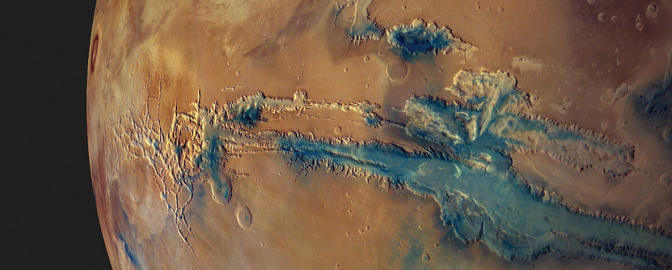


Planetary Radio Episodes
Since 2002, Planetary Radio has visited with a scientist, engineer, project manager, advocate, or writer who provides a unique perspective on the quest for knowledge about our Solar System and beyond. The full show archive is available for free.

Not just landed. Orbited, too. European Space Agency Senior Science Advisor Mark McCaughrean helps us celebrate the Rosetta orbiter and the Philae lander.

Cassini is safe! Project scientist Linda Spilker returns with a regular update on Saturn, its moons and rings not long after learning that the mission is funded through its 2017 plunge into the planet.

If there’s life on Mars, it’s probably deep beneath the surface. That’s just one reason we need a tool like Planetary Deep Drill on the red planet and other mysterious worlds around our solar system. Honeybee Robotics’ Kris Zacny introduces us to the innovative prototype.

It was a terrible, tragic week for commercial space development. Historian and space policy analyst John Logsdon helps up understand the greater meaning of the SpaceShipTwo and Antares disasters on this special edition of Planetary Radio, with additional thoughts from Bill Nye.
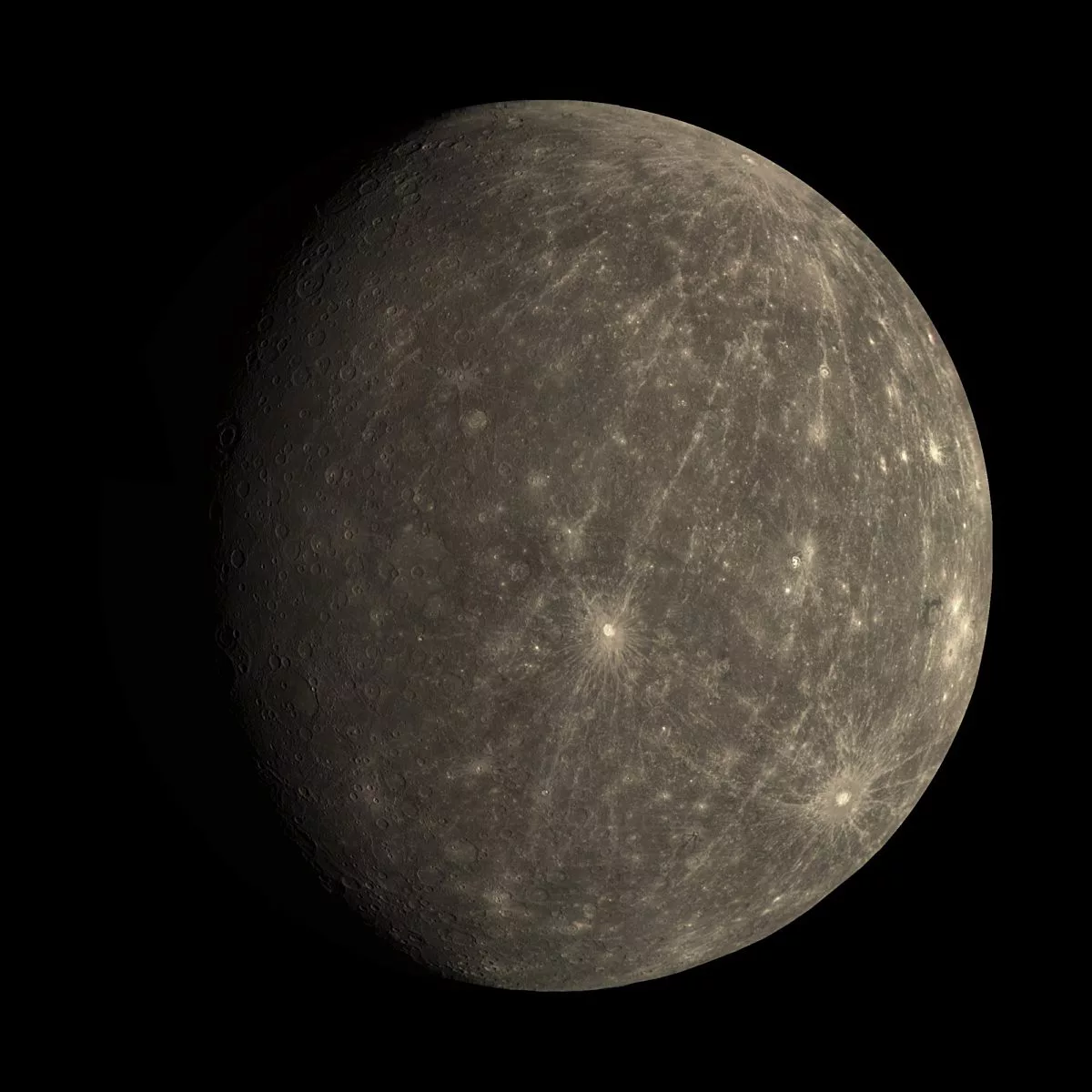
MESSENGER has been orbiting the innermost planet for more than three-and-half-years. Principal Investigator Sean Solomon returns with a status report as the mission enters its final phase.

Ilse Cleeves is lead author of a paper that concludes up to half of our solar system’s water is older than the solar system itself. The implications for life across the galaxy are profound.

It’s terribly hard to find exoplanets that look like our homeworld. The search requires development of astoundingly powerful and precise instruments. That’s the job Debra Fischer and her team have taken on.

We welcomed 1,600 Canadian space enthusiasts to the University of Toronto for our October 1st celebration of Canada in space! Join Mat Kaplan and Bill Nye with their guests, Canadian space writer Elizabeth Howell, University of Western Ontario planetary scientist Gordon “Oz” Osinski, and Canadian Space Agency astronaut Jeremy Hansen. Bruce Betts appeared via Skype to lead a rousing Random Space Fact cheer on What’s Up.

The Chairman of the powerful Science, Space and Technology Committee in the U.S. House of Representatives joins us for a talk about planetary science, Europa, a human flyby of Mars and much more.

The latest guest of the Red Planet arrived in orbit on the evening of September 22, 2014. Planetary Radio Live was watching with fingers crossed in Pasadena, California.

Planetary Scientist Jim Bell of Arizona State University joined other experts in front of the US House of Representatives Space Committee on September 10th. Get his report this week.

Inspired by Star Trek, distinguished physicist Miguel Alcubierre developed the general relativity-based model for warp drive 20 years ago. Hear why he doubts it will ever be a reality, and learn about his current research on gravitational waves.

Explore Mars wants to look for life on the Red Planet. Not past life. Life thriving under the Martian surface right now. Chris Carberry will tell us how the ExoLance project might find it.

New Horizons passed through the orbit of Neptune on August 25th. By cosmic coincidence, this was the 25th anniversary of Voyager 2’s flyby of that big, blue world. We catch Principal Investigator Alan Stern right after a celebration in Washington.


Harvard’s Henry Lin led work that determined the soon-to-be-launched James Webb Space Telescope may be able to detect an alien civilization by analyzing its atmosphere.

Venus Express Project Scientist Håkan Svedhem tells us about the spacecraft’s harrowing descent into the Venusian atmosphere, what it is currently up to, and what he’d like to see next at that forbidding planet.

LightSail, the Planetary Society’s innovative solar sail cubesat, will ride into space on the huge SpaceX Falcon Heavy, now in development. Bill Nye and others join us for a live celebration of this announcement.

Cornell grad student Jason Hofgartner reports on the discovery of what appears (and disappears!) to be an island on one of Titan’s frigid lakes.

There’s so much we don’t know about the origin of life here or anywhere else in the universe. But there must have been an energy source. Researcher Laurie Barge led work that simulated the natural formation of a fuel cell that may have taken place in Earth’s primordial oceans.