

 Explore Worlds
 Find Life
 Defend Earth


What's actually new about NASA's Artemis missions?


The print edition of this article was published under the title "The space tech continuum"
When NASA astronauts touch down on the Moon for the first time in over 50 years, it will mark both a breakthrough and a sequel. The agency’s new lunar program, called Artemis, aims to bring humanity back to the Moon for the long run. By establishing a sustained base at the lunar south pole, Artemis could forever change our place in the Solar System.
This is all daring — but Artemis is not the first of its kind. NASA has been to the Moon before, and this new chapter follows in the footsteps of the Apollo program. Look more closely, and Artemis actually draws on the technology and experience of all of NASA’s major crewed programs, from the Space Shuttle to the International Space Station.
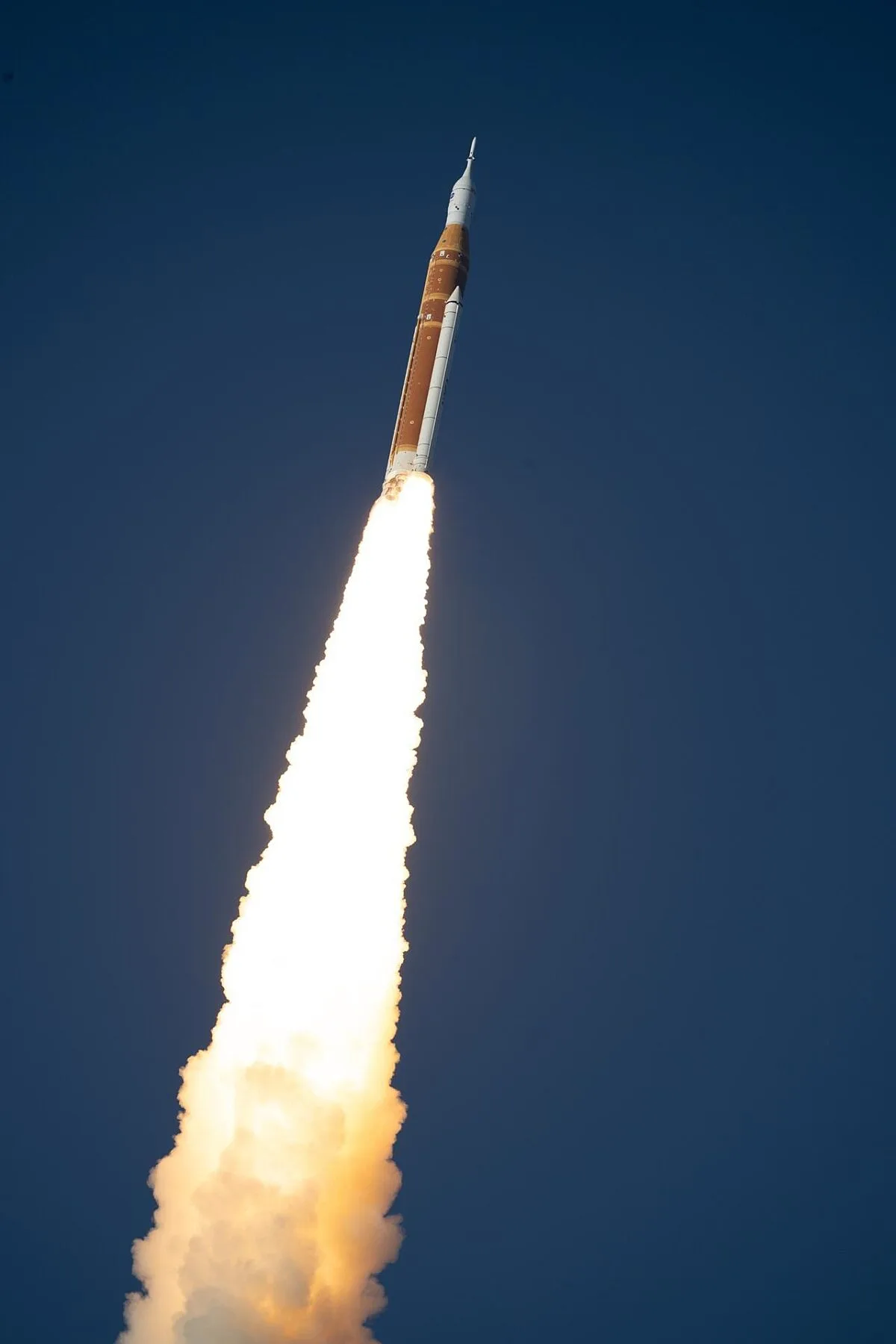
Between its history and its ambition, Artemis is a patchwork of the old and new. One of its components (a booster, say) might be the culmination of decades of careful improvements, while another might be brand new and unprecedented. Unpacking how much of Artemis is tried and true — and how much is newly innovative — all depends on where you look.
On the shoulders of giants
Start with Apollo. The crew capsule for Artemis, called Orion, is in part based on the Apollo program’s command module: Both have the same blunt shape and similar coatings for their heat shields. NASA is also using Apollo mission trajectories to help plan future Artemis landings, while efficiency lessons from the Apollo moonwalks will help future crews get science done more quickly on the lunar surface.
Other Artemis tech goes back to the Space Shuttle. The Space Launch System (SLS), the rocket that sends Orion to the Moon, uses an upgraded version of the Shuttle’s solid rocket boosters and the same main engines. The design of those engines, in turn, traces back to the Saturn V rocket that once launched all of NASA’s Apollo Moon landing missions.

Perhaps the biggest influence is the International Space Station (ISS). Since the retirement of the Space Shuttle, the ISS has been NASA’s only major in-situ testing ground for human spaceflight technology. Lessons learned there are woven throughout Artemis: Everything from Orion’s docking technology to its toilet is similar to those on the ISS. An ISS cargo vehicle serves as the base design for the European Service Module, which propels Orion from low-Earth orbit to the Moon.
What’s new
All of these legacy technologies make Artemis more dependable. But to achieve completely new feats and make long-term stays on the Moon realistic, Artemis must incorporate the cutting edge.
Unlike Apollo, the spacecraft that will land Artemis astronauts on the Moon will aim to be reusable, making the program cheaper and more sustainable in the long run. These landers (contracted to Blue Origin and SpaceX) will also be bigger and more powerful. They should be able to stay on the Moon for at least a week and eventually more than a month, while the Apollo landers maxed out at three days. They will also be able to carry four astronauts instead of two.
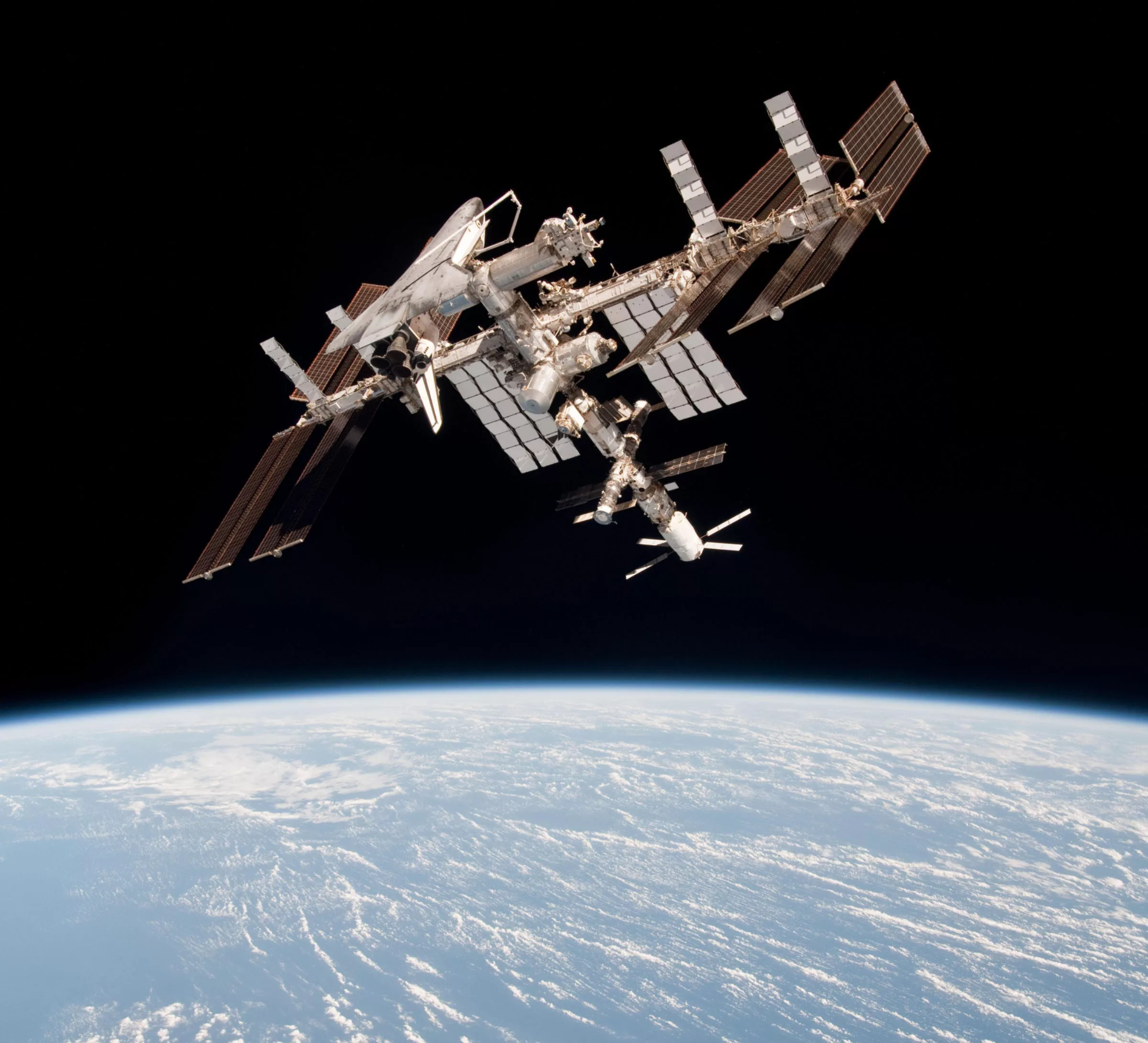
During Apollo, astronauts literally looked out the window to finalize a safe landing site and then could manually adjust their course to match. Artemis intends to do better, especially since it plans to send the first-ever crews to the lunar south pole, where lighting conditions make landing especially difficult. New landers will scan the lunar surface, compare their images to ultra-precise maps taken by an orbiter, and adjust themselves automatically. This approach was proven on Mars with the landing of Perseverance in 2021, but Artemis will mark the first crewed application.
Artemis’ most dramatic upgrade may be its relationship with the Moon itself. Instead of bringing everything from Earth, crews will eventually try to harvest rocket fuel components (liquid oxygen), water, and metal from the lunar surface. The long-term goal is for later Artemis missions to be churning out tons, if not hundreds of tons, of some of these resources per year.
There are other less obvious innovations. Digital infrastructure will allow Artemis mission teams to devise much more sophisticated exploration plans on the fly. Laser communications will turn the grainy static of the Apollo landing videos into full HD, and new spacesuits will make for longer spacewalks.
These technologies, combined with NASA’s proven workhorses, could make Artemis’ unprecedented goals a reality. If they work, the Moon won’t just be a destination we return to. It will be a place we stay.
Protect Our Shared Future
You help us defend humanity and prevent asteroid impacts. Donate now to become a Planetary Defender!
Donate
The Planetary Report • June Solstice
Help advance space science and exploration! Become a member of The Planetary Society and you'll receive the full PDF and print versions of The Planetary Report.