

 Explore Worlds
 Find Life
 Defend Earth


All
All
 Sun
Sun Mercury
 Venus
Venus Earth
Earth Mars
Mars Jupiter
 Saturn
 Uranus
 Neptune
 Small Bodies
Stories, updates, insights, and original analysis from The Planetary Society.

Some beautiful new (old) views of Neptune and Triton
Beautiful new amateur work with 27-year-old Voyager data.

Promise, Transition, and Transformation
After 10 days, four NASA centers, two contractors, and hundreds of miles, Casey Dreier shares his initial reflections on the state of NASA's Space Launch System rocket and its future.

Women on Spacecraft Missions: Are we moving towards parity with the percentage in the field?
How far have we come and how far do we still need to go to welcome women into planetary science, and, particularly, spacecraft missions?

One year remains in the Cassini mission
Cassini ends a year from today, which is sad. But the final year of the mission is going to be awesome.

Successful launch for China's Tiangong-2 space station
Today, China launched its second modular space station, Tiangong 2.

Gaia's first galaxy map
The astronomy world is abuzz today because of ESA's announcement of the first release of data from the Gaia mission. Gaia is a five-year mission that will eventually measure the positions and motions of billions of stars; this first data release includes positions for 1.1 billion of them, and proper motions for 2 million.

A deep dive into the highest-resolution Voyager Jupiter data
A few weeks before the first Juno high resolution imaging, I decided to take a look at Voyager color images at various resolutions, with particular attention to high-resolution mosaics.

Cassini's camera views of Titan's polar lakes in summer, processed into pseudocolor
Titan's north polar lakes are well-lit by summer sun in these recent Cassini images. Image processing enthusiast Ian Regan shares his recipe for processing the longer-wavelength Titan images into visually pleasing

Rosetta end-of-mission update
The European Space Agency has shared plans for the end of the Rosetta mission scheduled for September 30, just three weeks from now. The landing site will be located on the
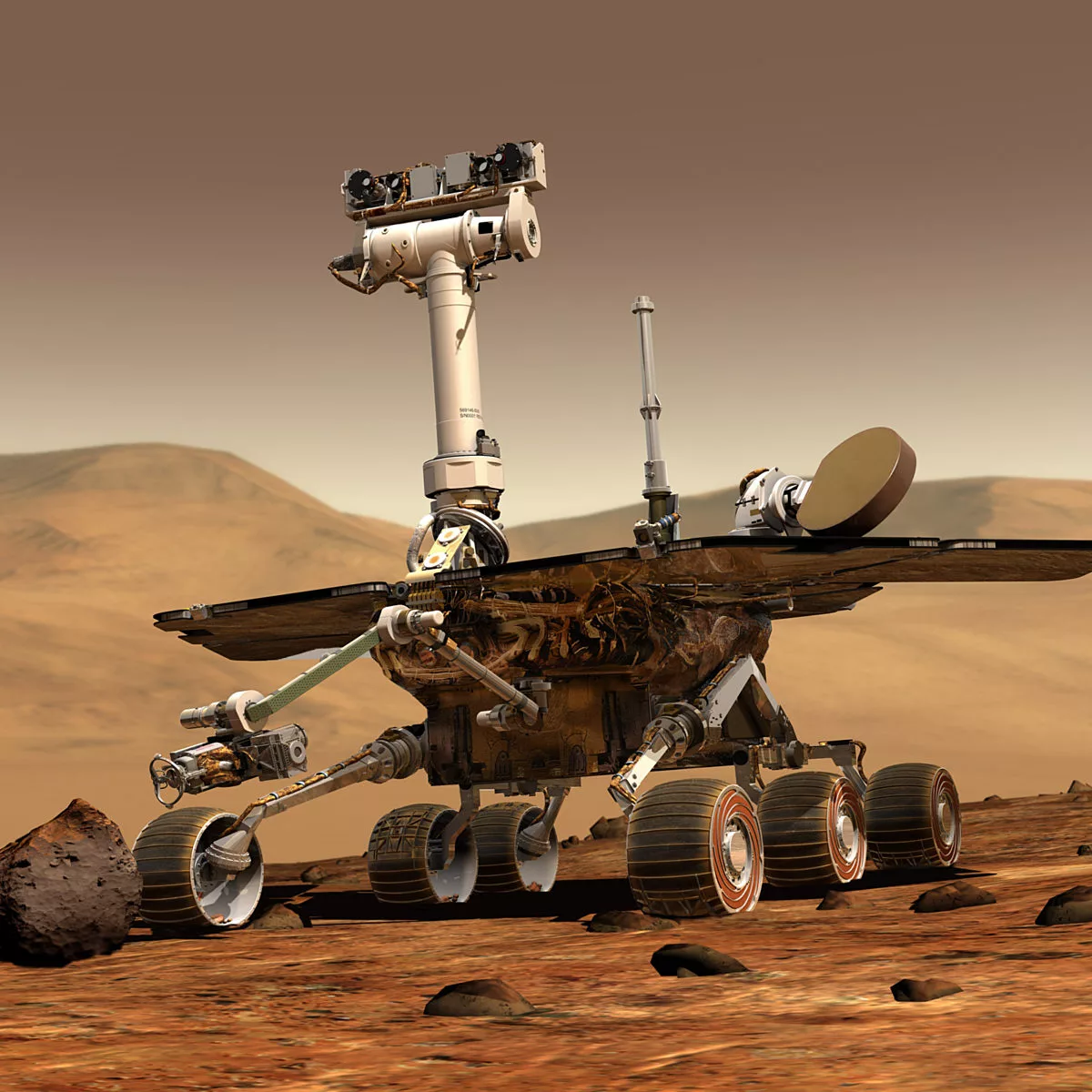
Field Report From Mars: Sol 4482 - September 2, 2016
Opportunity is about to leave Marathon Valley for good and head south into the next valley, marking the beginning of the current extended mission plan.

OSIRIS-REx blazes into evening sky, starting journey to asteroid Bennu
NASA's OSIRIS-REx spacecraft is safely en route to asteroid Bennu following an evening liftoff from Cape Canaveral, Florida.

Carrying names of 440,000 well-wishers, OSIRIS-REx ready for journey to Bennu and back
OSIRIS-REx is ready to begin its journey to Bennu and back. The asteroid was named by a Planetary Society contest winner, and the spacecraft bears the names of 440,000 well-wishers.

Philae spotted on the surface of comet Churyumov-Gerasimenko
Ever since its landing, Philae has been elusive. It went silent just three days later and never returned any more science data, though it made brief contact with the orbiter last summer. Now, just a month until the planned end of the Rosetta mission, the orbiter has finally located the lander in a stunning high-resolution view of the surface.

Mars Exploration Rovers Update: Opportunity Gets in the Groove, Wraps Science Marathon Valley
Opportunity got in the groove at Endeavour Crater in August finishing the last of her science assignments in Marathon Valley.

Juno's instruments return riches from first perijove
On August 27, Juno soared across Jupiter's cloud tops from pole to pole, with all instruments operating. NASA posted some terrific first results from several of the instruments today. And the JunoCam team released all 28 raw images taken during the close encounter.

OSIRIS-REx is on the launch pad, ready for the big day
The OSIRIS-REx mission passed its flight readiness review yesterday, clearing the way for the spacecraft to launch on Thursday, September 8. Here's a schedule of next week's NASA TV briefings and a photo album of the launch preparations.

Join The Planetary Society on social media for an epic #RocketRoadTrip
From September 6-16, The Planetary Society is visiting four NASA centers focused predominantly on the agency’s Journey to Mars program. Follow us on social media with the hashtag #RocketRoadTrip.

Dawn Journal: Diving Low
Following the conclusion of Dawn's ambitious 8.8-year prime mission on June 30, the spacecraft has been gathering a wealth of data with all sensors in its extended mission as it orbits closer to Ceres than the International Space Station is to Earth.

SpaceX's Falcon 9 rocket explosion: What we know and don't know
A SpaceX Falcon 9 rocket exploded on the launch pad at Cape Canaveral this morning. Here's what we know and don't know.

What's up in the solar system, September 2016 edition: OSIRIS-REx launches, Rosetta ends
The month of September begins with an annular solar eclipse visible from much of Africa on September 1. On or after September 8, we'll see OSIRIS-REx launch into a two-year cruise toward a rendezvous with asteroid Bennu. But September will close, sadly, with the end of the wonderful Rosetta mission.