

 Explore Worlds
 Find Life
 Defend Earth


All
All
 Sun
Sun Mercury
 Venus
Venus Earth
Earth Mars
Mars Jupiter
 Saturn
 Uranus
 Neptune
 Small Bodies
Stories, updates, insights, and original analysis from The Planetary Society.

ExoMars arrives soon!
ESA's ExoMars will arrive at Mars on Wednesday, October 19, with Schiaparelli touching down in Meridiani Planum, and the Trace Gas Orbiter entering orbit while Mars Express watches.

New Gems from the Moon
More than seven years after the end of its mission, JAXA has released the entire data set from Kaguya's HDTV cameras.

LightSail 2 update roundup: Testing, delivery and a new animation in the works
LightSail 2 and Prox-1 are expected to meet for integration by the end of the year. Here's an update roundup, including a sneak peek of new animations and the abstract from a recently accepted paper on the spacecraft's attitude control system.
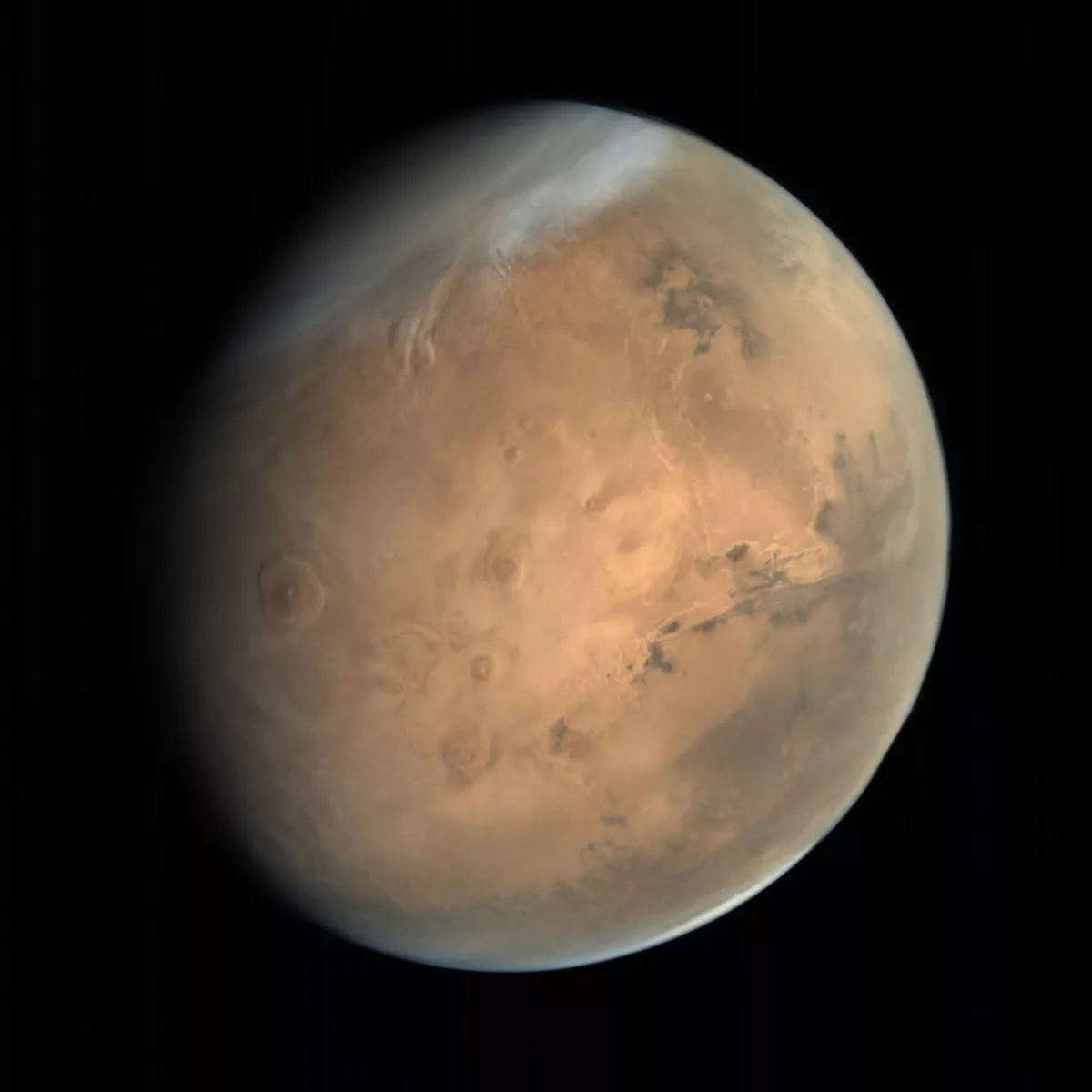
Fun with a new image data set: Mars Orbiter Mission's Mars Colour Camera
It's always a delight to sink my teeth into a new data set, and I have spent this week playing with one I've been anticipating for a long time: ISRO's Mars Orbiter's Mars Colour Camera, or MCC. MCC is unique among current Mars cameras in its ability to get color, print-quality, wide-angle, regional views of Mars.
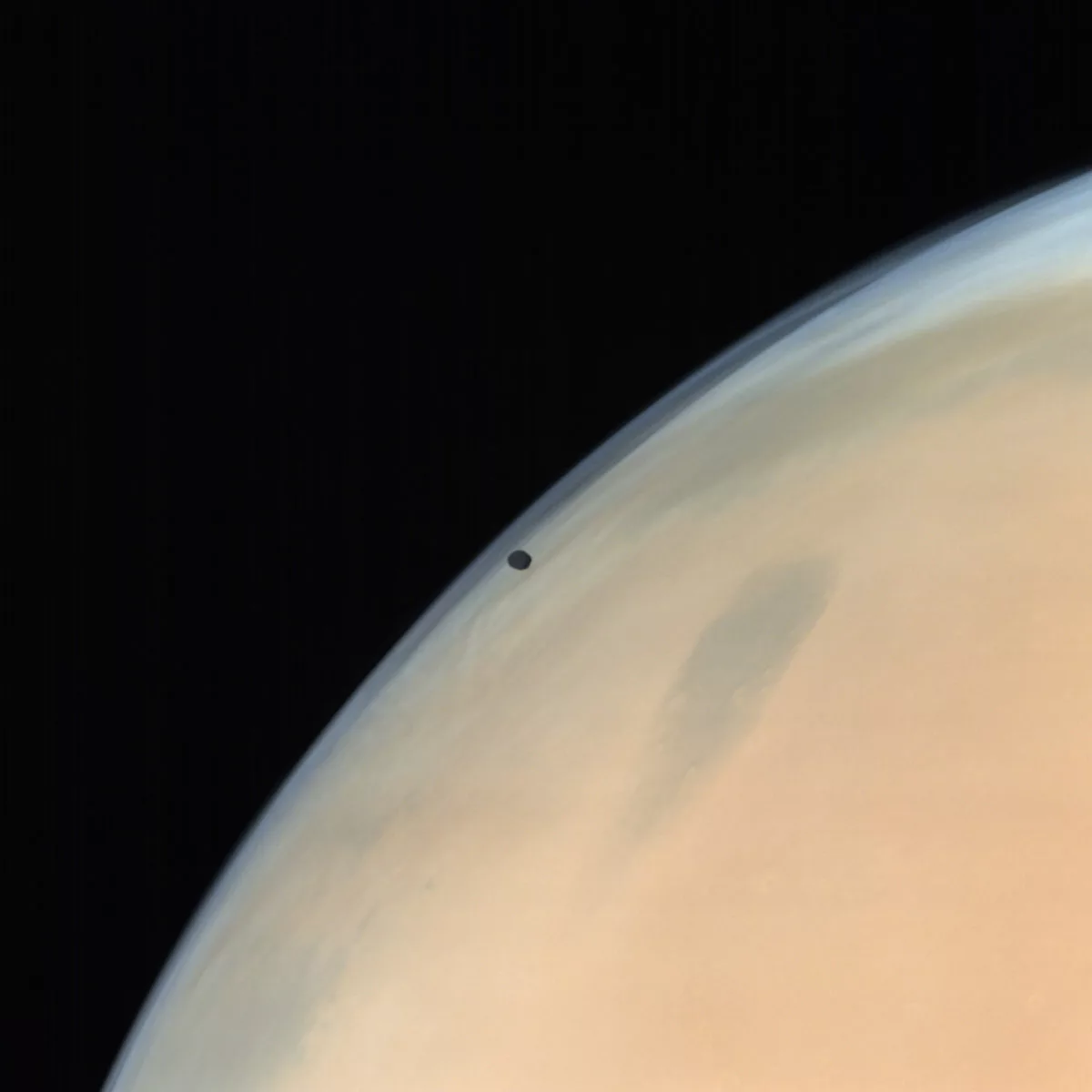
MOM's Second Anniversary at Mars
On Mars Orbiter Mission’s second anniversary of Mars arrival, ISRO has (finally!) made available to the public data from its first year in orbit.

What's up in the solar system, October 2016 edition: ExoMars arrives!
ExoMars Trace Gas Orbiter arrives on October 19, and it will deliver the Schiaparelli lander to its brief life on the Martian surface. Juno's headed into its science orbit, MOM has released science data, and New Horizons will finally finish downlinking Pluto flyby data.

ESA opens its ears to citizens of Europe
In September, the European Space Agency gathered 2,000 people around the continent to discuss their future in space.

Mars Exploration Rovers Update: Opportunity Exits Marathon Valley then Rocks Spirit Mound
It was another September to remember for Opportunity as she cruised through the Lewis and Clark Gap and out of Marathon Valley, then hiked downslope, leading the first overland expedition of the Red Planet to Spirit Mound, a new site deep in Endeavour Crater’s rim.

To Mars, with a monster rocket: How politicians and engineers created NASA's Space Launch System
NASA is building a giant rocket called the Space Launch System to send humans to Mars. In part 4 of our Horizon Goal series, we recap the messy tangle of politics and engineering that led to the vehicle's creation in 2011.

Rosetta is gone
Today there is one less spacecraft returning science data from beyond Earth. The European Space Operations Centre received the final transmission from Rosetta at 11:19 September 30, UT.

OSIRIS-REx’s cameras see first light
As OSIRIS-REx speeds away from Earth, it’s been turning on and testing out its various engineering functions and science instruments. Proof of happy instrument status has come from several cameras, including the star tracker, MapCam, and StowCam.

Dawn Journal: 9th Anniversary
Nine years ago today, Dawn set sail on an epic journey of discovery and adventure. The intrepid explorer has sailed the cosmic seas and collected treasures that far exceeded anything anticipated or even hoped for.

Rosetta spacecraft may be dying, but Rosetta science will go on
The Rosetta mission will end tomorrow when the spacecraft impacts the comet. ESA took advantage of the presence of hundreds of members of the media to put on a showcase of Rosetta science. If there’s one thing I learned today from all the science presentations, it’s this: Rosetta data will be informing scientific work for decades to come.

SpaceX and the Blank Slate
SpaceX's plans to colonize Mars differ considerably from NASA's Journey to Mars ambitions. But direct comparison is difficult. SpaceX is able to wipe the slate clean and start fresh with a bold new approach to humans in space. NASA has no such luxury, and must use existing pieces and people to make their goals a reality.

Rosetta end-of-mission event schedule
A schedule of what to expect during Rosetta's final hours September 29 and 30, and how you can follow online.
A million people in 40 to 100 years: SpaceX unveils plan to colonize Mars
After much anticipation, Elon Musk revealed his plans to colonize Mars. Here are the details, some questions yet to be answered, and a few thoughts on how this could change the way we think about human spaceflight.

New Findings are Conclusive: Europa is crying out for exploration
New scientific findings add to the evidence that Europa is spouting its liquid ocean into space. NASA has a mission to Europa in the works, but it wouldn't launch for at least a decade. Congress can make it faster, but it all depends on whether they can pass a budget this year.

Juno and Marble Movie update at Apojove 1
Juno is on its second of two long orbits around Jupiter, reaching apojove (its farthest distance from the planet) today.

Where to find rapidly released space image data
Interested in playing with recent space image data? Here's a list of places to get the freshest photos from space.

Five things we learned from our #RocketRoadTrip
We're back from our #RocketRoadTrip through four states with NASA field centers involved in the agency's Journey to Mars program. We'll be sorting through our material for quite some time, but meanwhile, here are five key things we learned.