

 Explore Worlds
 Find Life
 Defend Earth


All
All
 Sun
Sun Mercury
 Venus
Venus Earth
Earth Mars
Mars Jupiter
 Saturn
 Uranus
 Neptune
 Small Bodies
Stories, updates, insights, and original analysis from The Planetary Society.

Seeing, feeling, and imagining the cosmos
Explore space art created by members of The Planetary Society’s community, and learn about a possible alien signal.

So long, 2020, and thanks for all the space
Look back on the year’s accomplishments and enjoy the beauty of the cosmos.

Aliens at Proxima Centauri? A New Radio Signal Raises the Question
Extraordinary claims require extraordinary evidence, so here are the reasons why there may or may not be aliens in our cosmic backyard.

The great conjunction! (And how it functions)
Everything you need to know about Saturn and Jupiter’s upcoming conjunction, and more from this week in space exploration.

NASA Abruptly Delays a Critical Planetary Defense Mission
A space telescope that would find thousands of potential "city-killer" size asteroids was abruptly delayed due to unspecified and unrelated funding issues within NASA's science division.

Wish upon a shooting star (or a descending asteroid sample)
Hayabusa2 brings its sample safely to Earth, and the Geminids meteor shower approaches.

Planetary Society Reacts to Loss of Arecibo Observatory Radio Telescope
Arecibo helped us explore the cosmos and our solar system, search for life, and defend Earth from potentially dangerous asteroids.

How to stop microbes from hitching a ride to space
Learn about planetary protection for exploring other worlds and get caught up on the week’s space news.

Could there be life on Venus?
Explore exciting news in the search for life beyond Earth, and take a trip down memory lane with our co-founder.

Did Scientists Just Find Life on Venus? Here's How to Interpret the Phosphine Discovery
A Venusian biosignature, if confirmed, does not guarantee life, but it does represent a compelling argument for further exploration.

Planetary Society Grant Winner Discovers Large Near-Earth Asteroid
The kilometer-wide object won't hit Earth, but would cause global-scale devastation if it did.

A devil on Mars and defenders of Earth
From dust devils and craters on the Martian surface to spots on the Sun, we’re taking a look at everything new and exciting in space science and exploration this week.

Looking up at bright planets, asteroids, and burning trash
Get an update on the latest in space exploration, and find out how you can help defend the Earth from asteroid impacts.

Imaging and imagination in space
Learn about The Planetary Society’s vision for the next decade of exploration and get up to speed on space news.

Committed to doing the work
Our initial plans to proactively work against racism, along with the week’s space news.
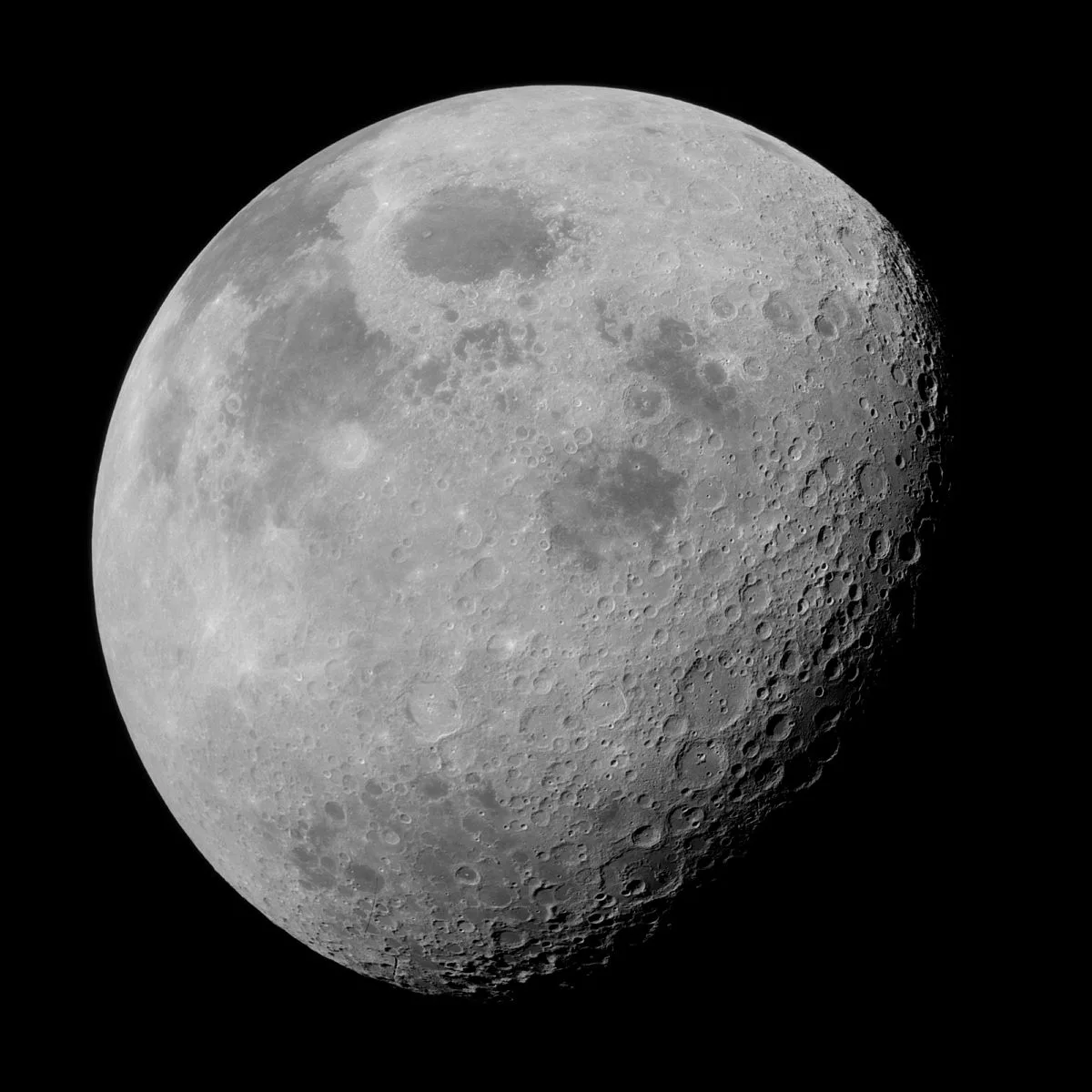
Is the Moon a Stepping Stone or a Cornerstone for Mars?
New legislation proposed in the House of Representatives would radically shift NASA's human spaceflight efforts away from the Moon and back to Mars.

NASA Rings in the New Year with $22.6 billion
NASA's final 2020 budget rejected every major cut proposed by the Trump Administration, increased funding for popular congressional projects such as the Space Launch System, and underfunded several key administration proposals, including a human-qualified lunar lander and low-Earth orbit commercialization projects.

The Most Important Space Policy Events of the 2010s
The end of the Space Shuttle, the rise of public-private partnerships, and the return to the Moon. As the 2010s come to a close, what were the most impactful events that shaped U.S. space policy?

How the European Space Agency Does Planetary Defense
Defending the planet from the hazard of potential asteroid impacts requires investments from the whole world. In Europe, the European Space Agency (ESA) and the European Union both support work to understand and mitigate the threats from near-Earth objects.

How NASA's Planetary Defense Budget Grew By More Than 4000% in 10 years
NASA used to spend more on travel for its employees at headquarters than it did on finding dangerous near-Earth asteroids. Now it’s building asteroid-hunting space telescopes. What changed?