

 Explore Worlds
 Find Life
 Defend Earth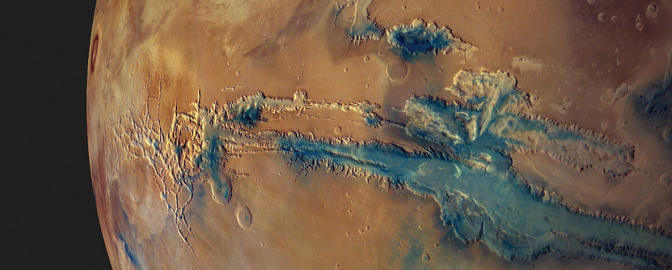


Planetary Radio Episodes
Since 2002, Planetary Radio has visited with a scientist, engineer, project manager, advocate, or writer who provides a unique perspective on the quest for knowledge about our Solar System and beyond. The full show archive is available for free.

NASA’s Orion spacecraft has taken its first step toward Mars and an asteroid mission. The Planetary Society’s Jason Davis was at the Kennedy Space Center for the December 5 mission.

If there’s life on Mars, it’s probably deep beneath the surface. That’s just one reason we need a tool like Planetary Deep Drill on the red planet and other mysterious worlds around our solar system. Honeybee Robotics’ Kris Zacny introduces us to the innovative prototype.
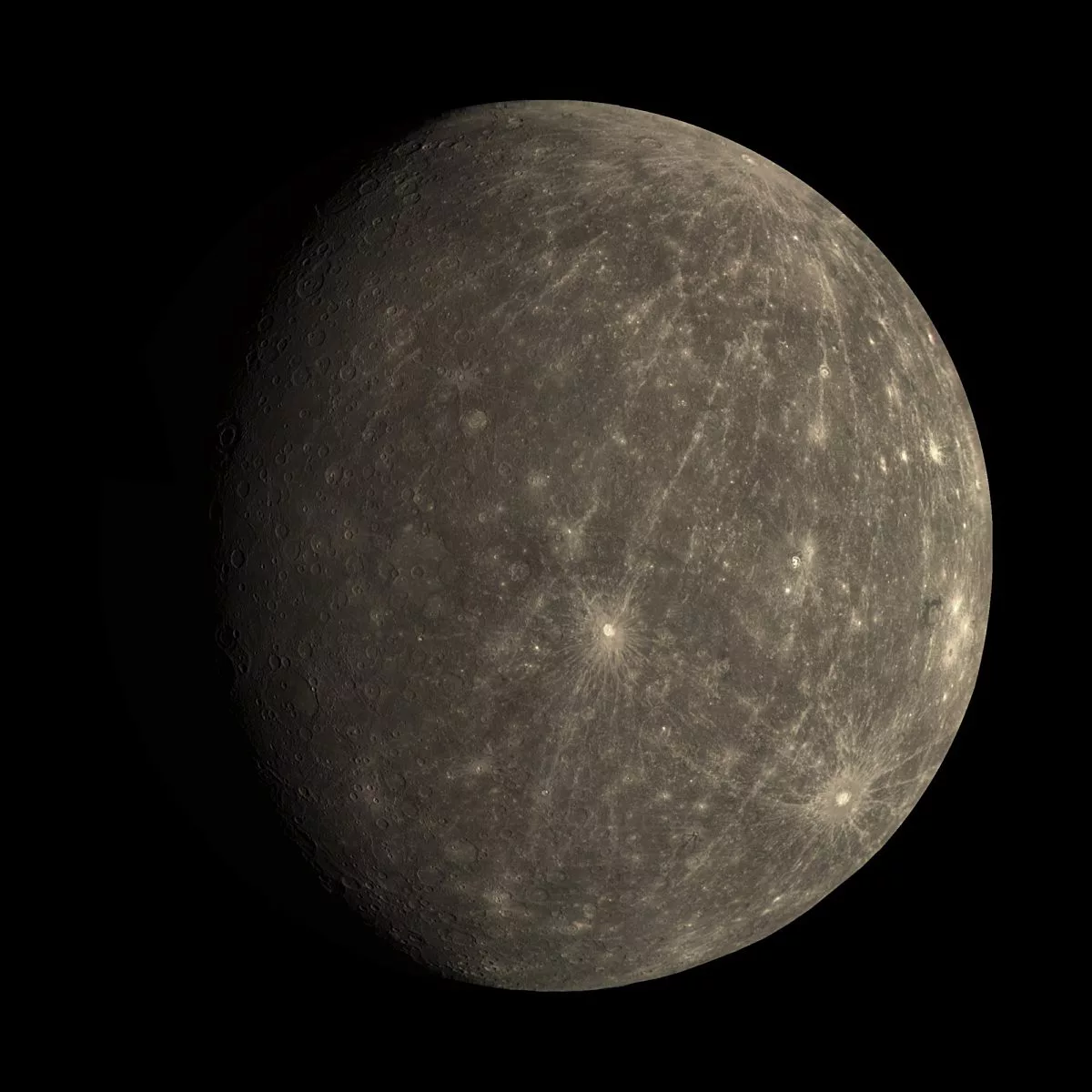
MESSENGER has been orbiting the innermost planet for more than three-and-half-years. Principal Investigator Sean Solomon returns with a status report as the mission enters its final phase.

Ilse Cleeves is lead author of a paper that concludes up to half of our solar system’s water is older than the solar system itself. The implications for life across the galaxy are profound.

The Chairman of the powerful Science, Space and Technology Committee in the U.S. House of Representatives joins us for a talk about planetary science, Europa, a human flyby of Mars and much more.

The latest guest of the Red Planet arrived in orbit on the evening of September 22, 2014. Planetary Radio Live was watching with fingers crossed in Pasadena, California.

Planetary Scientist Jim Bell of Arizona State University joined other experts in front of the US House of Representatives Space Committee on September 10th. Get his report this week.

Explore Mars wants to look for life on the Red Planet. Not past life. Life thriving under the Martian surface right now. Chris Carberry will tell us how the ExoLance project might find it.


Venus Express Project Scientist Håkan Svedhem tells us about the spacecraft’s harrowing descent into the Venusian atmosphere, what it is currently up to, and what he’d like to see next at that forbidding planet.

In his 55 years as NBC’s space correspondent, Jay Barbree has won the respect and friendship of many astronauts. Neil Armstrong stands above them all. Now Jay has created this very personal chronicle about his friend, with help from Neil and many of the other pioneering spacefarers.

Kepler-186f is the very first exoplanet that is both the size of our own world and in the habitable zone surrounding its star. SETI Institute scientist Elisa Quintana is lead author of the paper announcing its existence.

The National Research Council released its long-awaited report June 4th. Distinguished space policy analyst John Logsdon returns to Planetary Radio with his take on this latest attempt to determine the proper role of humans in space.

Astronomers Without Borders Founder and President Mike Simmons and his colleagues share the passion, beauty and joy of the night sky from Argentina to Zambia.

Cassini Project Scientist Linda Spilker joins us at the first Starlight Festival in Big Bear Lake, California, and festival MC Andre Bormanis makes a bonus appearance on the show.

Planetary Radio visited Spacefest in Pasadena to talk with planetary scientist and space artist Dan Durda, Marc Rayman of the Dawn asteroid mission, and a guy who calls himself the Space Cowboy. We also eavesdrop on Apollo 17 Commander Gene Cernan and his lifelong fan, Griffith Observatory Curator Laura Danly.

Planetary Radio visits the 33rd ISDC to talk with three explorers who’ve set their sights on the Red Planet: MD and space medicine researcher Susan Jewell, Meteorite Man Geoff Notkin, and Mars Program Formulation Office Manager at the Jet Propulsion Laboratory, Charles Whetsel.

Join the party as we celebrate the 53rd anniversary of humanity’s transition to spacefaring species with Yuri’s Night Executive Director Loretta Hidalgo Whitesides, Virgin Galactic CEO and Yuri’s Night co-founder George Whitesides, and astronaut Ron Garan, who heads Fragile Oasis.

You may have heard that the sometimes deadly Salmonella bacterium becomes stronger in microgravity. Cheryl Nickerson tell us about this and other results her team has conducted in low Earth orbit.
Emily shares highlights from last week’s Lunar and Planetary Science Conference, and Alan Stern provides updates on the Rosetta comet mission and his New Horizons probe that is nearing Pluto, and addresses the controversy around Uwingu’s Name a Martian Crater project.