

 Explore Worlds
 Find Life
 Defend Earth

All
All
 Sun
Sun Mercury
 Venus
Venus Earth
Earth Mars
Mars Jupiter
 Saturn
 Uranus
 Neptune
 Small Bodies
Stories, updates, insights, and original analysis from The Planetary Society.

The Planetary Society Announces 2019 Call for Proposals for Shoemaker NEO Grant Program
Our grants fund amateur observers, underfunded professional observers, and observers in developing countries who make vital contributions to NEO research.

What Can We Learn from a Failed Return to the Moon?
Thirty years ago, President George H.W. Bush announced an ambitious program to return humans to the Moon. It failed. Today the Trump Administration wants the same thing. Can a failed lunar return effort help this one succeed?
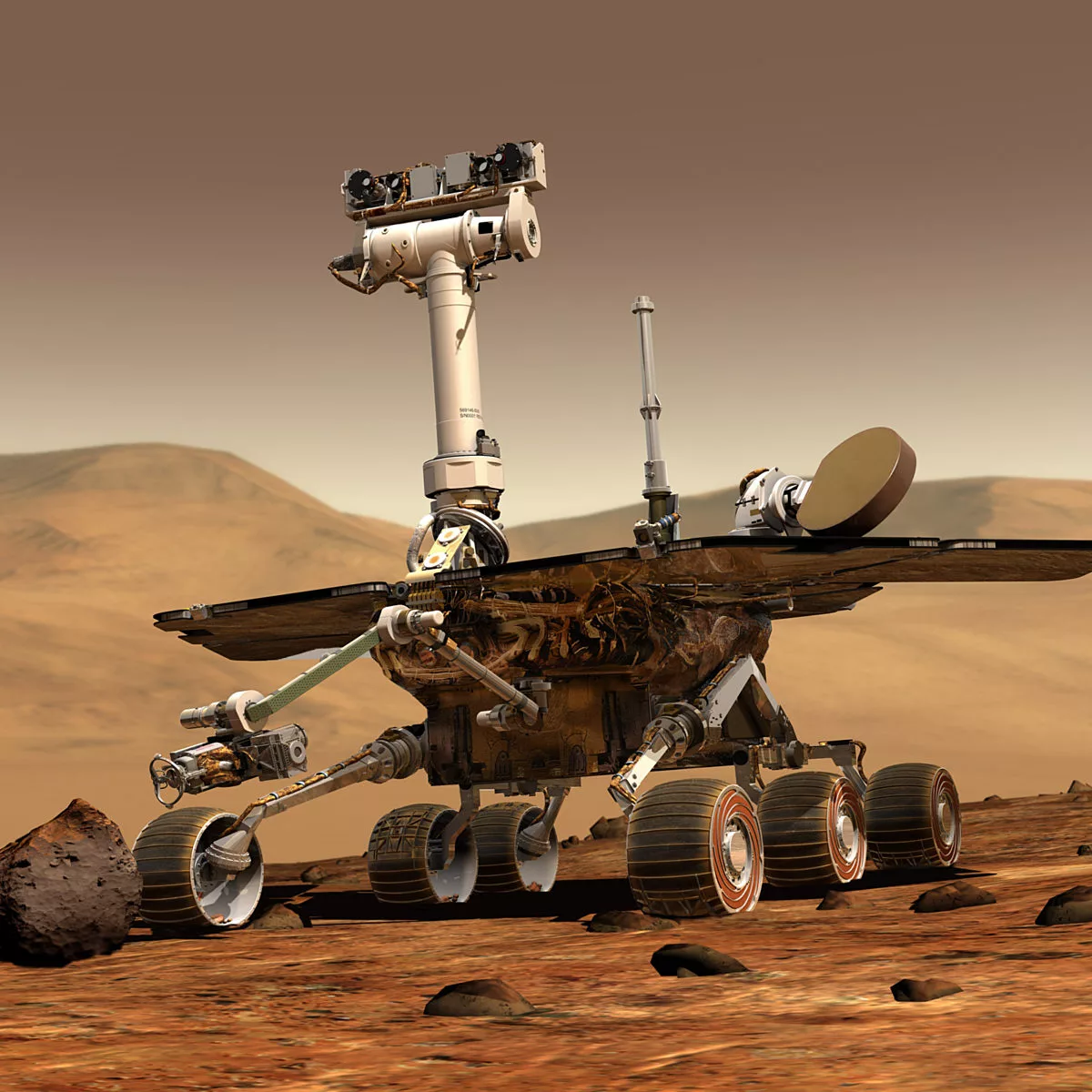
The Mars Exploration Rovers Update: The Final Report
It’s a fall afternoon at Endeavour Crater. The summer winds finally lost their energy and the dust storm season is over. But there are no more signals coming from Earth. No more comm sessions with the orbiters. Nothing like it used to be.

Curiosity Update, Sols 2313-2387: Two New Drill Holes Despite Memory Problems
The Curiosity team is touring Glen Torridon, the Valley of Clay, south of Vera Rubin Ridge, happily photographing everything and zapping rocks. It’s clearly a delight for the team to be in a place they’ve been hoping to reach for 7 years.

How Your Donations are Helping Planetary Society Asteroid Hunters
Each year, we ask our Shoemaker NEO Grant winners to help us tell the world about their work. Here's what they said.

InSight Detects Some Very Small Marsquakes
InSight has finally detected its first Marsquakes, but so far, none have been large enough to produce good science. Still, it’s great news that the seismometer is producing sensible data.

HiRISE Team Overcomes Imaging Glitches as Mars Reconnaissance Orbiter Eyes another Decade in Orbit
Blurred images and battery issues are no longer an immediate problem.

Chang’e-4 Updates: Yutu-2 Roves into Overtime, Returns More Images
China’s Chang’e-4 lander and Yutu-2 rover are continuing to function well and have completed their fourth lunar day.

Crew Dragon Test Vehicle Suffers Mishap during Engine Testing
The extent of the accident is unclear, but a plume of orange smoke was visible from miles away.

Adapting an iPhone for Astrophotography
The sky is the limit, providing you’re willing to invest a little time for what is a surprisingly low-budget, hands-on project.

Software Command to Fix Faulty Sensor Doomed Beresheet
Six days after SpaceIL's Beresheet spacecraft crash-landed on the Moon, we now have an explanation for what went wrong.

Voyager Wide-Angle Views of Jupiter
Last month marked the 40th anniversary of the historic Voyager 1 encounter with Jupiter in 1979.

Beresheet Comes Close before Crashing on the Moon
Mission controllers announced Beresheet had a problem with its main engine, and the spacecraft stopped transmitting shortly thereafter.

SpaceX’s Falcon Heavy Flies Again; LightSail 2 Is Next!
SpaceX also went three-for-three on booster landings, marking another milestone for its Falcon Heavy rocket.

Beresheet is about to Land on the Moon
A successful landing will make SpaceIL the first private organization, and Israel the fourth country, to soft-land on the Moon.

2007 OR10 Needs a Name!
It’s time to give 2007 OR10 a name. We’re asking for your help to pick a suitable name for the largest as-yet-unnamed solar system world to submit to the International Astronomical Union (IAU).

Hearing Recap: NASA’s FY 2020 Budget Request
On March 27, 2019, the House Appropriations Subcommittee on Commerce, Justice, Science and Related Agencies held a hearing titled, “NASA’s FY 2020 Budget Request.”

T-minus Five Years and Counting
Can NASA really return astronauts to the Moon by 2024?

Beresheet Has Entered Lunar Orbit!
SpaceIL's Beresheet Moon lander successfully entered lunar orbit today after a 6-minute engine burn that began at 14:18 UTC / 10:18 EDT.

Hayabusa2 Safe and Sound after Blasting New Crater on Ryugu
Hayabusa2 successfully used its explosive-packed SCI experiment to create an artificial crater on asteroid Ryugu.