

 Explore Worlds
 Find Life
 Defend Earth


Planetary Radio Episodes
Since 2002, Planetary Radio has visited with a scientist, engineer, project manager, advocate, or writer who provides a unique perspective on the quest for knowledge about our Solar System and beyond. The full show archive is available for free.

Mat Kaplan talks with Matt Taylor, the Rosetta Project Scientist, just two weeks after the spacecraft touched down on 67/P.
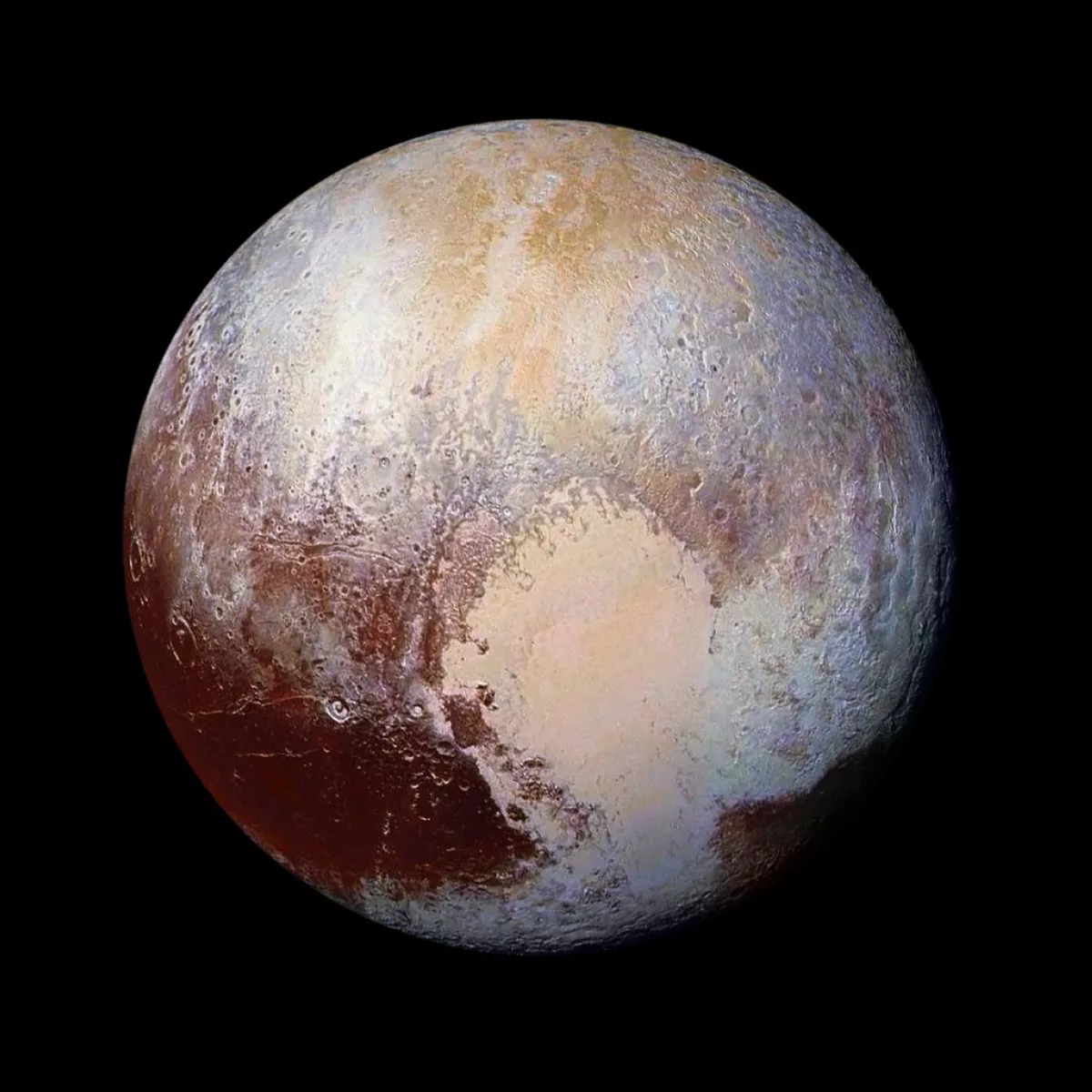
Alan Stern of the New Horizons mission to Pluto and beyond was in Pasadena for the annual meeting of the American Astronomical Society’s Division for Planetary Sciences. He joined Mat Kaplan for a very special conversation down the street at Planetary Society HQ.

How did the Voyager spacecraft manage to weave their magnificent way through the outer planets of our solar system? Mission Design Manager Charley Kohlhase led the team that crunched the numbers to select the best possible trajectory from 10,000 candidates.

The Night Sky Guy, Andrew Fazekas, talks about his beautiful new, Star Trek-inspired guide to the real wonders of astronomy.

The European Space Agency’s magnificent Rosetta mission ended last week as the spacecraft gently touched down on the comet it has revealed.

Planetary Society Digital Editor Jason Davis returns with the story of the ten-day trek across the South he just completed with two Society colleagues.

In two years a Near Earth Asteroid now known as Bennu will have a visitor from Earth. OSIRIS-REx Principal Investigator Dante Lauretta reports on his mission’s successful launch.

In its nearly five decades, NASA has created or improved thousands of technologies, processes and innovations. Dan Lockney is in charge of making sure these solutions are found and utilized by industries and others in need.

Space historian and policy expert John Logsdon joins Mat Kaplan for a fascinating conversation about how the US could have lost the race to the moon.

Steep canyons on Saturn's moon Titan are filled with liquid methane. That's the discovery just announced by an international team of Cassini scientists, including Alex Hayes.

You may never hear their names, but there are thousands of small to medium-sized companies without which space exploration and development wouldn’t happen.

Philip Lubin and his former student Travis Brashears have had quite a year. Their bold plan to send tiny probes to nearby stars is now supported by NASA and the Breakthrough Starshot $100 million dollar initiative. Hear their amazing story.

It takes a lot of terrific components to create a successful spacecraft like Curiosity, the Mars Science Laboratory. We’ll visit JPL to learn about the Terminal Descent Sensor radar that will once again help land a rover on the Red Planet.

Return with us to the evening of July 4, 2016 and the exciting arrival at Jupiter of the Juno orbiter. You’ll hear the moment of successful orbital insertion. Several of the mission’s key contributors reveal how Juno accomplished this feat, along with what they hope the spacecraft will tell us about the giant planet.

Juno will enter Jupiter orbit on July 4th. Mat Kaplan talks with the mission’s Principal Investigator, Scott Bolton at the Jet Propulsion Laboratory. Bill Nye helps prepare us for this exciting encounter and the science that will follow.

Space art and science fiction joined science fact at the 2016 Contact Conference in Sunnyvale, California. We talk with three well-known visionaries.

Three NASA leaders talk with host Mat Kaplan about the progress we're making toward leaving footprints on the Red Planet.

The Planetary Society’s solar sail spacecraft was in the middle of a critical test as we spoke with the Society’s Bruce Betts and Jason Davis.

We’re back at Space Symposium for a conversation with SNC’s Mark Sirangelo, leader of that company’s effort to build the Dream Chaser. We’ll also hear a few moments of Bill Nye’s session at the annual gathering as he hosted Bernard Foing and Amy Mainzer.
The annual Space Symposium in Colorado is a must-attend event for space leaders from around the world. Our coverage begins with United Arab Emirates Space Agency Director General Mohammed Nasser Al Ahbabi, and then moves to ESA Director General Jan Woerner and Chief Scientist Bernard Foing.