

 Explore Worlds
 Find Life
 Defend Earth
Planetary Radio • Oct 21, 2026
Meet the winners of The Planetary Society’s 2026 STEP Grants
On This Episode
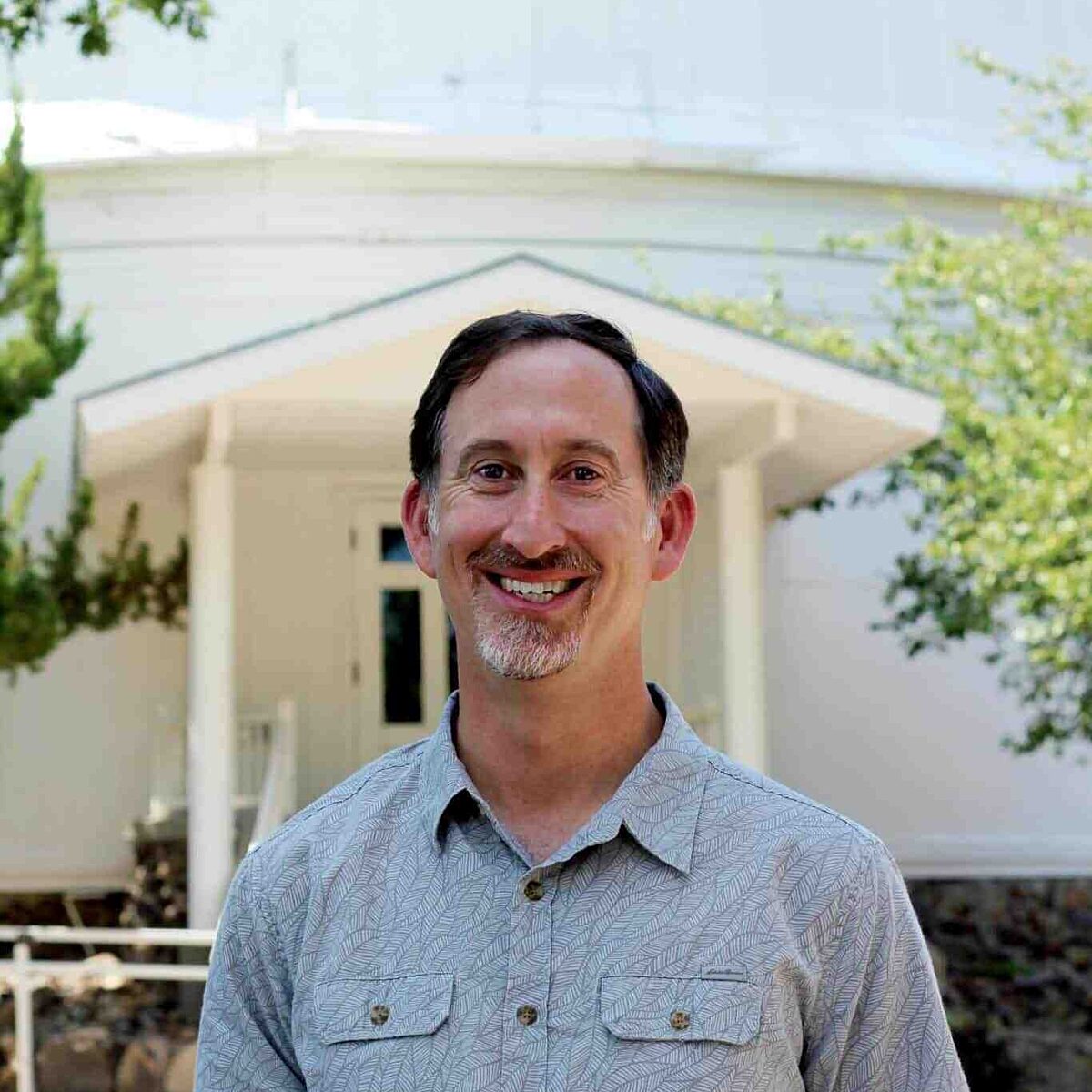
Nick Moskovitz
Astronomer, Lowell Observatory

Ryan Hamilton
Head of Instrumentation, Lowell Observatory
Katie Breeland-Newcomb
Doctoral student, Northern Arizona University

Miguel Alarcón
Director of Scientific Operations, Light Bridges

Mike Kretlow
Astronomer, German Center for Astrophysics (DZA)
Bruce Betts
Chief Scientist / LightSail Program Manager for The Planetary Society
Sarah Al-Ahmed
Planetary Radio Host and Producer for The Planetary Society
Every two years, The Planetary Society funds research through our STEP Grants (Science and Technology Empowered by the Public). This year, all three winning projects focus on small bodies in our Solar System, like asteroids and trans-Neptunian objects. Each one tackles a different piece of the same challenge: As we discover more and more small bodies, how do we characterize them, and how do we make sure the whole community can build on what we learn? Nick Moskovitz and his team at Lowell Observatory, including instrumentation lead Ryan Hamilton and instrument designer Katie Breeland-Newcomb, are building a low-cost, replicable polarimeter to break through the size ambiguity that makes it hard to tell a small, bright asteroid from a large, dark one. Miguel Alarcón of Light Bridges is expanding AsteroidDB, a database of over 15 million photometric measurements, so researchers and citizen scientists can pool their data. And Mike Kretlow of the German Center for Astrophysics is scaling up CORA, his stellar occultation prediction and archive platform, to handle the tens of thousands of new discoveries expected from the Vera Rubin Observatory. Plus, Bruce Betts joins for What’s Up and look at the origins of the STEP Grant program.



Related Links
- STEP Grants: Science and Technology Empowered by the Public
- Announcing our new STEP Grant winners: A Solar System shadow-tracker, a new telescope tool, and an asteroid database
- STEP Grant Submissions
- A STEP Grant update: Growing our understanding of deep-space agriculture
- STEP Grant-funded projects
- A test bed in the search for life
- From Space Salad to Salty Waters: The Planetary Society Announces STEP Grant Winners
- Planetary Radio: The Science You’ve Enabled
- Lowell Observatory
- Light Bridges
- CORA
- Teide Observatory
- Vera Rubin Observatory
- German Center for Astrophysics (DZA)
- Buy a Planetary Radio T-Shirt
- The Planetary Society shop
- The Night Sky
- The Downlink