

 Explore Worlds
 Find Life
 Defend Earth


All
All
 Sun
Sun Mercury
 Venus
Venus Earth
Earth Mars
Mars Jupiter
 Saturn
 Uranus
 Neptune
 Small Bodies
Stories, updates, insights, and original analysis from The Planetary Society.

A dispatch from J-school: two short videos
Two short videos produced by Jason Davis on astronomy and planetary science work taking place at the University of Arizona.

DPS 2012: The most detailed images of Uranus' atmosphere ever
New ground-based images of Uranus show more finely detailed structure than any photos I have ever seen.

DPS 2012, Day 5: How to make asteroids crunchy on the outside and soft in the middle
A summary of just one talk from the Division for Planetary Sciences meeting, by Lindy Elkins-Tanton, which provided a neat explanation for how asteroids can be melted and layered on the inside yet have a primitive-looking exterior.

DPS 2012, Tuesday: Titan's surface
Tuesday morning at the Division of Planetary Sciences meeting featured talks on the surface composition and landforms on Titan, including lakes and

DPS 2012, Monday: Icy moons and a four-star exoplanet
In the first full day of the annual meeting of the Division of Planetary Sciences of the American Astronomical Society, I listened to scientific sessions on icy worlds and on an exoplanet in a four-star system.

First science reports from Curiosity's APXS and ChemCam: Petrology on Jake Matijevic
A Curiosity press briefing yesterday gave some of the first results from ChemCam and APXS on the rock

Book Review: The International Atlas of Mars Exploration, by Phil Stooke
I've been waiting for the publication of this book for years. Phil Stooke's International Atlas of Mars Exploration, just published by Cambridge University Press, is an exhaustively awesome labor of love, chronicling the first five decades of Mars exploration in pictures, maps, and facts.

Pretty panoramas: Curiosity's scenic views of distant hills
The landscapes that surround Curiosity are picture-postcard beautiful.

Pretty picture: Late afternoon in Gale Crater
Curiosity shot a lovely panoramic view of the distant rim of Gale crater in the dramatic lighting of late afternoon on sol 49. Damien Bouic has colorized it, and it is beautiful.

Exploring the XDF: The Hubble eXtreme Deep Field
The newly-released eXtreme Deep Field takes us even further back into the history of our universe than the Ultra Deep Field or UDF.

Citizen "Ice Hunters" help find a Neptune Trojan target for New Horizons
2011 HM102 is an L5 Neptune Trojan, trailing Neptune by approximately 60 degrees. This object was discovered in the search for a New Horizons post-Pluto encounter object in the Kuiper Belt.
Cosmoquest Astronomy Hour, Wednesday: What's up with Curiosity on Mars
It's becoming a biweekly thing -- join me, Fraser Cain, and now Casey Dreier for an update on Curiosity and a chance for you to get your Curiosity questions answered! The Google+ Hangout is on Wednesday, October 10, at 16:00 PDT / 23:00 UTC.

Mangalyaan update: Testing of main engine underway
A report in the Times of India states that India's Mars mission's main engine is now being tested.

Happy Cassini PDS Release Day!
It's a quarterly feast day for me: the day that the Cassini mission delivers three months' worth of data to NASA's Planetary Data System. Here's a few images processed from the October 1, 2012 data release.
Mars Program Update from MEPAG
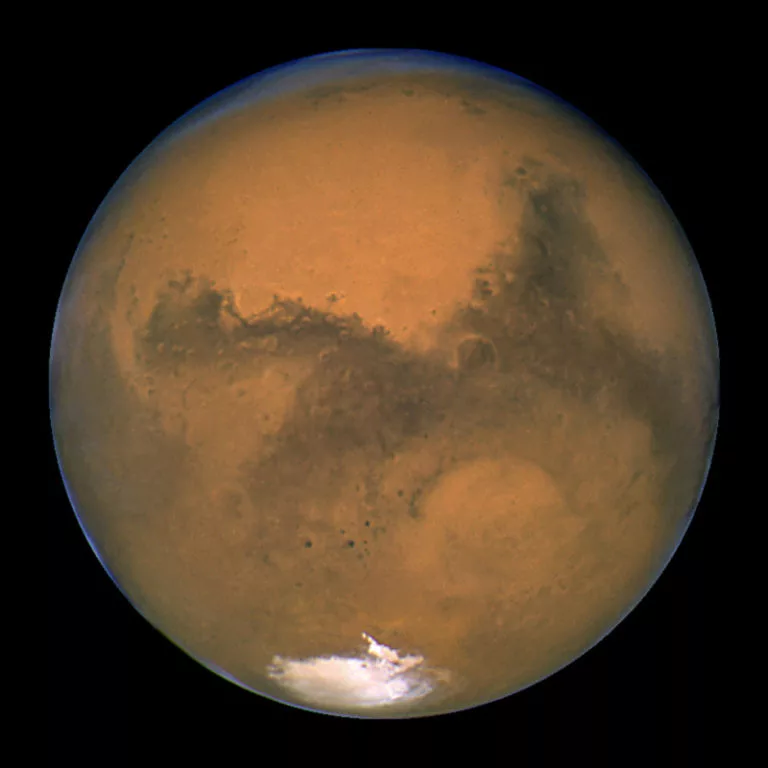
Bruce Betts reports on the status of the current and future Mars program and on acronyms from a meeting of NASA's MEPAG (Mars Exploration Analysis Program Analysis Group).

Deep Impact targets possible 2020 asteroid flyby
Yesterday, Deep Impact performed a trajectory correction maneuver, firing its thrusters to line up for a flyby seven years from now. Here's a preview of that encounter.
Curiosity Update, sol 57: Digging in at Rocknest
Engineers requested that Curiosity be driven to a

Curiosity catches sunspots along with Phobos and Deimos transits
Curiosity has been shooting photos of the Sun as Phobos and Deimos cross its face, and -- as far as I can tell -- captured sunspots as well.
Mars Exploration Rovers Update: Opportunity Finds Thrill of Newberries on Matijevic Hill
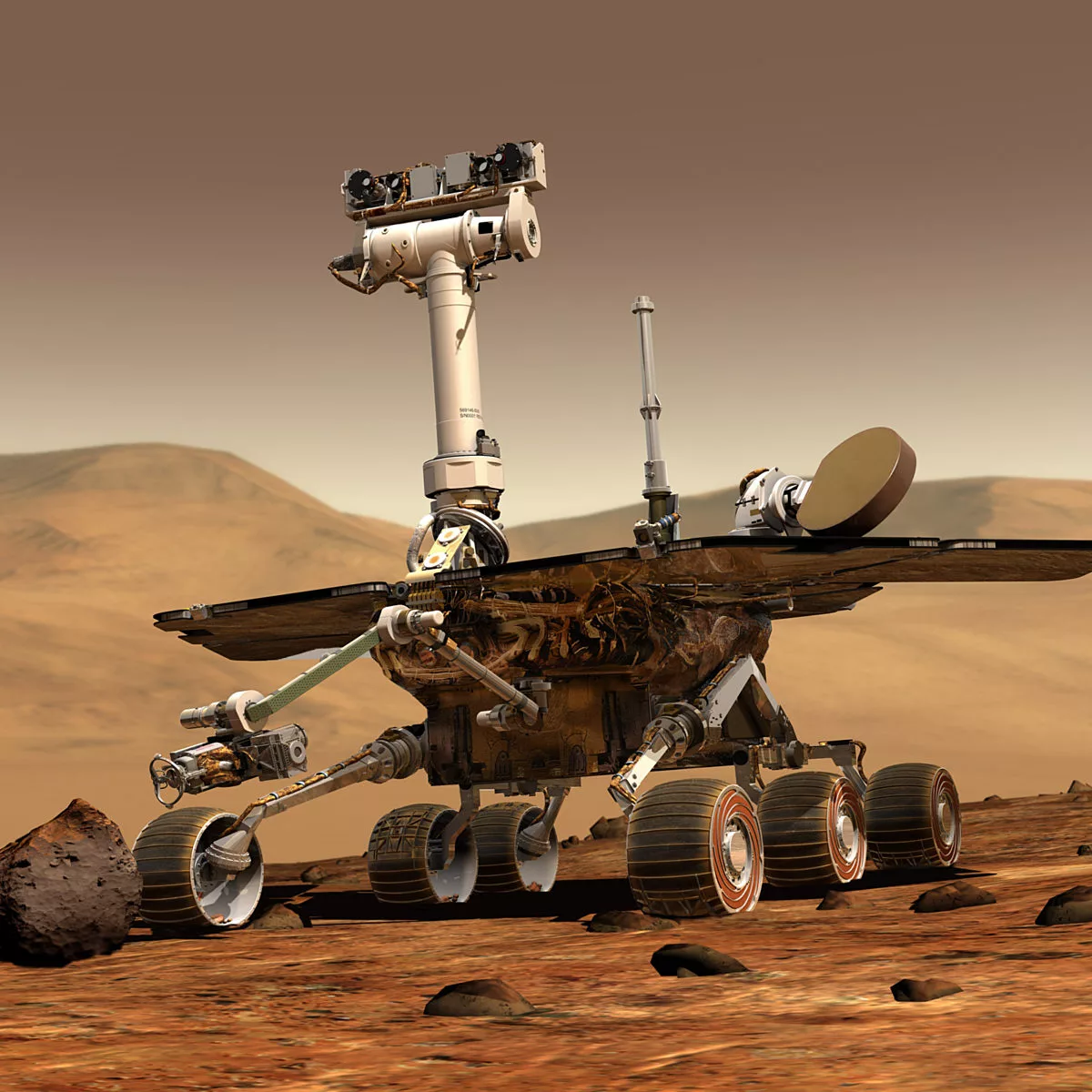
On reconnaissance of Matijevic Hill, Opportunity has driven right into another Martian mystery, compete with new kinds of “berries,
Beautiful rocks ahead at Glenelg, but first, Curiosity must dig in the sand
A beautiful panoramic view of the varied rocks of Glenelg has been transmitted from Curiosity on Mars. But before going any further, it's time to run the first Martian sand through the soil sampling system.