

 Explore Worlds
 Find Life
 Defend Earth


All
All
 Sun
Sun Mercury
 Venus
Venus Earth
Earth Mars
Mars Jupiter
 Saturn
 Uranus
 Neptune
 Small Bodies
Stories, updates, insights, and original analysis from The Planetary Society.

Will We Lose Cassini’s "New" Mission at Saturn to Budget Cuts?
NASA’s shrinking budgets for planetary exploration may force it to decide between continued funding for the Saturn Cassini mission and the continued funding for its Mars missions.

Cosmos with Cosmos Episode 5: Blues for a Red Planet
Episode 5 focuses on Mars, the planet that has stubbornly refused to conform to the wishes of humanity for hundreds of years, from Lowell to Sagan. Grab your cosmo and join our discussion of 'Blues for a Red Planet.'

Science Against the Storm
In the face of disaster, the search for answers and ways to help continues, on the ground and in space.

Neptune: The new amateur boundary?
Can features on Neptune be observed by amateur astronomers? For years, the Hubble Space Telescope and some professional terrestrial observatories have been revealing incomplete belts and spots on the surface of Neptune. Now, spots have been imaged by amateurs.

The solar eclipse in Africa seen from space
On Sunday, the shadow of the Moon passed across Africa and the Atlantic Ocean. This was the last solar eclipse of the year. The Elektro-L satellite was able to observe the eclipse, and we can see the darkness of the lunar shadow covering Africa.
Cosmos with Cosmos Episode 4: Heaven & Hell
Humans face the consequences of our own knowledge about the cosmos in this latest episode recap and analysis of Carl Sagan's classic series.
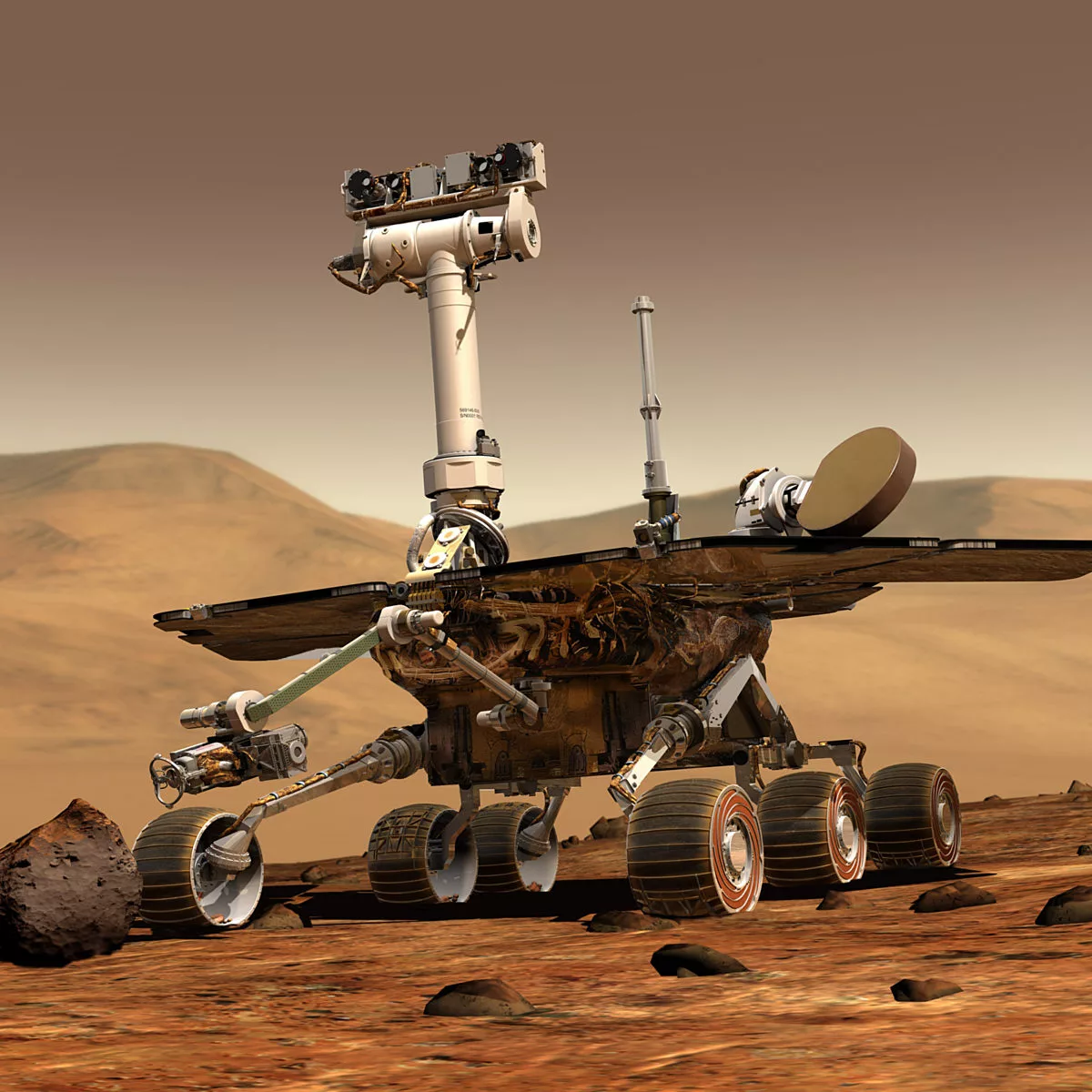
Mars Exploration Rovers Update: Opportunity Gets Back to the Past at Winter Site
As fall began to give way to winter at Endeavour Crater, Opportunity cruised deeper into her campsite on the western side of Solander Point in October, heading for a site that may contain clay minerals and the rover's next big discovery, and the Mars Exploration Rovers mission trekked another month closer to its 10th anniversary in January 2014.

PLANETARY RADIO LIVE: MAVEN Launches for Mars
Host Mat Kaplan will be joined by Bill Nye the Science Guy, Bruce Betts and Emily Lakdawalla for this special live event.

Why does ISON look green?
You may have noticed that Comet ISON appears to have a green halo in some recent images, but in other images acquired at about the same time, it doesn’t. Thanks to the beautiful new spectrum posted earlier today by Christian Buil, it’s relatively easy to understand why.
Field Report From Mars: Sol 3467 - October 24, 2013
On sol 3451 Opportunity began its climb of Solander Point. This is the highest “mountain” that Opportunity has tried to climb yet.

Noachian, Hesperian, and Amazonian, oh my! --Mars' Geologic Time Scale
The Martian Geologic Time Scale is a lot more complicated than the Moon's.

One More U.N. Step Forward on NEOs
This week, the United Nations will move one step closer to an international response to the threat from near Earth objects (NEOs).

New opportunity to name an asteroid!
The Space Generation Advisory Council (SGAC) has just announced a new asteroid naming competition, open to anyone, so if you've ever wanted to name an asteroid, now's your chance.

Curiosity update: Roving through the shutdown toward Waypoint 2, sols 388-432
After a brief science stop at Darwin (formerly known as Waypoint 1), Curiosity has driven hundreds of meters toward Mount Sharp. Autumn has come to Curiosity's southern hemisphere location, bringing lower temperatures. That means more power is required to heat rover actuators, leaving less power for science along the drive.

The Strangest Place on the Moon?
A closer look at the odd lunar feature called

Uranus Awaits
It’s been a long time since anyone paid Uranus a visit. The Uranus system is, however, fascinating, as evidenced by the wealth of topics covered by the diverse group of planetary scientists who gathered to discuss it last week at the Paris Observatory.
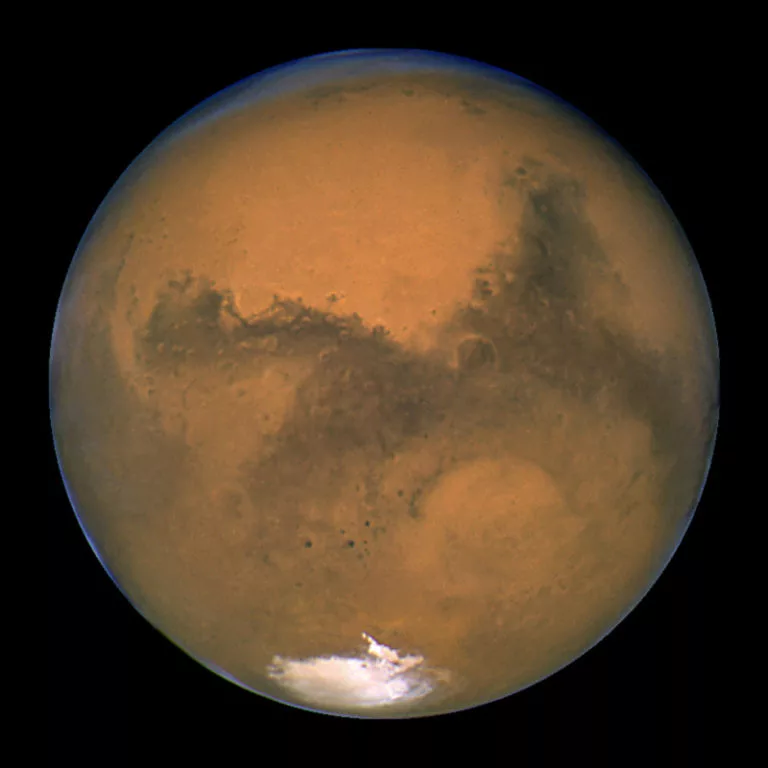
How I Gave My Preschool Class Mars Fever
It all started when we read a book called, There's Nothing to Do on Mars, by Chris Gall. And then something wonderful happened.

DPS 2013: The fascination of tiny worlds
In which I summarize Joe Veverka's Kuiper Prize talk at the Division for Planetary Sciences meeting:

Juno is in Safe Mode again, but still okay
After entering safe mode last week during its Earth flyby, Juno returned to normal operations and downlinked all engineering and science instrument data. It entered safe mode again on Sunday night, but it is expected to re-resume normal operations late next week.

One for the history books: Stunning Saturn mosaic captured last week by Cassini
I try to be measured in my praise for spacecraft images. Not every photo can be the greatest space image ever. But this enormous mosaic showing the flattened globe of Saturn floating within the complete disk of its rings must surely be counted among the great images of the Cassini mission.