

 Explore Worlds
 Find Life
 Defend Earth


All
All
 Sun
Sun Mercury
 Venus
Venus Earth
Earth Mars
Mars Jupiter
 Saturn
 Uranus
 Neptune
 Small Bodies
Stories, updates, insights, and original analysis from The Planetary Society.
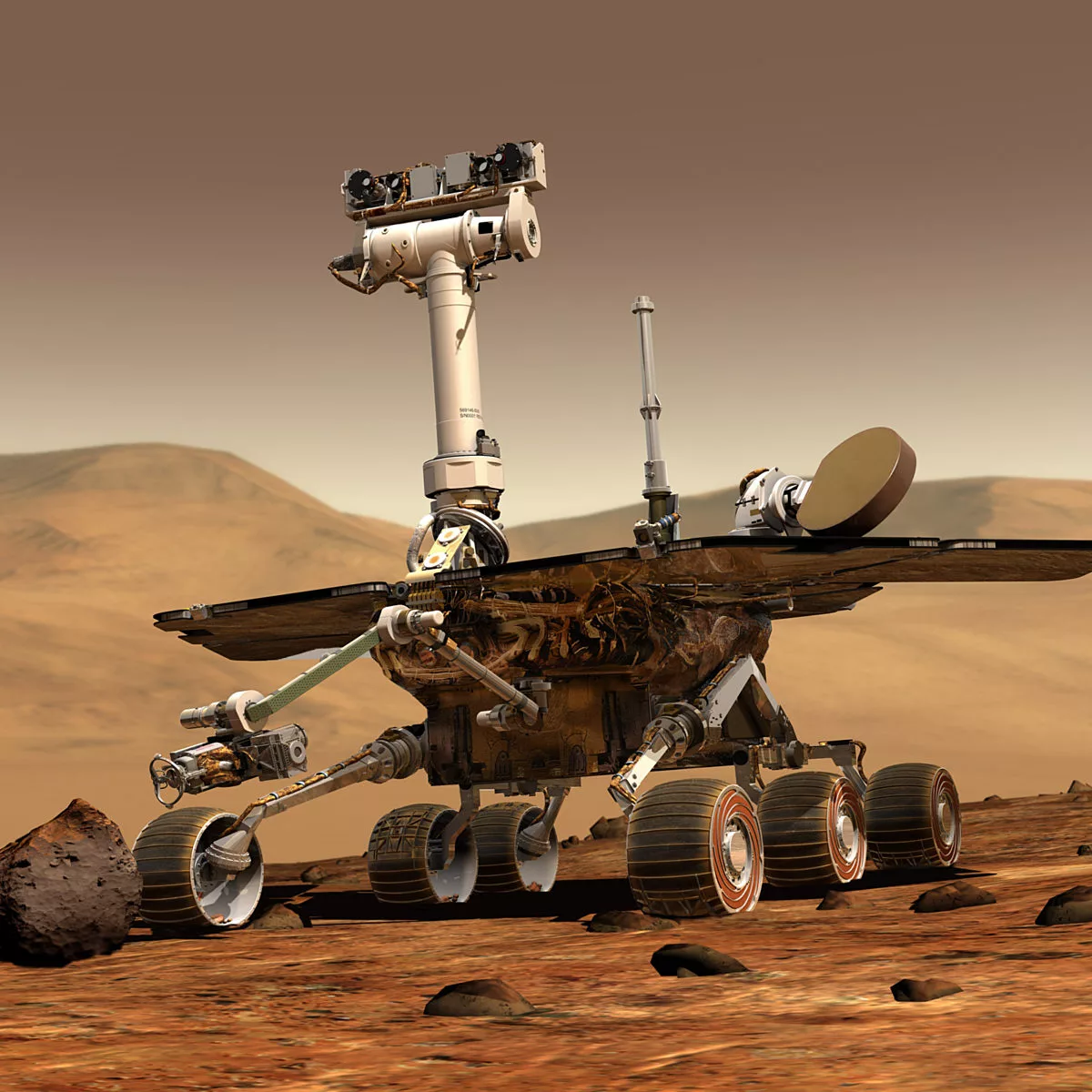
Mars Exploration Rovers Update: Opportunity Suffers Unwanted Computer Reboots, Hunkers Down for Reformat
After setting the new off-Earth rover distance record in July, Opportunity roved on in August, driving south along the eastern edge of Endeavour Crater's western rim to Wdowiak Ridge on its journey to the next big destination, Marathon Valley.

Cassini's awesomeness fully funded through mission's dramatic end in 2017
Last year, rumors swirled that NASA may be so pinched for dollars that the agency might end the Cassini mission early. Today, Cassini received the welcome news that it has formally been funded through the planned end of its extended-extended mission in 2017. A huge congratulations to the Cassini mission!

Dawn Journal: From HAMO to LAMO and Beyond
Marc Rayman updates us on the Dawn mission, its plans from high to low altitude mapping orbits at Ceres, and what the intrepid spacecraft will pursue next.

ESA invites amateurs to produce portraits of comet 67P
After a pause of about a week in daily image releases from Rosetta, ESA has begun sharing four-image sets of photos of comet Churyumov-Gerasimenko and invited the public to help produce pretty pictures from them.

The Pivotal Discovery You’ve Probably Never Heard Of
Karl Battams highlights the historic discovery, by an Air Force satellite, of a sungrazing comet.

The Birth of the Modern Universe
Amir Alexander reviews Alan Hirshfeld's newest book,

Canadian Mars Analogue Mission: Field Report, Week 2
Tanya Harrison wraps up the final week of Mars sample return analogue mission operations at the Canadian Space Agency.

Rosetta identifies five possible landing sites for Philae
The Rosetta team has announced the selection of five regions on Churyumov-Gerasimenko that they will study as possible landing sites for little Philae. Now, as Rosetta surveys the comet from its second triangular

Europa: How Less Can Be More
Van Kane explains three factors that make exploring Europa hard—factors that can make a mission concept that seems like less actually be more.

Cool animations of Phobos transits from Curiosity
Shooting video of a lumpy moon crossing the Sun and turning it into a giant googly eye is not a new activity for Curiosity, but I get a fresh thrill each time I see one of these sequences downlinked from the rover.

Best-ever Neptune mosaics for the 25th anniversary of Voyager 2's flyby
In honor of the 25th anniversary of the Voyager 2 flyby of Neptune, image magician Björn Jónsson has produced two new global mosaics of the distant ice giant, the highest-resolution ever made.

Philae landing site selection process under way as Rosetta closes to within 60 kilometers of the comet
Rosetta spent the week transitioning to a lower orbit from which it continues to observe the comet. This weekend, the mission will select about five landing sites for more detailed study. They have also now estimated the mass of the comet.

Curiosity update, sols 697-726: Mars thwarts driving and drilling
The Mars gremlins really had it in for Curiosity this month. A computer glitch and slippery sand conspired to delay the rover's progress toward Mount Sharp. And shifting rocks proved unsafe for drilling. The rover will continue driving toward Mount Sharp, departing Bonanza King without drilling, skirting Hidden Valley along a plateau to its north.

Comet Flyby Missions for Mars Rovers
On October 19, the Mars rovers — like their orbiting cousins — will become comet flyby missions. Comet C/2013 A1 (Siding Spring) will pass within 140,000 km of Mars.

Canadian Mars Analogue Mission: Field Report, Week 1
Tanya Harrison reports on Canada's efforts to simulate a Mars sample return mission here on Earth.
Curiosity wheel damage: The problem and solutions
Now that a Tiger Team has assessed the nature and causes of damage to Curiosity's wheels, I can finally answer your frequently-asked questions about what wheel damage means for the mission, and why it wasn't anticipated.
Field Report From Mars: Sol 3753 – August 15, 2014
Opportunity just completed its first drives upslope on its long journey toward the crest of the highest rim segment of Endeavour crater, “Cape Tribulation.” Larry Crumpler gives us an update on what to expect next from the little rover that could.
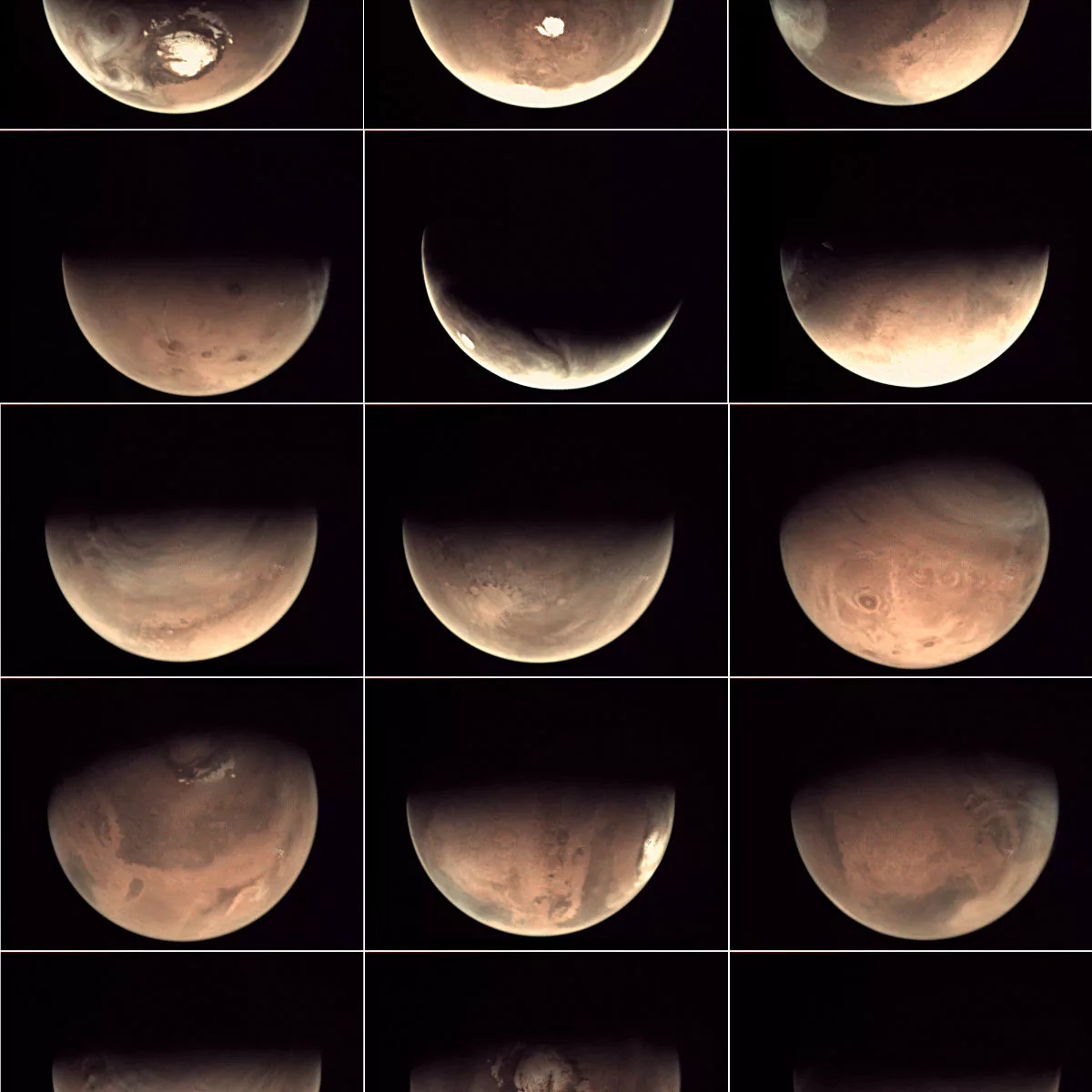
New Postcards from Mars
The latest snaphots from the
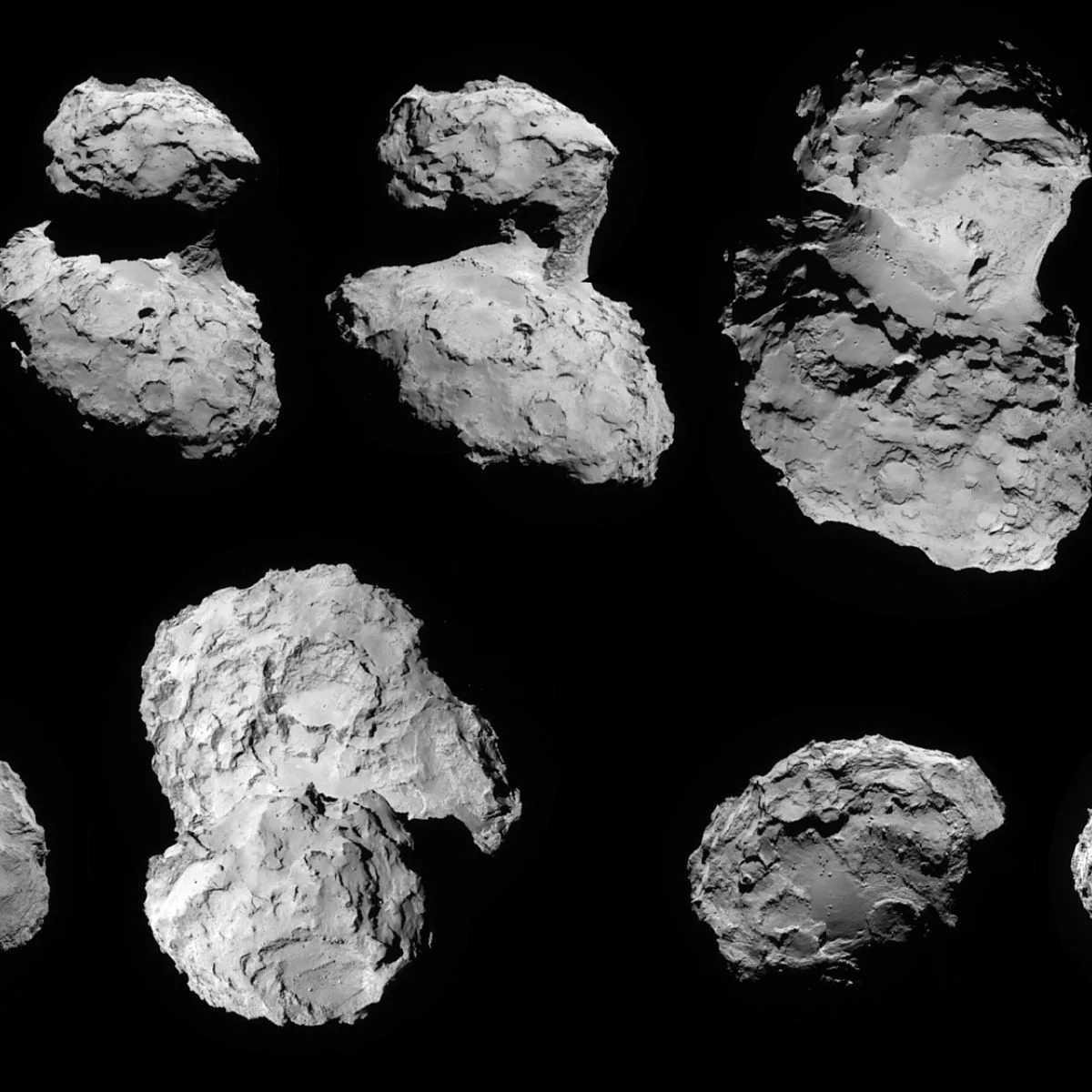
Finding my way around comet Churyumov-Gerasimenko
Rosetta has nearly completed its first funky three-cornered orbit in front of the comet. Each day we're getting views of the nucleus from more directions. I step you through Churyumov-Gerasimenko's geography.

Mars orbiters plan for their October encounter with comet Siding Spring
Now that we have reasonable confidence that our Mars orbiters will be safe from the close passage of comet Siding Spring, we are free to be excited about the opportunity that the encounter represents. At a community workshop on August 11, representatives from Mars missions shared their plans for great comet science.