

 Explore Worlds
 Find Life
 Defend Earth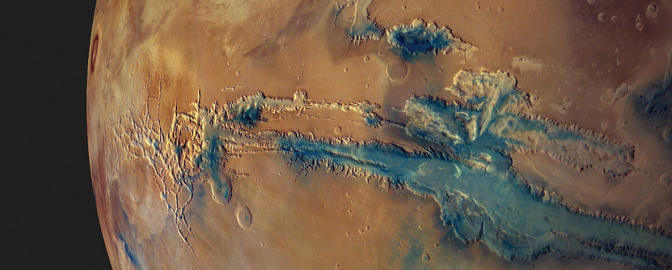


The Planetary Society's Best of 2025 Winners

Written by
Kate Howells
Public Education Specialist, The Planetary Society
December 2, 2025
Throughout November, Planetary Society members and audiences around the world voted for this year’s best space exploration images, achievements, and more. There were some very close races, but the winners have been chosen! Here are the official results of the Best of 2025.
Best space exploration image

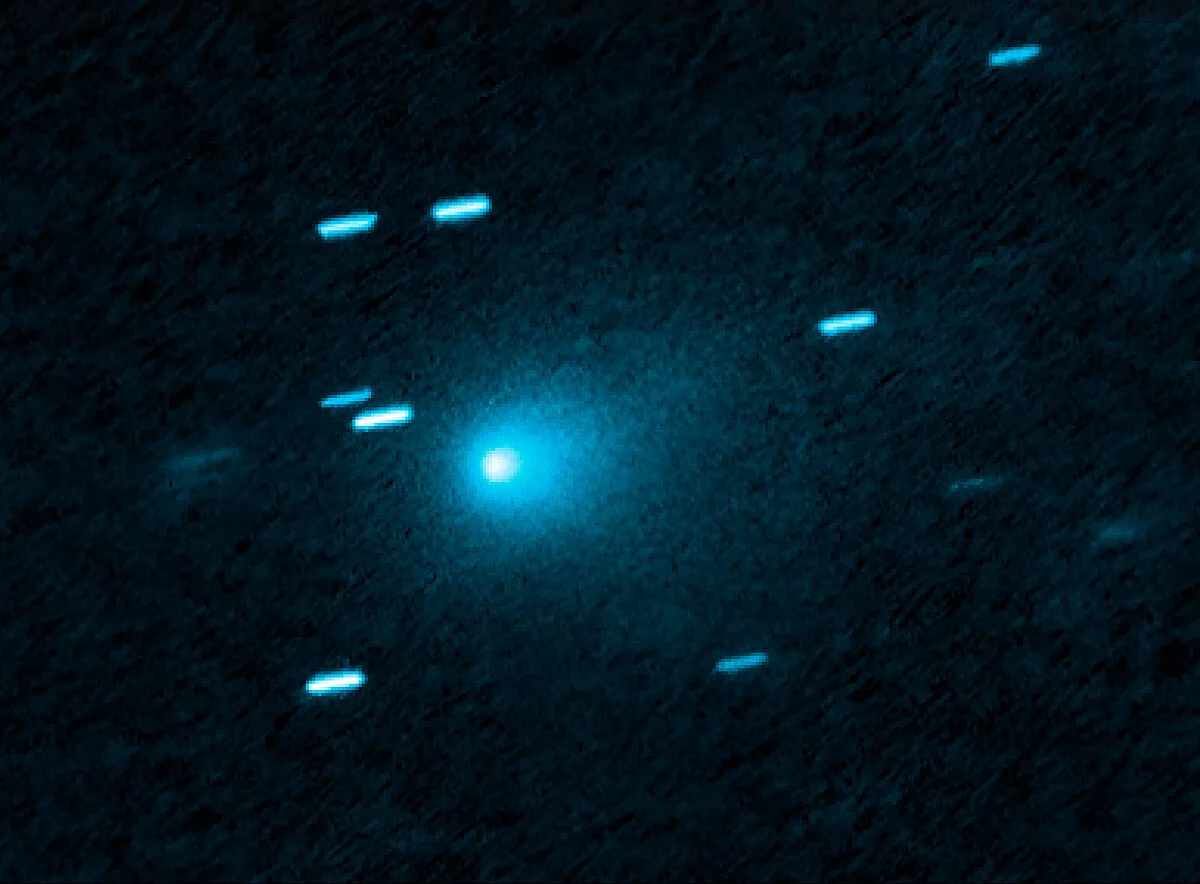
Best performance by a celestial body
3I/ATLAS became the third confirmed interstellar object ever discovered in our Solar System. This visitor from the great beyond zoomed into the astronomical spotlight when it was discovered in July 2025.
Best performance by a space science mission
Perseverance found a possible sign of ancient Martian life.
NASA’s Perseverance Mars rover found a rock on Mars last year, called “Cheyava Falls,” that is covered in patterns of “leopard spots” that may have formed through chemical reactions known to fuel life. On Sept. 10, 2025, NASA announced that researchers studying this find couldn’t find any strong evidence for non-living alternatives for producing those patterns.

Best “Fact Worth Sharing” from our weekly Downlink newsletter
This year, the Parker Solar Probe made an ultra-close pass of the Sun that sped it up to record-breaking speeds. At its fastest, it traveled at a staggering 692,000 kilometers per hour (430,000 miles per hour), or about 192 kilometers per second (119 miles per second).
Watch the Closest Footage of the Sun’s Atmosphere Ever Bill Nye comments over real footage from inside the Sun's corona from the Parker Solar Probe.
Best Planetary Society accomplishment (thanks to the support of our members!)
Relentlessly advocating for NASA year-round.
Throughout 2025, The Planetary Society and our members have worked nonstop to speak up for NASA and the missions that deliver so much value to our lives. We are proud of the achievements this work has brought about, and we are grateful to our members and supporters for speaking up with us. You can see the latest developments and take action in support of NASA at planetary.org/save-nasa-science.

Did your favorites win? Do you think other moments from 2025 deserved the spotlight? Share your thoughts in The Planetary Society’s online member community. This is where space enthusiasts come together to share and discuss the latest in space science, exploration, and much more. It’s exclusive to Planetary Society members, so join us today if you haven’t already!
You Power the Next Great Discovery!
Fund future scientific research that advances space science and exploration with your gift today.
Donate