

 Explore Worlds
 Find Life
 Defend Earth

Planetary Radio Episodes
Since 2002, Planetary Radio has visited with a scientist, engineer, project manager, advocate, or writer who provides a unique perspective on the quest for knowledge about our Solar System and beyond. The full show archive is available for free.

Jared Head, museum facilitator at Columbia Memorial Space Center and co-host of All Space Considered at Griffith Observatory, breaks down how a SpaceX Falcon 9 upper stage ended up crashing into the Moon. Plus, Planetary Society staff reflect on the 2026 total solar eclipse in Spain and share an update on the fight to save NASA science.

Astrophotographer Andrew McCarthy and bioacoustics researcher David Mann, join Planetary Radio to talk about the August 12th total solar eclipse and how birds responded to totality.

Green Bank, West Virginia, bans cell phones and Wi-Fi, so that its giant radio telescope can listen undisturbed. This week, Senior Communications Advisor Mat Kaplan talks with director Katie Dellamaggiore and physicist Ellie White about the documentary "Small Town Universe," and Public Education Specialist Kate Howells previews August's total solar eclipse.

Host Sarah Al-Ahmed speaks with David McComas, principal investigator of IMAP and IBEX, and Matina Gkioulidou, IMAP project scientist, about how energetic neutral atoms let us map the heliosphere.

Linda Spilker, project scientist for the Voyager mission, explains what Voyager has revealed about the heliopause and the Solar System’s outer edge.

Historian Dagomar Degroot joins Planetary Radio to discuss his new book, “Ripples on the Cosmic Ocean: An Environmental History of Our Place in the Solar System,” which reveals how events across the Solar System have shaped life on Earth.

Amy Jurewicz, former project scientist for NASA’s Genesis mission, shares how the spacecraft survived a crash-landing and still reshaped our understanding of the solar wind and space weather.

The Planetary Society team reviews the best space moments of 2024, from the China National Space Administration's return of samples from the far side of the Moon to the triumphant launch of NASA's Europa Clipper mission.

We explore recent solar activity and discoveries from NASA's Parker Solar Probe with Nour Rawafi, the mission's project scientist.

This week on Planetary Radio we take a trip to The Planetary Society’s Eclipse-O-Rama festival in Fredericksburg, Texas, where hundreds gathered to witness the April 8 total solar eclipse.

Planetary Radio marks its last show before the Apr. 8 total solar eclipse with a look back at discoveries made during totality.

Ron Benner, the President of the American Optometric Association, and astrophotographer Andrew McCarthy give helpful tips for safely observing the upcoming total solar eclipse in North America.

Jim Bell, a professor from the School of Earth and Space Exploration at Arizona State University and former president of The Planetary Society's Board of Directors, shares captivating tales from his global eclipse-chasing journeys.
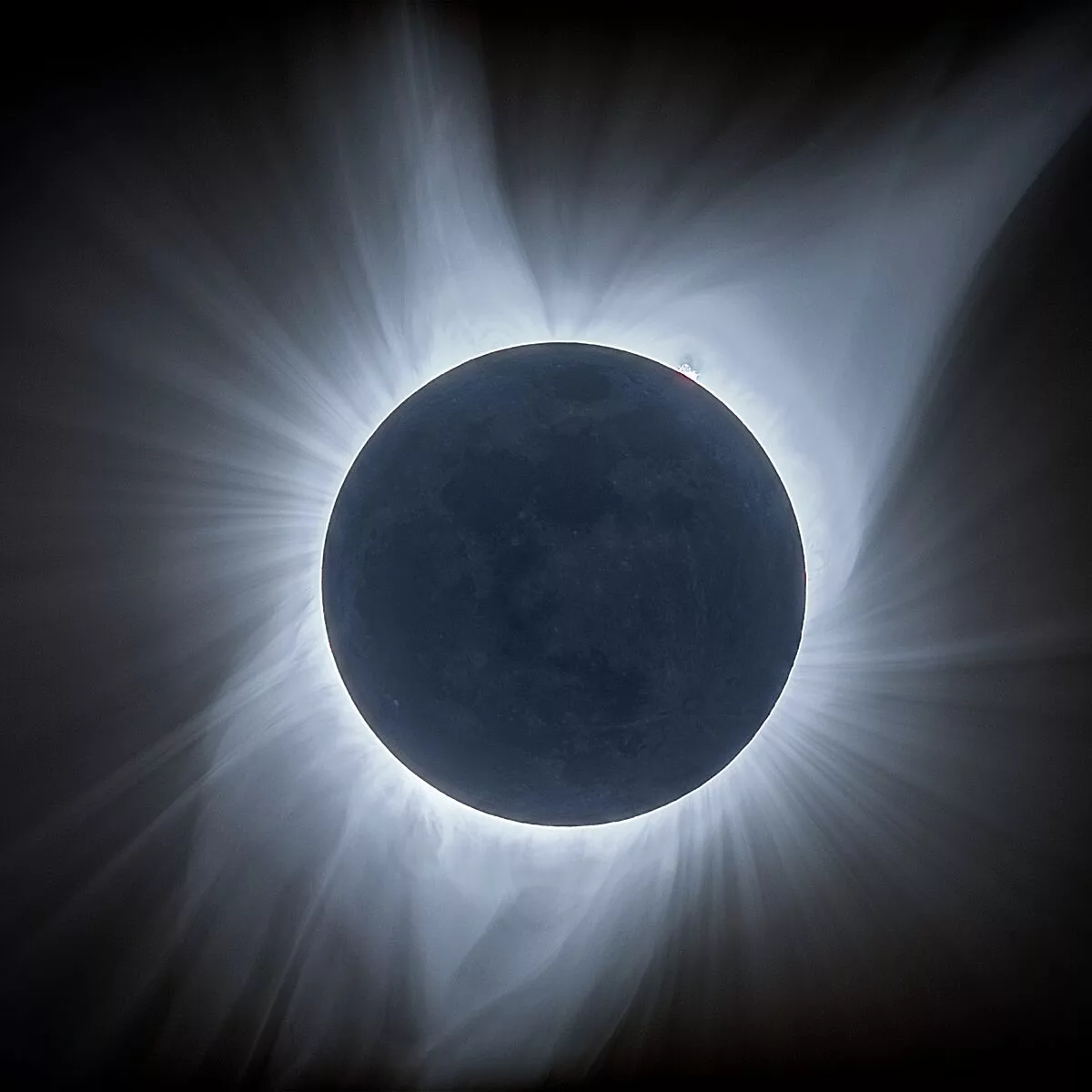
Ed Krupp, the director of Griffith Observatory in Los Angeles, shares insights from the fascinating field of archaeoastronomy.
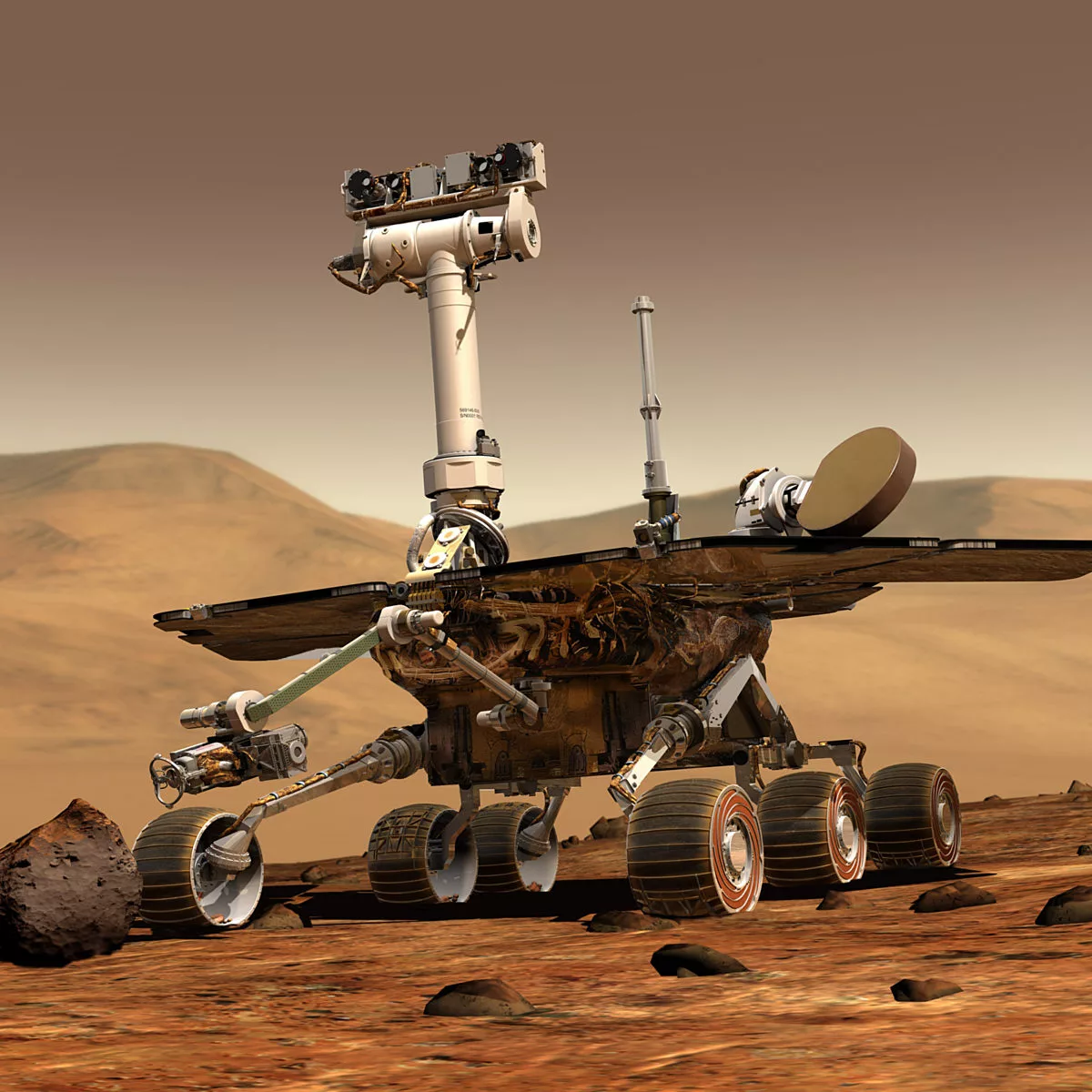
Matt Golombek, project scientist for the Mars Exploration Rover Project, joins Planetary Radio to celebrate the 20th anniversary of the landing of the Spirit and Opportunity rovers on Mars.
Jesse Tomlinson and Stephen Watkins from The Eclipse Company join Planetary Radio to talk about their partnership with The Planetary Society and the launch of their new eclipse map for the upcoming 2024 total solar eclipse in North America.

The InSight RISE instrument's principal investigator, Sebastien Le Maistre, from the Royal Observatory of Belgium, joins Planetary Radio to discuss Mars' increased rotation speed.

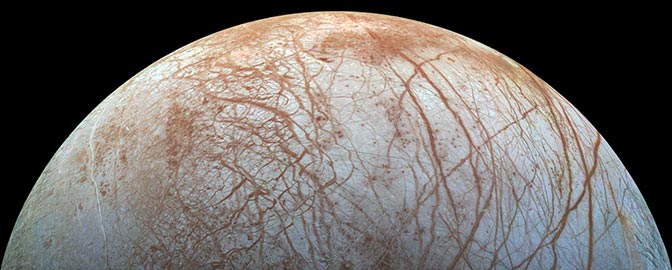
Kevin Trinh from Arizona State University joins Planetary Radio to discuss his research into Europa's formation history and the consequences for the moon's habitability.
James Drake from the University of Maryland joins Planetary Radio to talk about the latest results from NASA's Parker Solar Probe as it soars closer to our star than any spacecraft in history.

A spacecraft has penetrated the Sun’s corona for the first time, revealing unprecedented data and capturing a mind-blowing video.