

 Explore Worlds
 Find Life
 Defend Earth


Planetary Radio Episodes
Since 2002, Planetary Radio has visited with a scientist, engineer, project manager, advocate, or writer who provides a unique perspective on the quest for knowledge about our Solar System and beyond. The full show archive is available for free.

Casey Dreier, chief of space policy at The Planetary Society, sits down with Rebecca Lowe, philosophy senior fellow at the Mercatus Center at George Mason University, to explore why human presence in space is so different from robotic missions, and why that difference matters.

The Artemis II crew has returned home safely after a historic journey around the Moon. We celebrate some of the most extraordinary moments from the mission. Meanwhile, back on Earth, the new Presidential Budget Request proposes a 47% cut to NASA's science budget, threatening 84 missions.

Lisa Carnell, Director of NASA's Biological and Physical Sciences Division, explains AVATAR, the experiment flying organ chips grown from astronaut cells on Artemis II. Then, asteroid hunter Alain Maury tells the story of discovering a sungrazing comet that could become one of the most spectacular in decades.

Steve Platts, chief scientist of NASA’s Human Research Program walks us through the health experiments aboard Artemis II, followed by Planetary Society Chief of Space Policy Casey Dreier on NASA's Ignition Day announcements.

NASA has restructured the Artemis program, shifting Artemis III from a planned lunar landing to a low-Earth-orbit systems test following the rollback of Artemis II. We hear remarks from NASA leadership and break down what the changes mean with Planetary Society space policy experts.
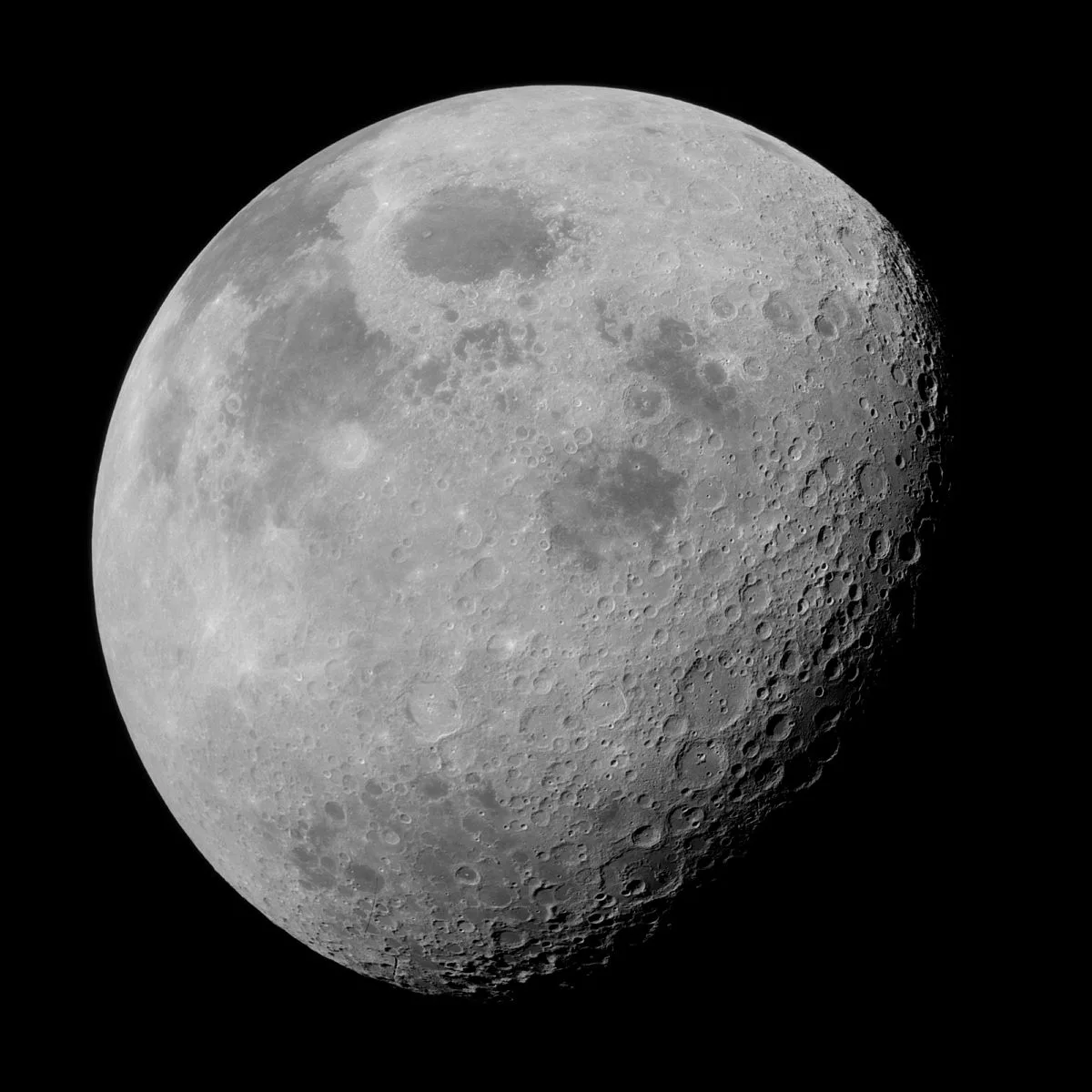
Scientists are using Apollo Moon dust to trace where Earth’s water came from and how our planet became habitable. Planetary scientist Tony Gargano explains how lunar samples reveal the history of ancient impacts, with a short bonus reflection from George Takei on Star Trek and the Artemis era.

This week on Planetary Radio, Sarah Al-Ahmed is joined by Kelsey Young, Artemis Science Flight Operations Lead and lead of the Artemis II Lunar Observations and Imaging Campaign, and Noah Petro, project scientist for Artemis III. Together, they explore how geology and human observation are shaping humanity’s return to the Moon.

The Fiscal Year 2026 congressional budget justification for NASA could mark the beginning of a dark age for NASA science. We examine what’s at stake and how you can help advocate for NASA’s future.

Marcia Smith, founder of Space Policy Online, joins the show to discuss the motivations and risks of pursuing change at NASA - and how much change can ultimately happen with Congress holding the purse strings.

Darby Dyar, the deputy principal investigator for NASA’s VERITAS mission to Venus, returns triumphantly to Planetary Radio to share the story of how space advocates helped save this mission.

We share a conversation from the Humans to Mars Summit about integrating NASA and its partners as humanity looks to build a permanent and sustainable human presence on Mars.

Sabine Stanley, author of the new book "What's Hidden Inside Planets?", discusses some of the amazing things that lie under the surfaces of the worlds in our Solar System.

Steven Smith, an Education Specialist from NASA's Science, Technology, Engineering, and Mathematics (or STEM) Program, joins Planetary Radio to share some of the unique opportunities available for students in the lead-up to humanity's return to the Moon.

Scott Pace, the prior executive secretary of the National Space Council, discusses why Artemis is of strategic value to U.S. national interests — and why the Moon is unique as a destination to drive global space exploration.

Join us as we celebrate the accomplishments of a truly inspiring space mission - the United Arab Emirates' Hope probe, which has spent two amazing years orbiting Mars!

Jeremy Graeber, the assistant launch director at Kennedy Space Center in Florida, joins Planetary Radio to recount his experience on the night of Artemis I’s historic launch.

For his last episode as host, Mat Kaplan welcomes many of his Planetary Society colleagues for a review of a spectacular year of space exploration.

Host Mat Kaplan greets the Orion capsule that has just returned from the Moon, and then presents some of the best of Planetary Radio’s 20 years.

Leaders of several major, international space agencies talked with host Mat Kaplan during the first attempt to launch the Artemis 1 Moon mission.

Join Mat Kaplan and Planetary Society colleagues in Florida for the first attempt to launch the Space Launch System rocket on a mission to the Moon.