

 Explore Worlds
 Find Life
 Defend Earth


All
All
 Sun
Sun Mercury
 Venus
Venus Earth
Earth Mars
Mars Jupiter
 Saturn
 Uranus
 Neptune
 Small Bodies
Stories, updates, insights, and original analysis from The Planetary Society.

Watch Hayabusa2's incredible touchdown on asteroid Ryugu
The spacecraft fired a bullet into the surface and unleashed a massive spray of debris.

100 Planetary Society Members. 25 States. 1 Day of Action.
Society members from across the United States came to Washington, D.C. on their own dime to advocate for space science and exploration.

Crew Dragon Successfully Docks to International Space Station
Docking occurred slightly ahead of schedule at 5:51 EST (10:51 UTC).

Crew Dragon Safely on the Way to International Space Station
SpaceX's Crew Dragon has successfully launched on its maiden voyage! It will dock with the ISS tomorrow.

InSight Update, Sol 92: The Mole Did Hit a Rock
The HP3 mole started hammering itself today, and almost immediately (after just 5 minutes) appears to have encountered a rock. No matter; they'll try again Saturday.

Fun With a New Data Set: The OSIRIS-REx Earth Flyby
The OSIRIS-REx team recently issued their first data release to the Planetary Data System. This release doesn’t include any closeup pictures of asteroid Bennu, but it does include all the pictures they took during their September 2017 Earth flyby.

Beresheet Overcomes Early Glitches, Continues Journey to the Moon
The spacecraft performed its second engine burn, raising the highest point of its orbit to more than a third of the way to the Moon.

What to expect when Crew Dragon launches to the International Space Station
SpaceX's Crew Dragon is scheduled to blast off for a 6-day, uncrewed test flight on 2 March at 02:49 EST (07:49 UTC).

Practicing Mars 2020 rover operations, on Earth
Jeff Johnson files a report from ROASTT, the Rover Operations Activities for Science Team Training.

Pretty Pictures of the Cosmos: Hidden Gems
Award-winning astrophotographer Adam Block shares of his latest views of our universe.

Hayabusa2 has touched down on Ryugu!
Touchdown occurred at about 22:49 UTC on 21 February, and the spacecraft is healthy.

Beresheet has launched!
SpaceIL's Beresheet spacecraft is on its way to the Moon following a successful launch atop a SpaceX Falcon 9 rocket from Florida.

NASA’s Lucy mission gets caught in a fight between rocket companies
SpaceX says it wants to save NASA money, but its actions could cost taxpayers more in the end.

InSight update, sols 43-83: Instrument placement complete
InSight has placed its second science instrument on the ground and set it free. Now it's time to bury the heat probe in the soil.
What to expect when Hayabusa2 collects a sample from Ryugu
More than 4 years after launch and a half year surveying asteroid Ryugu, Japan's Hayabusa2 spacecraft is ready for sample collection.

What to expect when Beresheet launches to (and lands on) the Moon
Launch day is almost here for the small lunar lander built by Israeli non-profit SpaceIL.

NASA just got its best budget in a decade
After months of unrelated political turmoil, multiple stop-gap spending bills, and an unprecedented government shutdown, NASA's 2019 budget was finally signed into law.
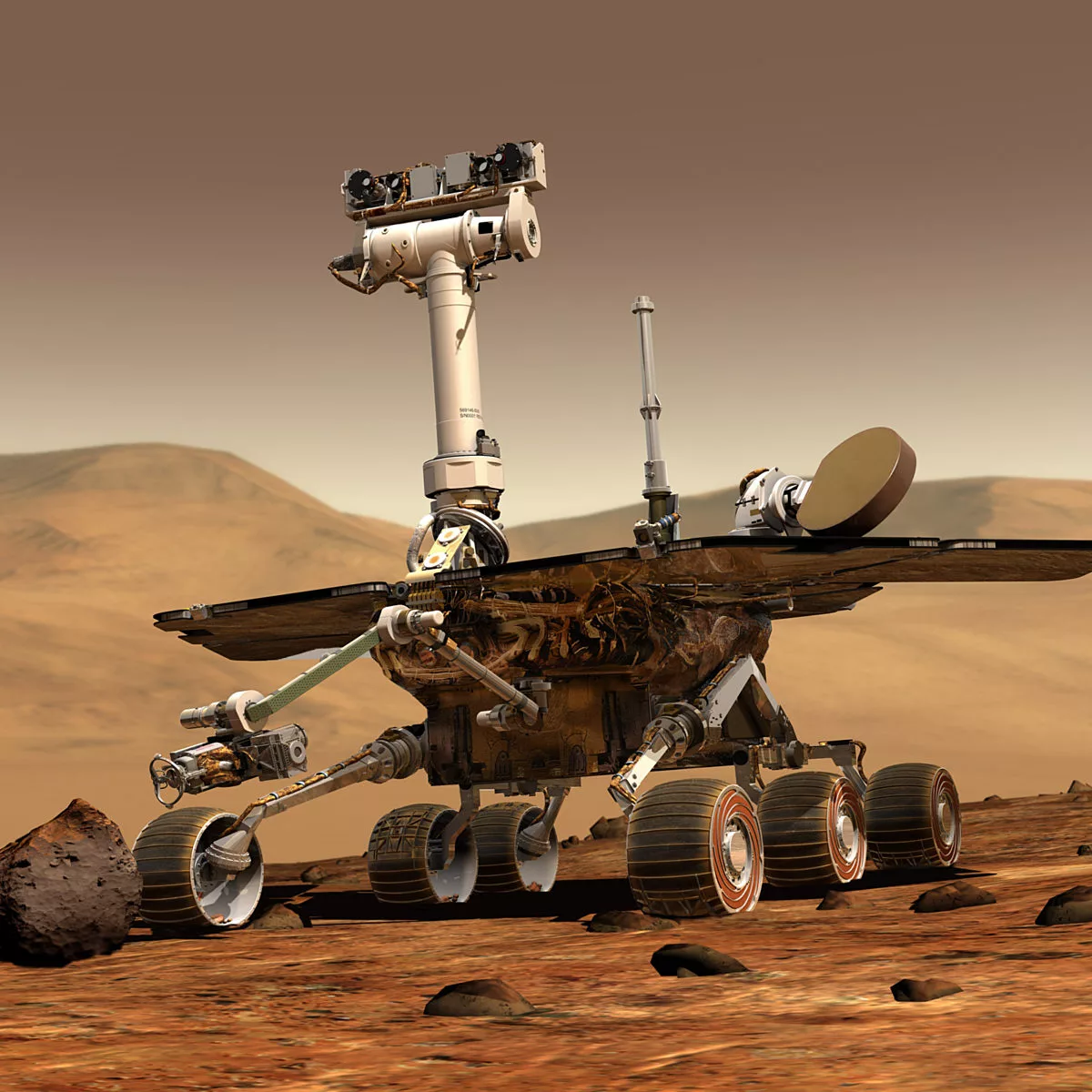
The Mars Exploration Rovers Update Special Report: NASA Declares Opportunity and MER Mission 'Complete'
At around 8 pm February 12, 2019, Pacific Standard Time (PST), the final commands were transmitted to Opportunity, the Mars Exploration Rover that defied all odds.

Planetary Radio: 10 Must-Listen Episodes About Space Exploration
The Planetary Society staff has selected our top ten favorite episodes of Planetary Radio. Listen now.

Touchdown for InSight's Heat Probe
InSight has gone two for two, placing the second of its instruments gently on the Martian ground.