

 Explore Worlds
 Find Life
 Defend Earth


All
All
 Sun
Sun Mercury
 Venus
Venus Earth
Earth Mars
Mars Jupiter
 Saturn
 Uranus
 Neptune
 Small Bodies
Stories, updates, insights, and original analysis from The Planetary Society.

Dawn Journal: Adaptations
On the other side of the solar system, invisible by virtue both of the blinding glare of the sun and by the vastness of the distance, Dawn is continuing its remarkable cosmic adventure.

Pretty Pictures of the Cosmos: Waltzing Through the Universe
Award-winning astrophotographer Adam Block brings us more of his stunning images of the universe—this time of cosmic dances through space.
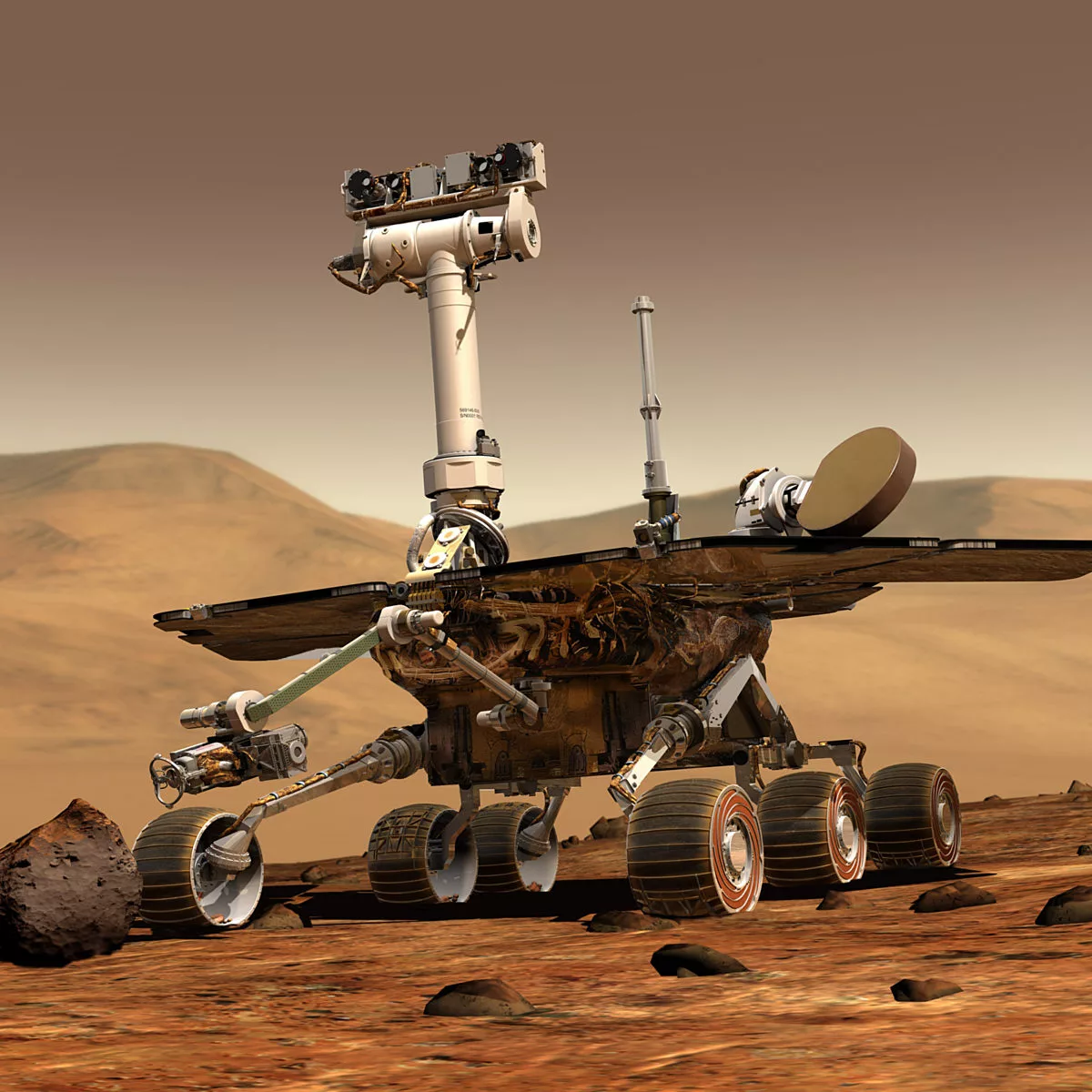
Field Report from Mars: Sol 4734
Opportunity has arrived at the head of Perseverance Valley—a possible water-cut valley.

Saturn's small satellites, to scale
Emily shares another of her popular size comparisons of solar system bodies, taking advantage of Cassini's recent views of Saturn's tiniest moons.

Cassini's 'Grand Finale' Portrait of Saturn
Amateur image processor Ian Regan shares a stunning mosaic of Saturn in all its ringed glory.

Jupiter from New Horizons
Using new image processing techniques, Alex Parker brings new life to an old image of Jupiter captured by the New Horizons mission on its way to Pluto over a decade ago.

Geology on Mars: Using stratigraphic columns to tell the story of Gale Crater
Stratigraphic columns are a basic tool in geology, used on both Earth and Mars to tell the story of a location. But what are they really?

Radar in Earth and Planetary Science, Part 2
Heather Hunter brings us the next installment in her series on radio detection and ranging.

A journey to Jupiter: Amateur astronomers create 1,000-image video of planet in motion
Peter Rosén shares an amazing animation of Jupiter made from more than 1,000 images taken by 91 amateurs from around the world.

Saturn and Titan in the Milky Way
An unusual photo of Saturn by astrophotographer Damian Peach shows the planet and its largest moon nestled among the star-filled lane of the Milky Way.

HERA crewmember shares thoughts ahead of simulated 45-day asteroid mission
Tonight, a four-person crew will seal themselves inside a three-story habitat at NASA's Johnson Space Center, kicking off a simulated 45-day mission to an asteroid. One crewmember shares his thoughts before entering.
Field Report from Mars: Sol 4718
Opportunity has made the final drive in the month-long process that began way up north inside Endeavour Crater earlier this Earth-year.

The Mars Exploration Rovers Update: Opportunity Closes in on Perseverance Valley
Opportunity spent the month of April 2017 outside the western rim of Endeavour Crater, cruising toward Cape Byron and Perseverance Valley, the centerpiece of its tenth extended mission.

Dawn Journal: On Course for Opposition
The Dawn spacecraft is about to swing into a new orbital path to observe the enigmatic

Trusty Cassini survives first dive between Saturn and its rings
Cheers erupted in the Von Karman auditorium at the Jet Propulsion Laboratory early Thursday morning as a squiggly green line on a graph developed a crisp, tall peak, signifying that the Cassini spacecraft was calling home after surviving its first plunge between Saturn and its ring system.

Curiosity update, sols 1600-1674: The second Bagnold Dunes campaign
The four-stop dune science campaign offered the engineers some time to continue troubleshooting the drill without any pressure to use it for science. They scooped sand at a site called Ogunquit Beach but couldn't complete the planned sample activity because of new developments in the drill inquiry. The rover has now headed onward toward Vera Rubin Ridge.
This weekend, it's the beginning of the end for Cassini
NASA's long-lived Cassini spacecraft is about to buzz Titan for the final time, putting it on course for a spectacular mission finale that concludes in September.

Our asteroid hunters are trying to save the world. Here’s what they’ve been up to
Here are some recent reports from our NEO Shoemaker Grant program asteroid observers, who are quite literally trying to save the world.

Fossils or good-looking rocks? Why searching for life on other worlds is hard
If you find a structure that looks like ancient life, can you be really sure that it is ancient life?
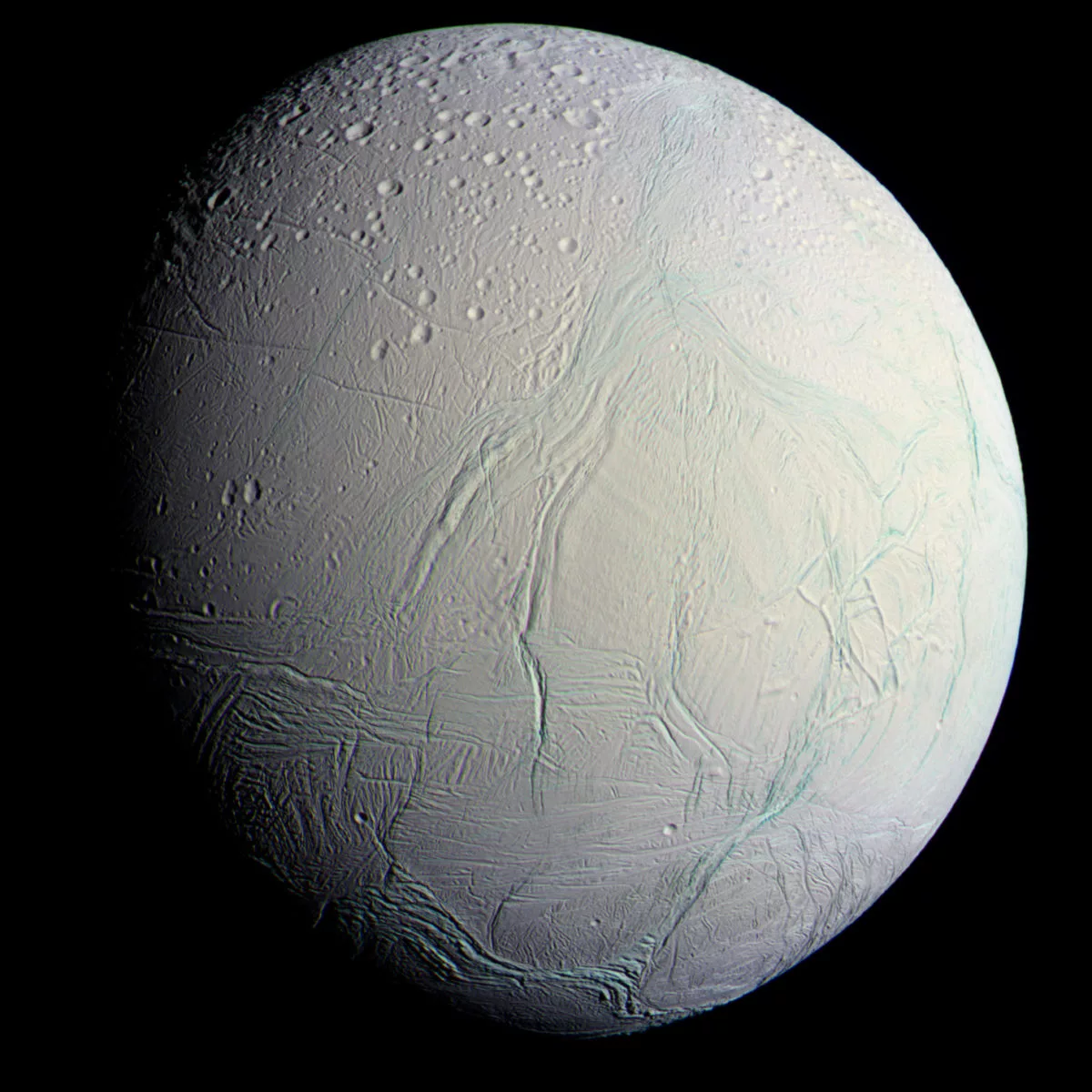
Another smoking gun in the search for life in Enceladus’ ocean
NASA's Cassini spacecraft sniffed out molecular hydrogen spewing from Enceladus' subsurface ocean. The discovery means Saturn's moon has all the basic ingredients needed to support life.