

 Explore Worlds
 Find Life
 Defend Earth


All
All
 Sun
Sun Mercury
 Venus
Venus Earth
Earth Mars
Mars Jupiter
 Saturn
 Uranus
 Neptune
 Small Bodies
Stories, updates, insights, and original analysis from The Planetary Society.

Voyage to Mercury
Elsa Montagnon details the challenges of delivering BepiColombo’s two spacecraft from Earth to Mercury.

Farside Landing and Nearside Sample Return
Long Xiao previews two ambitious Chinese lunar missions, one of which will make the first-ever landing on the far side of the Moon.

Chandrayaan-2
Sriram Bhiravarasu anticipates India’s 2019 lunar venture with an orbiter, lander, and rover.

The September Equinox 2018 Issue of The Planetary Report Is Out!
With my first issue of The Planetary Report as editor, I am taking the magazine open-access. Return to Mercury features articles by Elsa Montagnon on BepiColombo and by Long Xiao on the Chang'e-4 and -5 landers.

Feast your eyes on comet 67P's surface, with depth cues added
Mattias Malmer made it a little easier to figure out what Philae really saw in 2014.

Hayabusa2 stops short of close approach on first touchdown rehearsal
Hayabusa2 didn’t quite make it down to its intended 60-meter distance from asteroid Ryugu yesterday. There is nothing wrong with the spacecraft; it’s healthy and returning to its home position. The team will adjust parameters and give it another try in the future.

The Mars Exploration Rovers Update: NASA Focuses on Recovering Opportunity as Storm Diminishes and Dust Settles
The dust raising power of the storms that wrapped Mars in a cloud in June and July diminished in August. Meanwhile, on Earth, the Opportunity team at NASA’s Jet Propulsion Laboratory reviewed recovery plans, conducted additional simulations, and began wrapping the month with newfound reasons to believe Opportunity can emerge from her hibernation.

Curiosity update, sols 2093-2162: Three tries to successful drill atop Vera Rubin Ridge
Heedless of the (now-dissipating) dust storm, Curiosity has achieved its first successful drill into rocks that form the Vera Rubin ridge, and is hopefully on the way to a second. It took three attempts for Curiosity to find a soft enough spot, with Voyageurs and Ailsa Craig being too tough, but Stoer proved obligingly soft on sol 2136.

Dawn Journal: A Bit of Perspective
Like its human colleagues, Dawn started out on Earth, but now its permanent residence in the solar system, Ceres, is far, far away. Let's bring this cosmic landscape into perspective.

Dawn Journal: Denouement
A fantastic story of adventure, exploration and discovery is reaching its denouement. In the final phase of its long and productive deep-space mission, Dawn is operating flawlessly in orbit around dwarf planet Ceres.
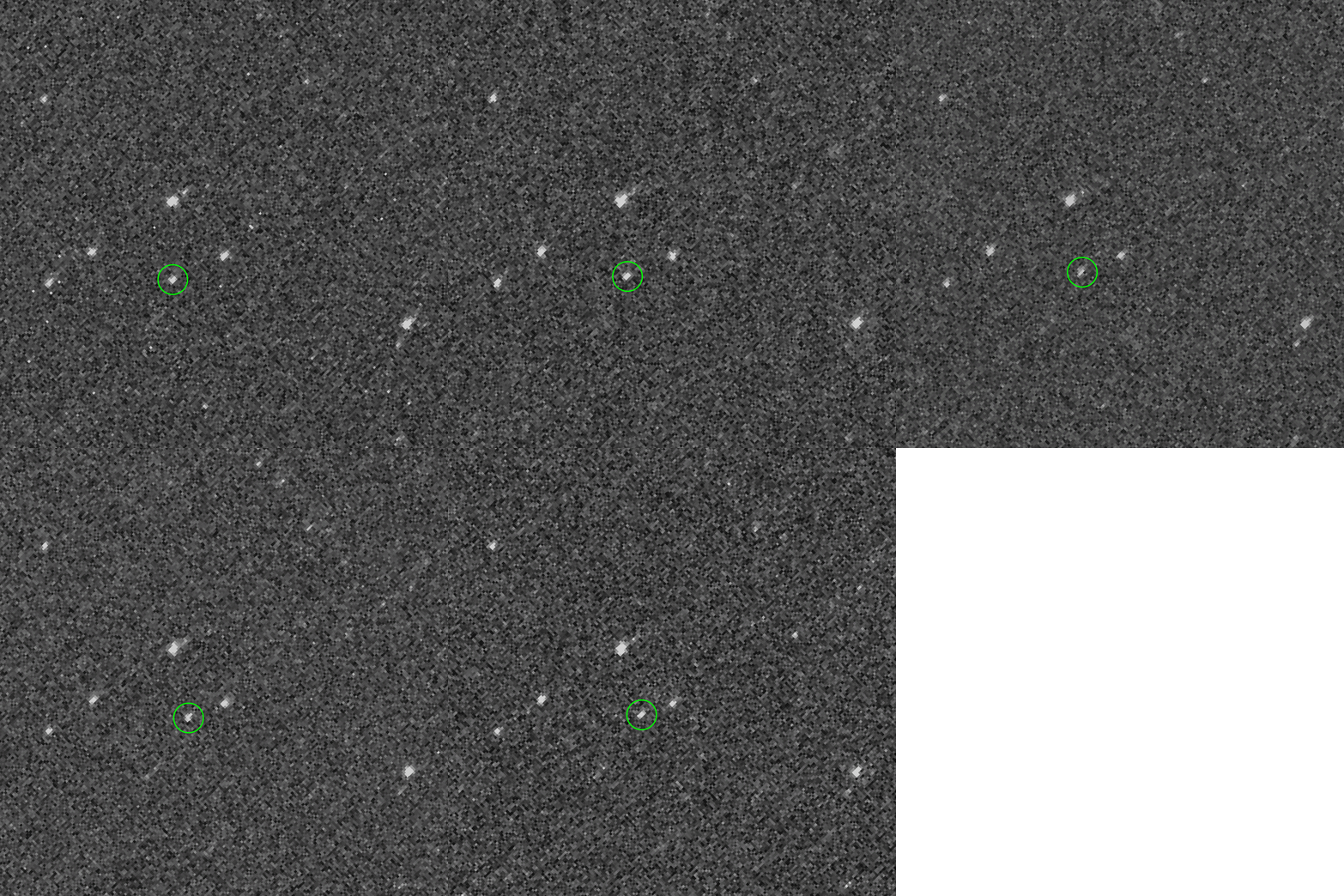
OSIRIS-REx and New Horizons catch first sight of their targets
Both OSIRIS-REx and New Horizons achieved first light on their still-distant targets this week. Between now and the end of 2018, Bennu and 2014 MU69 will turn from points of light into places.

Hayabusa2 Team Announces Ryugu Landing Sites, Initial Science Survey Results
Two months after arrival, the team has reported some preliminary facts about Ryugu. They also announced the selection of candidate landing sites for the spacecraft sample collection, for the German-built MASCOT hopper, and for the MINERVA-II microrovers

False alarm: Here's why people thought Opportunity phoned home last week
It was a signal from the Mars Reconnaissance Orbiter, not Opportunity, that showed up on a Deep Space Network dashboard last week.

National Academies: NASA needs a plan for Mars
Though progress is being made on Mars Sample Return, a new report from the National Academies recommends NASA have a long-term plan for robotic Mars exploration, and work to ensure communications infrastructure is maintained at the Red Planet. These recommendations largely align with those made by The Planetary Society in a report released in 2017.

Here are some recent postcards from Jupiter
Let's check in on NASA's Juno spacecraft, which completed its 14th close flyby of Jupiter last month.
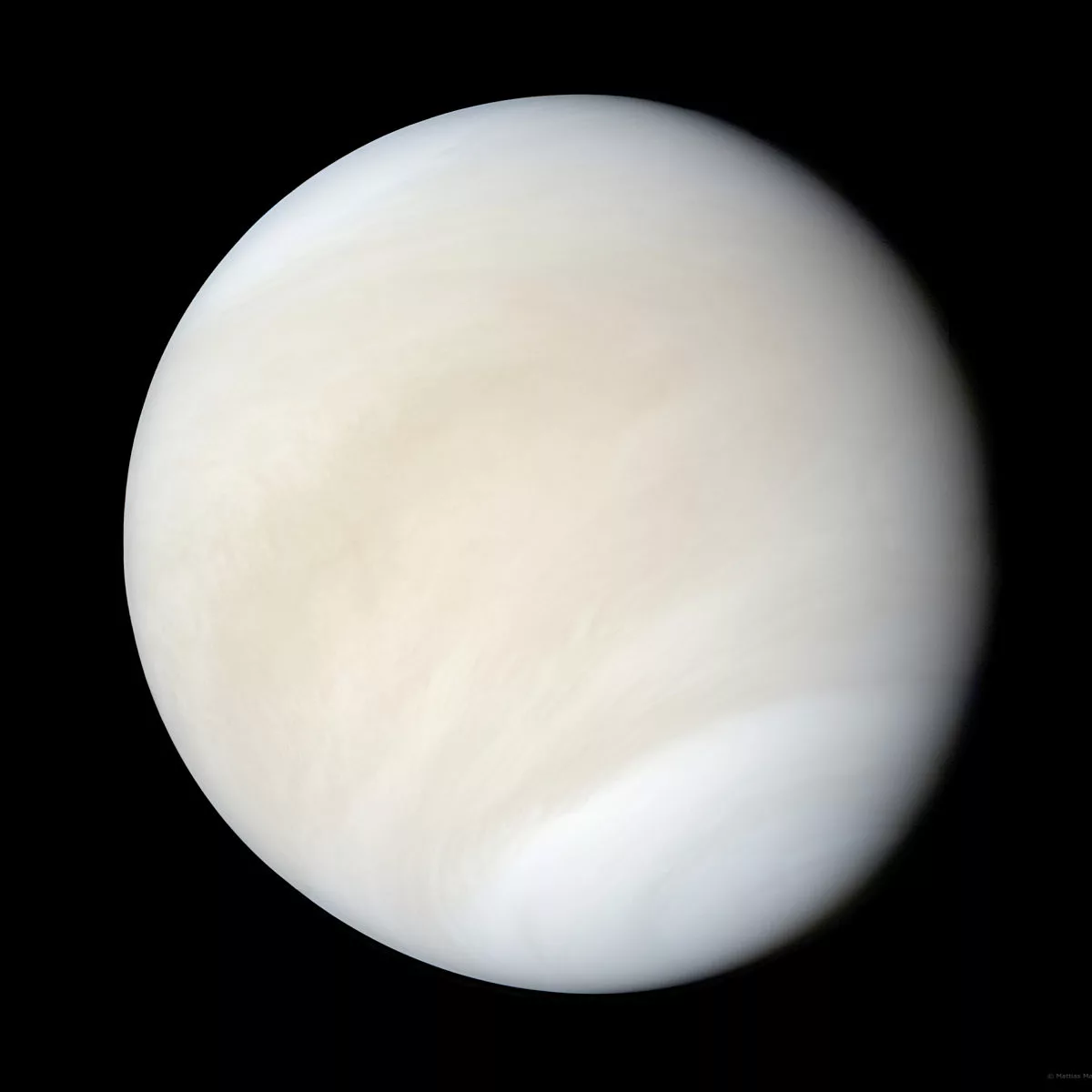
The Venus controversy
A lack of new missions keeps scientists guessing on what shaped the planet’s surface.

Chandrayaan-2 launch delayed to 3 January 2019
Chandrayaan-2, expected to launch in October, will now be launching no earlier than 3 January 2019, with its lander and rover touching down in February.

Hayabusa2 descends again, this time to lower than 1000 meters above Ryugu
This week Hayabusa2 completed its closest approach yet to asteroid Ryugu. In a successful gravity measurement experiment on August 6, the spacecraft dipped to within 1 kilometer of the asteroid.

A second successful medium-altitude operation for Hayabusa2
For the second time, JAXA navigators have zoomed their cameras and other instruments in on asteroid Ryugu. The August 1 operation was quicker than the previous one, requiring only 26 hours for the descent, science, and ascent.

The Mars Exploration Rovers Update: Dust Storm Wanes, Opportunity Sleeps, Team Prepares Recovery Strategy
As Opportunity slept in Perseverance Valley under the thick cloud of dust that has blanketed the Red Planet for the last six weeks, scientists who are studying the monster storm that forced the robot field geologist into its hibernation mode are now reporting the tempest has peaked.