

 Explore Worlds
 Find Life
 Defend Earth


Planetary Radio Episodes
Since 2002, Planetary Radio has visited with a scientist, engineer, project manager, advocate, or writer who provides a unique perspective on the quest for knowledge about our Solar System and beyond. The full show archive is available for free.

The Mars 2020 rover has rolled into an ancient river delta on the Red Planet. Will we find evidence of past life there?

Suit up for an up-close encounter with the Psyche spacecraft that will soon launch toward the asteroid belt.

Thousands celebrated the 61st anniversary of the first human voyage into space. We’ll take you to the Los Angeles party under the Space Shuttle Endeavour.

Fred Haise takes us on board the mission that almost didn’t make it home from the Moon and shares many other stories.
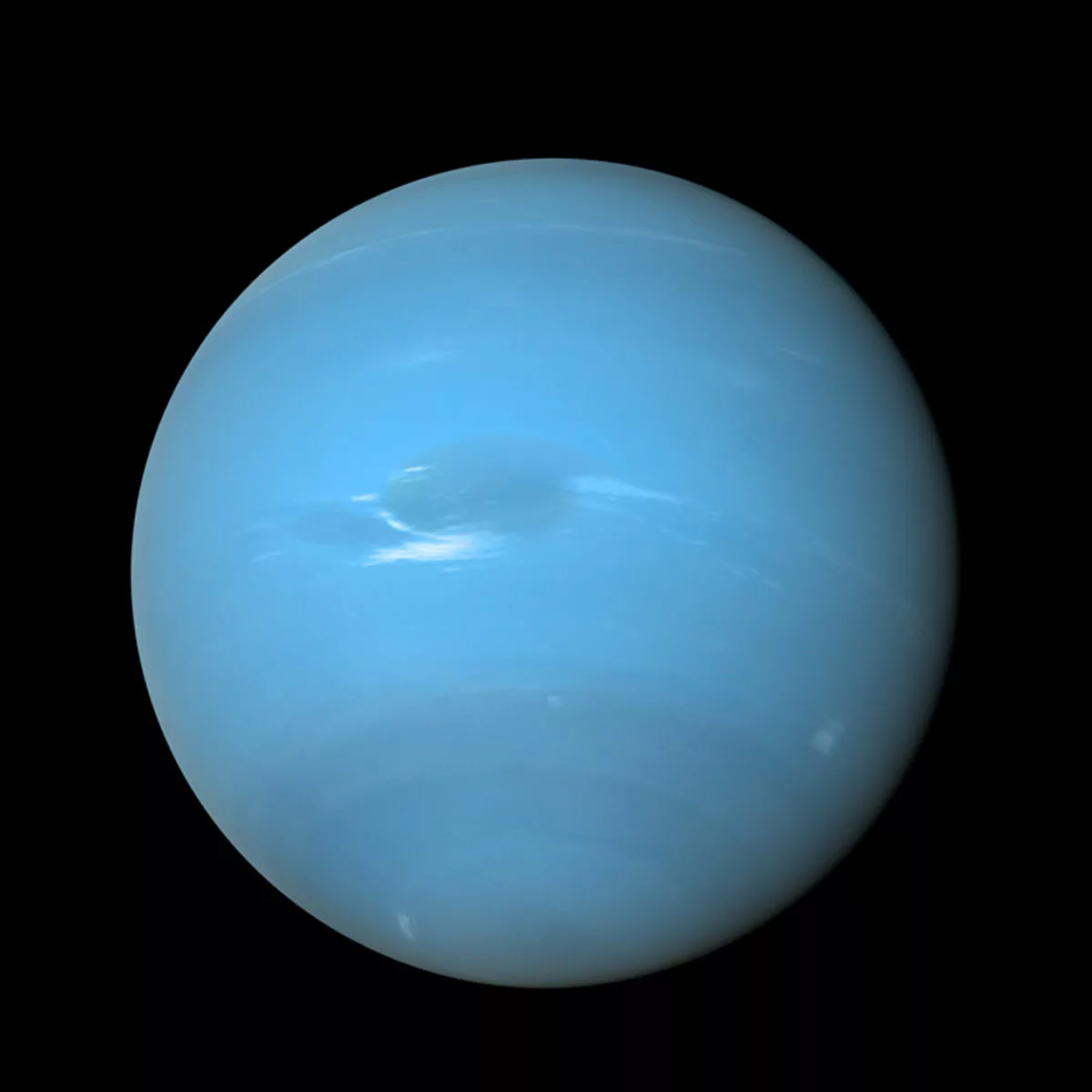
Leaders of the Neptune Odyssey study for the next planetary science and astrobiology decadal survey share their team’s exciting approach for an ice giant-orbiting spacecraft.

X-ray astronomy is vital to solving some of the universe’s biggest mysteries. Martin Weisskopf’s brand new space telescope has joined the effort.

A fascinating conversation with a space science and policy leader who is still hard at work in her 10th decade.

The Planetary Society’s new Science and Technology Empowered by the Public (STEP) grant program will let citizens join the search for ET and enable astronomers to discover the nature of hundreds of near-Earth asteroids.

Water may have flowed on Mars for a billion more years than was previously thought, giving possible life an extra billion years to thrive.

Casey talks with experts about the 50th anniversary of the Pioneer 10 launch toward Jupiter and beyond, and why most outer planets missions since then have been so costly.

MIT’s Michelle Kunimoto heads the TESS Faint Star Search that has revealed over 1,600 of the more than 5,000 TESS-discovered exoplanet candidates in our galaxy.

Astrobiologist and author David Grinspoon shares his thoughts about the search for life, where we might find it and how science works.

Meet three of the just-announced recipients of Planetary Society Gene Shoemaker NEO grants. They search the skies for asteroids and comets that could threaten our planet.

Johanna Vos watches the weather on brown dwarf worlds while her colleague, Sam Grunblatt, finds giant planets spiraling toward their doom.

New research shows that the giant plumes of Saturn’s moon Enceladus may not be coming from the warm ocean deep below the icy surface.

The Curiosity rover’s lead researcher reviews the latest findings and images from Mars’ Gale Crater.

A spacecraft has penetrated the Sun’s corona for the first time, revealing unprecedented data and capturing a mind-blowing video.

Building the next spacesuit for Moon walkers, and a shipboard update on how the Artemis 1 Orion capsule will be recovered from the Pacific Ocean.

Discovering Mars is the new chronicle of humanity’s long relationship with the Red Planet, assembled by space historian William Sheehan and Mars explorer Jim Bell.

NASA’s Jim Green and Mary Voytek want the science community to develop tools that will help us evaluate potential evidence of life beyond Earth.