

 Explore Worlds
 Find Life
 Defend Earth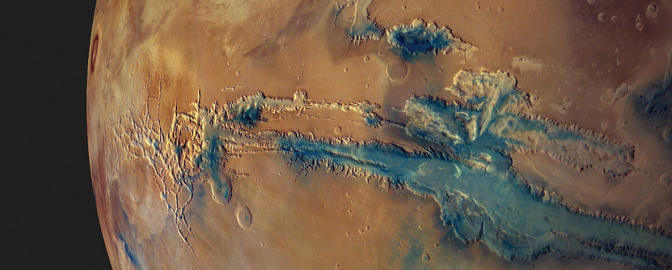


Hands-on activity: Crater simulator
The mission
Crash “asteroids” into a world of your own making to learn how worlds get covered in craters. Then, try to land a spacecraft on your planet!
Age range: 5-9
What you’ll need:
- Cocoa powder (or anything else dark and powdery, like cinnamon)
- Flour (or anything else light and powdery, like corn starch)
- A wide, shallow box or pan
- Marbles (or other small balls, or even rocks)
- A big spoon
- A piece of paper
- Toothpicks
- Tape
- (Optional) Something crumbly, like granola or chips
- (Optional) Newspaper or towel
- (Optional) Aluminum foil


NGSS compatibility (for U.S. teachers):
Disciplinary Core Ideas: K-PS2-1, K-2-ETS1-3, 3-PS2-1, 3-ESS3-1, 3-5-ETS1-2.
Science & Engineering Practices: developing and using models; constructing explanations and designing solutions; planning and carrying out investigations; analyzing and interpreting data.
Crosscutting Concepts: patterns; systems and system models; cause and effect; structure and function.
Background
You can find impact craters on every rocky world of the Solar System, from the Moon and Mars to here on Earth. They're the marks left behind by asteroids and comets that have crashed down over millions, and sometimes billions, of years. By building their own mini-world and bombarding it with "asteroids," kids can see firsthand how these dramatic features form, why some worlds are more cratered than others, and how exploring craters helps scientists understand a world's history. When they try to land on their cratered planet at the end, they'll discover why space missions work so hard to find smooth, crater-free spots when sending spacecraft to other worlds.
1

This could get a little messy. If you have a newspaper or towel, spread it under the box — or you can just take the box outside.
2

Scoop the powder using your spoon, then shake it out into the box. Keep going until there’s a layer 2-5 cm (1-2 inches) deep.
- Smooth the layer down with the back of your spoon.
3

Do the same thing with your dark powder. Add just enough to completely cover the lighter stuff below.
4

Take one of your marbles (or other small objects) and drop it into the box.
- Did it make a crater? No matter what, leave it there for now.
5

Try dropping asteroids at different angles, from different heights, and maybe even putting some force behind them.
- Be careful not to splash too much powder out of the box.
🪐 Match your craters to real life!
The pictures below show craters on Mars and the Moon. Do any of your craters look similar? What kinds of asteroids made them?

6

Once you’ve launched all your asteroids and made plenty of craters, sprinkle on your boulders.
- Take granola, chips, or something similarly crumbly and crush them over the box.
- If you don’t have anything like that, you can just sprinkle a little bit of water on the powder in the box. It will clump up like boulders.
7

Crumple or fold your piece of paper so it’s compact, then tape four toothpicks to its sides like legs.
- You can decorate your lander or wrap it in foil to make it look extra space-y.
8

Pick a spot in the box and try to drop your lander there. Does it stay upright?
- If your lander hits a crater, it might tip over. This is why real landers use maps of a world's surface to avoid craters, and also have special instruments, like lasers, to detect craters on the fly.
- Try dropping your lander from different heights. Does it land more easily when going fast or slow?
- You can add or change the legs on your lander, too. How does that make it land better or worse?
9

When you’re done, you can dig out your lander and asteroids, smooth out the powder, and then add another thin layer of light powder. Top it with a thin layer of dark powder, and you’re set to launch another wave of asteroids.
- Now that you know how craters form, you can learn all about the asteroids and comets that make them, and how we defend ourselves from impacts on Earth. Or, see shooting stars for yourself by checking out our guide to the next meteor shower!