

 Explore Worlds
 Find Life
 Defend Earth


All
All
 Sun
Sun Mercury
 Venus
Venus Earth
Earth Mars
Mars Jupiter
 Saturn
 Uranus
 Neptune
 Small Bodies
Stories, updates, insights, and original analysis from The Planetary Society.

The Chang'e 3 lunar lander and rover, expected to launch late this year
All of the information I could track down on China's planned Chang'e 3 lunar lander and rover, including videos and a brand-new artist's concept of the rover rolling across the Moon.

The Astronomy Budget Squeeze
It's not just the Planetary Sciences division within NASA that's under harsh budgetary times. The NSF Division of Astronomical Sciences is facing a choice between funding scientists and funding telescopes. A report from the 221st AAS meeting in Long Beach.
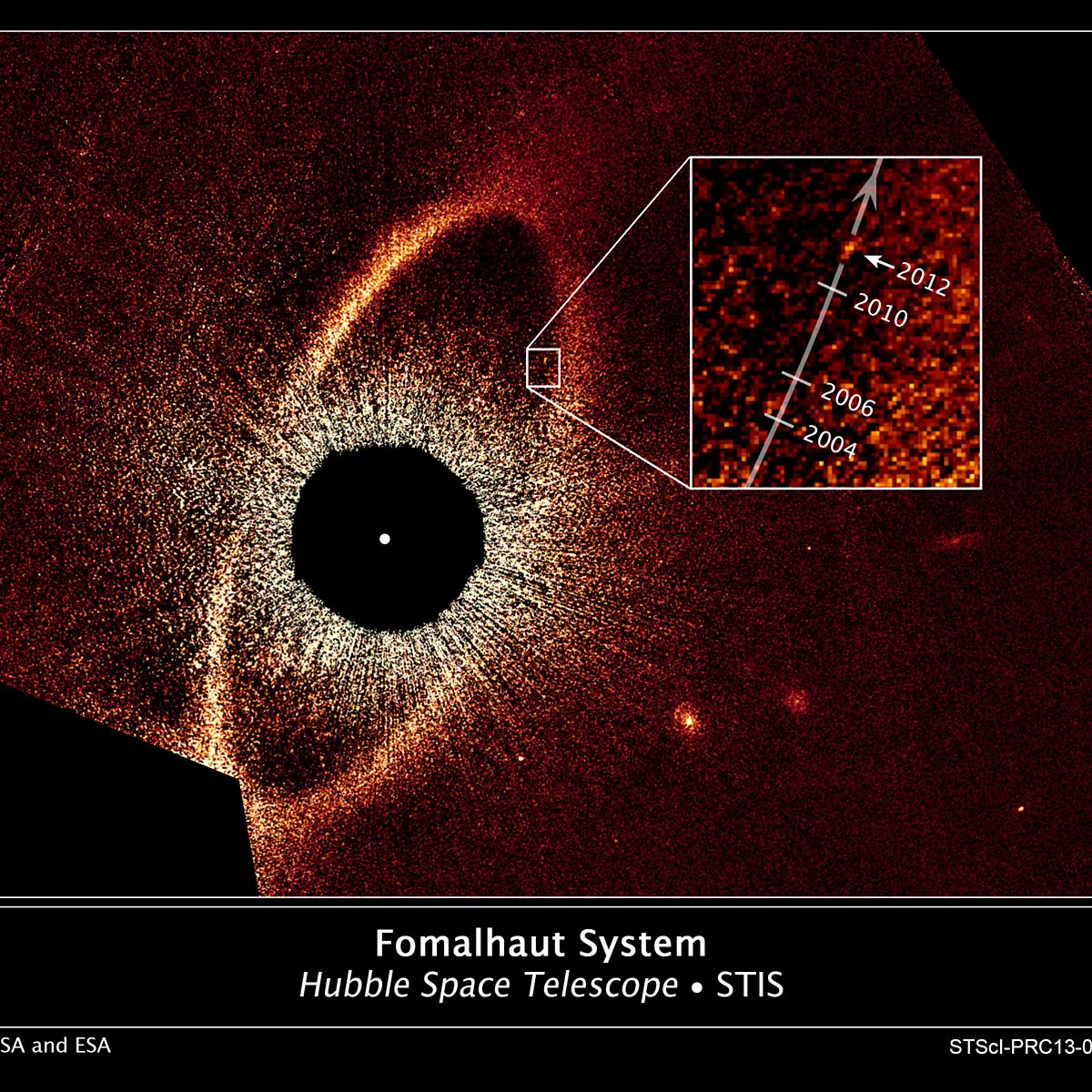
Report from AAS: Exoplanets (and exo-asteroids, and exo-comets) everywhere
This year's American Astronomical Society meeting featured tons and tons of news on exoplanets. They're everywhere! And not just planets, but also asteroids, comets, and more....
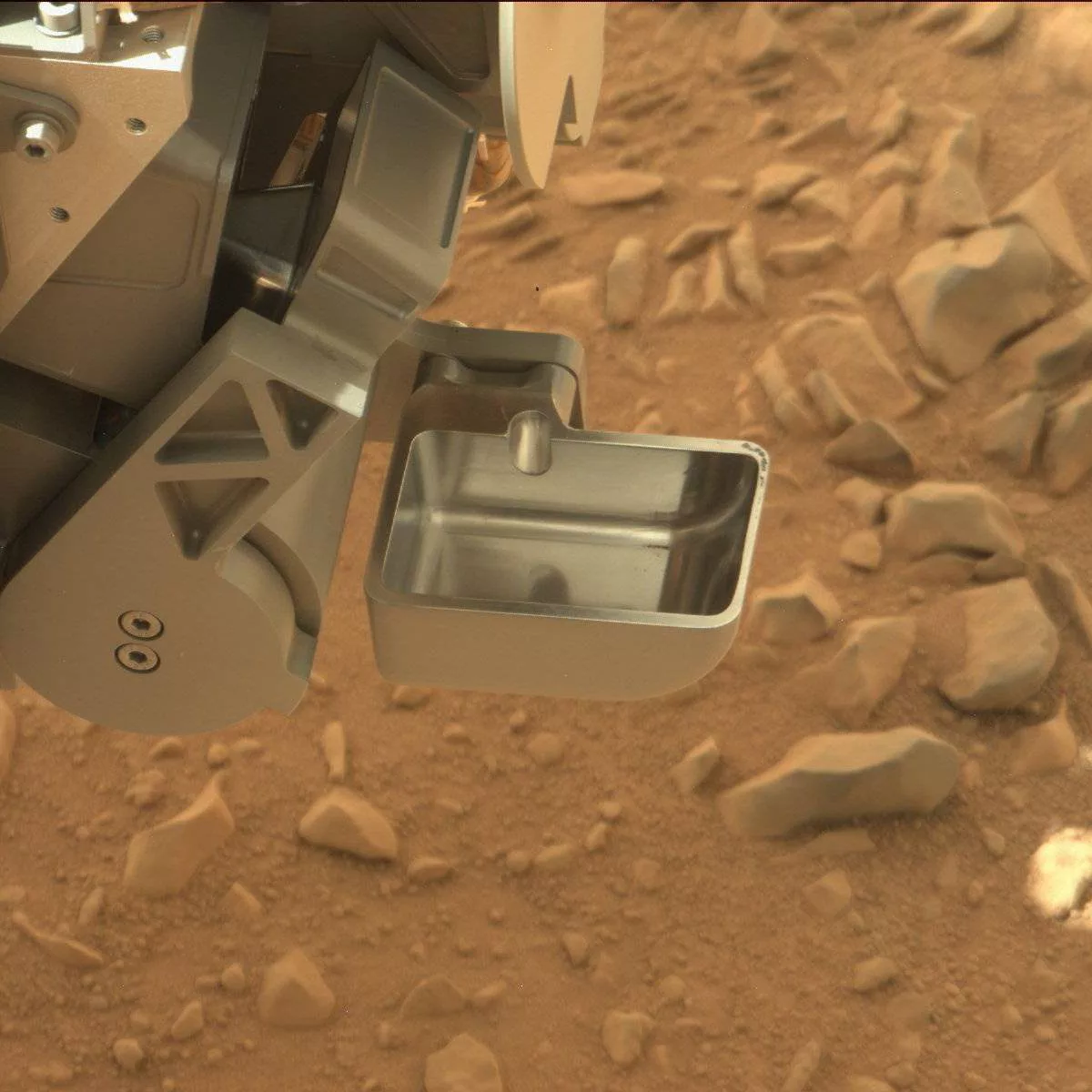
Curiosity's Scoop Campaign, a Summary
Stephen Kuhn is the CHIMRA and the scoop systems lead on the Curiosity rover. He explains what the team was doing at Rocknest, and why it took so long!
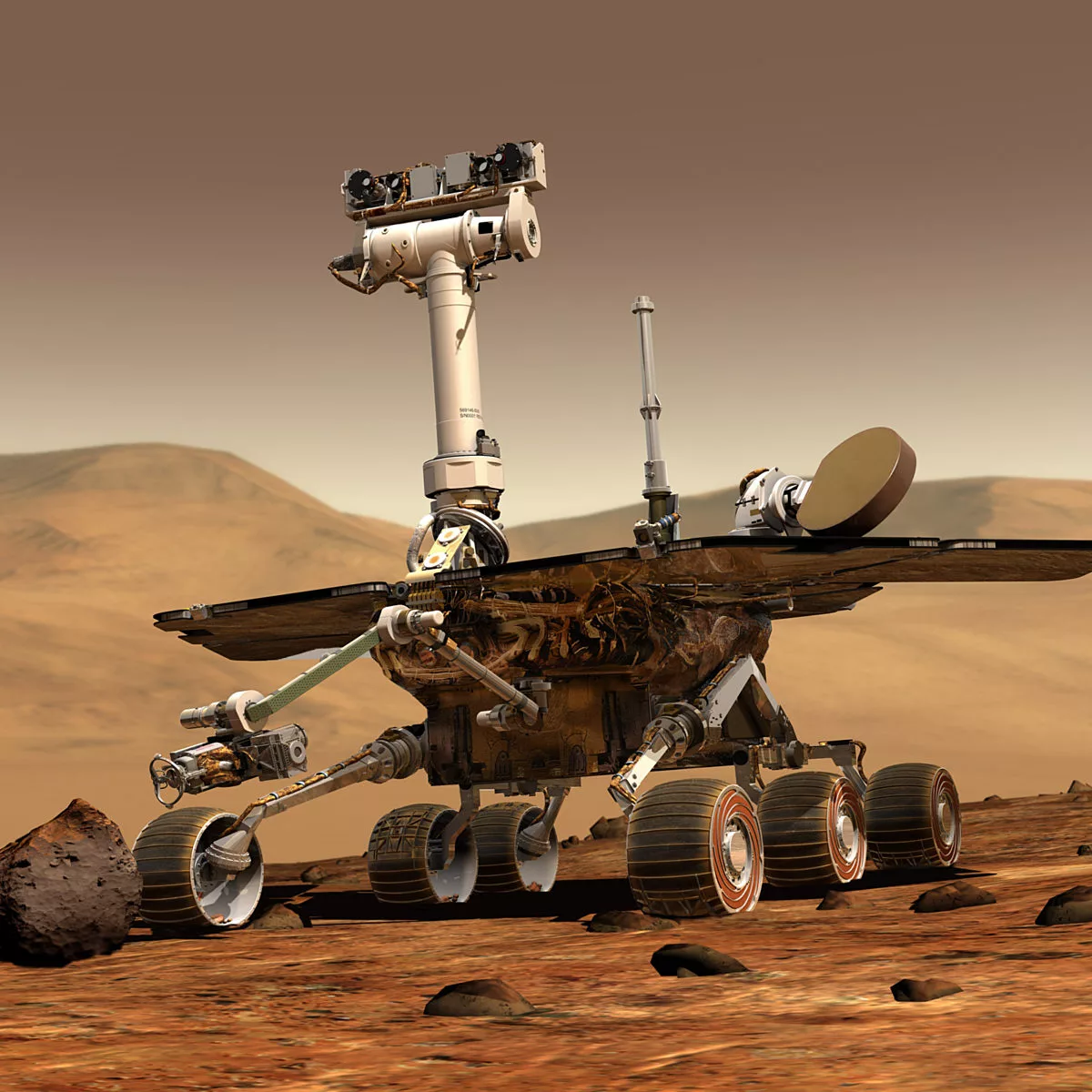
Mars Exploration Rovers Update: Opportunity Zeroes In on Clay Minerals and We Look Back on 2012
Despite the lull of the holidays, the Mars Exploration Rover (MER) mission recorded one of the expedition's best months ever in December as Opportunity and her team confirmed the location of the smectite clay minerals on Matijevic Hill, effectively grabbing the scientific brass ring they came hoping to find at Endeavour Crater.

Can you find a new planet?
A change in the Kepler data delivery process provides both scientists and the public to get involved in planet discovery.

Looking ahead to spacecraft activities in 2013
2013 is going to be a busy year in space exploration. Two missions launch to the Moon (LADEE and Chang'E 3), and another two to Mars (MAVEN and India's mission). Curiosity should drive to the Mountain, and Opportunity to the next site on Endeavour's rim. Cassini will be seeing rings and Titan. Others should continue routine operations, except maybe MESSENGER, whose fate after March is not yet decided.

Updates on ISRO's Mars Orbiter Mission: five instruments to be delivered in March
Several news articles appeared in Indian media today about the upcoming launch of ISRO's Mars Orbiter Mission. Five instruments have been selected, and their delivery is expected in March.
Planetary Society Weekly Hangout, Thu Jan 3 1200PT/2000UT: Jim Bell
Join Emily Lakdawalla and Casey Dreier for a chat with Jim Bell, a scientist who wears many hats. He's the team lead for the Pancam color cameras on the Spirit and Opportunity rovers; he's a member of the Curiosity science team; and he's the esteemed President of the Planetary Society's Board of Directors. We'll talk about the great science being done by both Curiosity and Opportunity, and about what's in store for the future.

Dawn Journal: Faraway Viewing Through the Mind's Eye
As Dawn treks onward to Ceres, its path will cross within a few degrees of the moon as seen from Earth on Jan. 21–22.

Pretty picture: Jupiter photo from an unusual source
A recently launched Earth-observing satellite is using the stars to practice its pointing, and caught a neat animation of Jupiter.

Who is the photographer behind Mars rover photos? Answer from Mark Lemmon
A Mars imaging scientist answers the question: who is the
Planetary Radio Live Celebrates Curiosity/Truly Haute Cuisine!
Listen to or watch the webcast recorded Saturday, December 15th with MSL Project Manager Richard Cook and Project Scientist John Grotzinger. Bonus: enjoy a neat little French animation.

Mars Express VMC resumes raw data posting
ESA brought Mars Express' VMC back online in May, but hasn't been posting the images. This week, they launched a new process to release VMC images automatically to a Flickr page.
![Asteroids and comets visited by spacecraft as of December 2012, in color, excepting Vesta [DEPRECATED]](https://planetary.s3.amazonaws.com/web/assets/pictures/_1200x1200_crop_center-center_82_line/130437/20121218_asteroids_comets_sc_0-000-100_2012_color_brightened.jpg.webp)
My ever-popular asteroids-and-comets montage, now in color, with bonus Toutatis
My collage of all the asteroids and comets visited by spacecraft is probably the single most popular image I have ever posted on this blog. I've now updated it to be in color and to include Toutatis.
Watch Planetary Radio LIVE on Saturday!
Watch the live show at 2pm Pacific on Saturday, December 15 to see Bill Nye, Emily Lakdawalla and the leaders of the Mars Science Laboratory rover mission.
Chang'E 2 imaging of Toutatis succeeded beyond my expectations!
The Chang'E 2 mission flyby of Toutatis succeeded in acquiring images. Oh my goodness, did they succeed. These, in combination with the incredible radar images still being acquired from Goldstone and innumerable optical observations, make Toutatis one of the best-studied asteroids in the solar system.

How GRAIL will meet its end
The twin GRAIL spacecraft are nearly out of fuel, and are being directed to a controlled impact near the north pole on the near side of the Moon on December 17. Before the end, though, they did some cool things, including flying within 2000 meters of mountaintops, and catching video of Lunar Reconnaissance Orbiter in flight.

Isostasy, gravity, and the Moon: an explainer of the first results of the GRAIL mission
Last week the GRAIL mission published their first scientific results, and what they have found will send many geophysicists back to the drawing board to explain how the Moon formed and why it looks the way it does now. To explain how, I'm going to have to back way up, and explain the basic science behind gravity data.

Crowdsourcing the Andromeda Galaxy
Scientists would like your help starting at high-resolution images of the Andromeda Galaxy captured by the Hubble Space Telescope.