

 Explore Worlds
 Find Life
 Defend Earth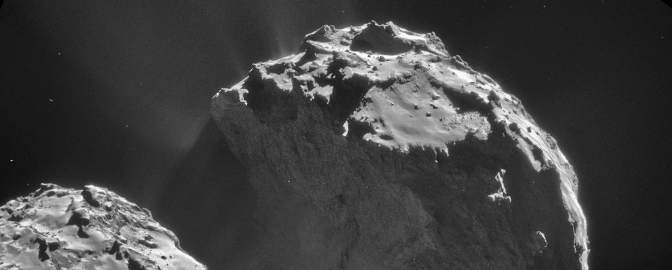

All
All
 Sun
Sun Mercury
 Venus
Venus Earth
Earth Mars
Mars Jupiter
 Saturn
 Uranus
 Neptune
 Small Bodies
Stories, updates, insights, and original analysis from The Planetary Society.

Report from SETI workshop marking 50 years since Project Ozma
Jon Lomberg repots from NRAO--the National Radio Astronomy Observatory-- in Greenbank, West Virginia on a SETI workshop marking the 50th anniversary of Project Ozma.

Jaded by Mars Organics
So, you may have heard the news making the rounds last week that a new analysis of the Viking data suggests there may actually be organics and (dare I even say it?) life on Mars! Yawn. Consider me underwhelmed.

Pretty picture: Crescent Dione
I was busy with other projects today, so today's post just asks you to look at this gorgeous three-image mosaic of a crescent Dione, taken during Cassini's most recent flyby a week ago.

NASA: NOT Grounded
So I just received my

China's Yinghuo-1 Mars Orbiter
A helpful reader has sent me copies of three recently published papers on China's first planetary probe, the Yinghuo-1 orbiter.

Early warning for close approaches of two house-sized asteroids
Most of you have probably heard by now of two small asteroids, both in the neighborhood of 10 meters in diameter, recently discovered on trajectories that pass unusually close to Earth.

Deep Impact snaps first image of flyby target comet Hartley 2
Deep Impact is rapidly approaching its next -- and final -- target, comet Hartley 2, which it will fly by on November 4.

Two natural bridges on the Moon (now with 3D!)
Imagine this landscape: you're walking across an unusually smooth lunar surface, an impact melt sheet on the floor of a relatively recently formed crater.

Bill Nye Given the World(s)
Lou Friedman handed off the keys to the Planetary Society -- and a few worlds as well -- to new Executive Director Bill Nye.

Neptune from two slightly different perspectives
Coincidentally, two new images of Neptune were posted today, from two very different sources.
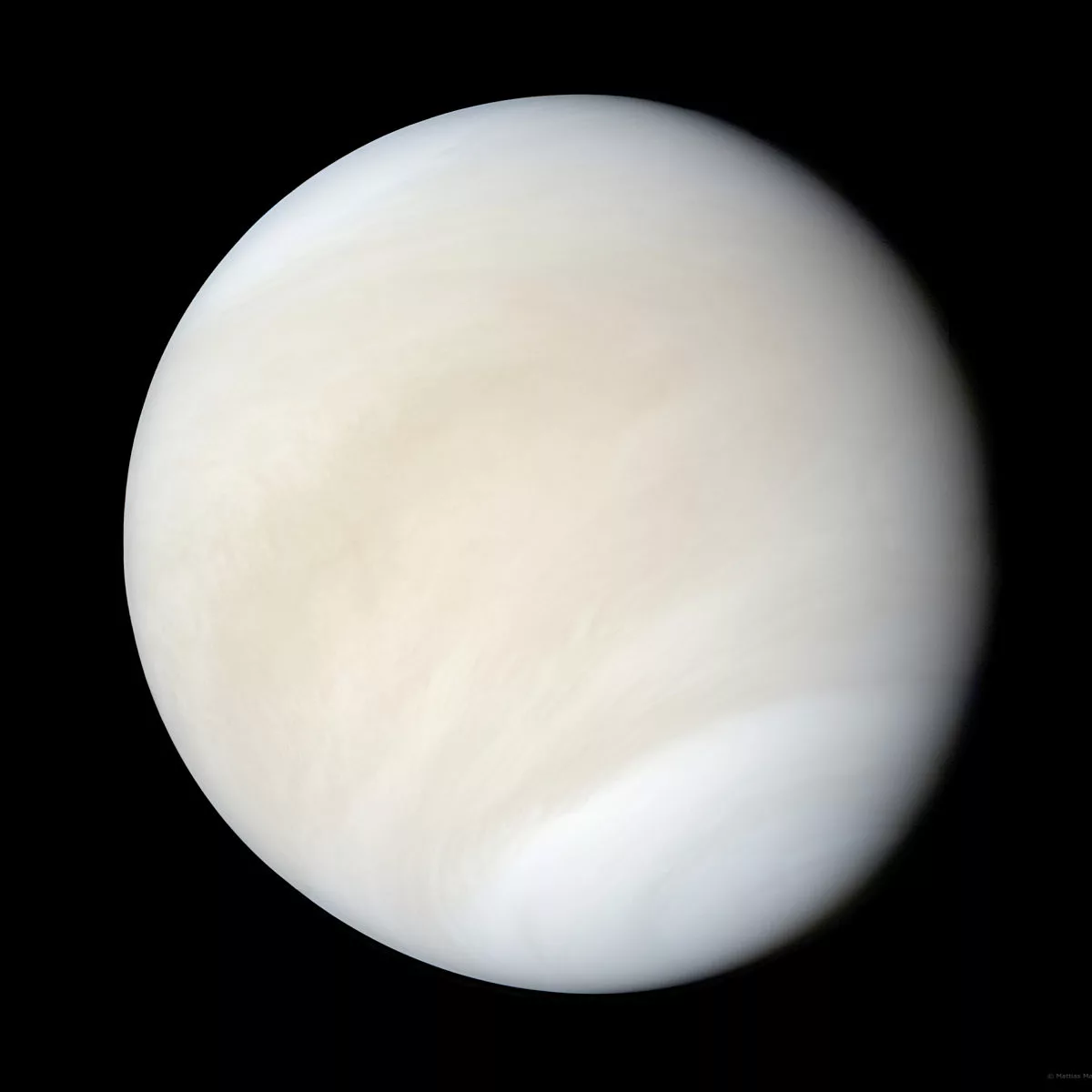
Special report by Bill Nye from the VEXAG Meeting
Is Venus the forgotten planet, or just one that's hard to figure out?

Dawn Journal: Getting Warmer, Farther from the Sun?
Dawn is now so far from the sun that even with its tremendous solar arrays, it does not receive enough sunlight to generate sufficient electrical power to operate all systems and still achieve maximum thrust.

Fly over Saturn's icy moons
A couple of weeks ago Paul Schenk posted a few really cool videos to his personal blog. Paul's subspecialty is the topography of icy moons, and he's been doing a lot of work on the moons of Saturn lately.

Help explorers from Earth travel to new places in our Solar System
Nobel Prize laureates and former NASA officials have come together to express concern over the House of Representatives Science Committee's proposed budget for NASA.

Getting to the real science image data: It's not that hard!
If I have to, I will drag reluctant people one at a time to plunge into NASA's Planetary Data System.

Possibly the best view of the Great Red Spot ever
This is a new, big mosaic of Voyager 1 images, this time showing the Great Red Spot at high resolution.
Mars Exploration Rovers Update: Spirit Hibernates Still, Opportunity Pulls into Cambridge Bay
With the Sun beginning to warm the landscape in the southern hemisphere of the Red Planet and winds whipping up here and there forming dust devils that kick the powdery, rust-colored topsoil into the atmosphere, the Mars Exploration Rovers have been experiencing sure signs of a Martian spring this month.

What's up in the solar system in September 2010
This month there will be approximately a hundred different planetary science meetings (a list of which is at the end of this post).

Successor to Mars Climate Orbiter will fly aboard ExoMars
Congratulations to the Mars Climate Sounder team on winning a spot for a successor instrument aboard the next Mars orbiter, the joint NASA-ESA ExoMars, set to launch in 2016.

New Flickr collection of historical NASA photos
NASA announced today that they had placed several new sets of historical photos on their