

 Explore Worlds
 Find Life
 Defend Earth


All
All
 Sun
Sun Mercury
 Venus
Venus Earth
Earth Mars
Mars Jupiter
 Saturn
 Uranus
 Neptune
 Small Bodies
Stories, updates, insights, and original analysis from The Planetary Society.

Human spaceflight update: the modules edition
NASA made Wednesday a big day for human spaceflight following the official announcements of two new partnerships with Bigelow Aerospace and the European Space Agency.

Pretty picture: new HiRISE view of Curiosity, sol 145
Mars Reconnaissance Orbiter captured a new view of Curiosity on Mars on January 2 (sol 145). Curiosity was in the same location as the one from which it shot the sol 137 panorama I posted earlier. You can see the rover's tracks leading all the way back to the landing site!

Curiosity update, sol 157: Glenelg isn't just a test site anymore; it's a scientific "candy store"
The Curiosity mission held a press briefing this morning for the first time since the American Geophysical Union meeting, and it was jam-packed with science. The biggest piece of news is this: it was worth it, scientifically, to go to Glenelg first, before heading to the mountain.

Fly me to the Moon
Video views shot by two doomed spacecraft take us flying across the Moon.

Crazy Far
Louis Friedman discusses what he expects to be the future of space exploration. According to him, it won't be in manned missions, but in remote, virtual exploration available to anybody.
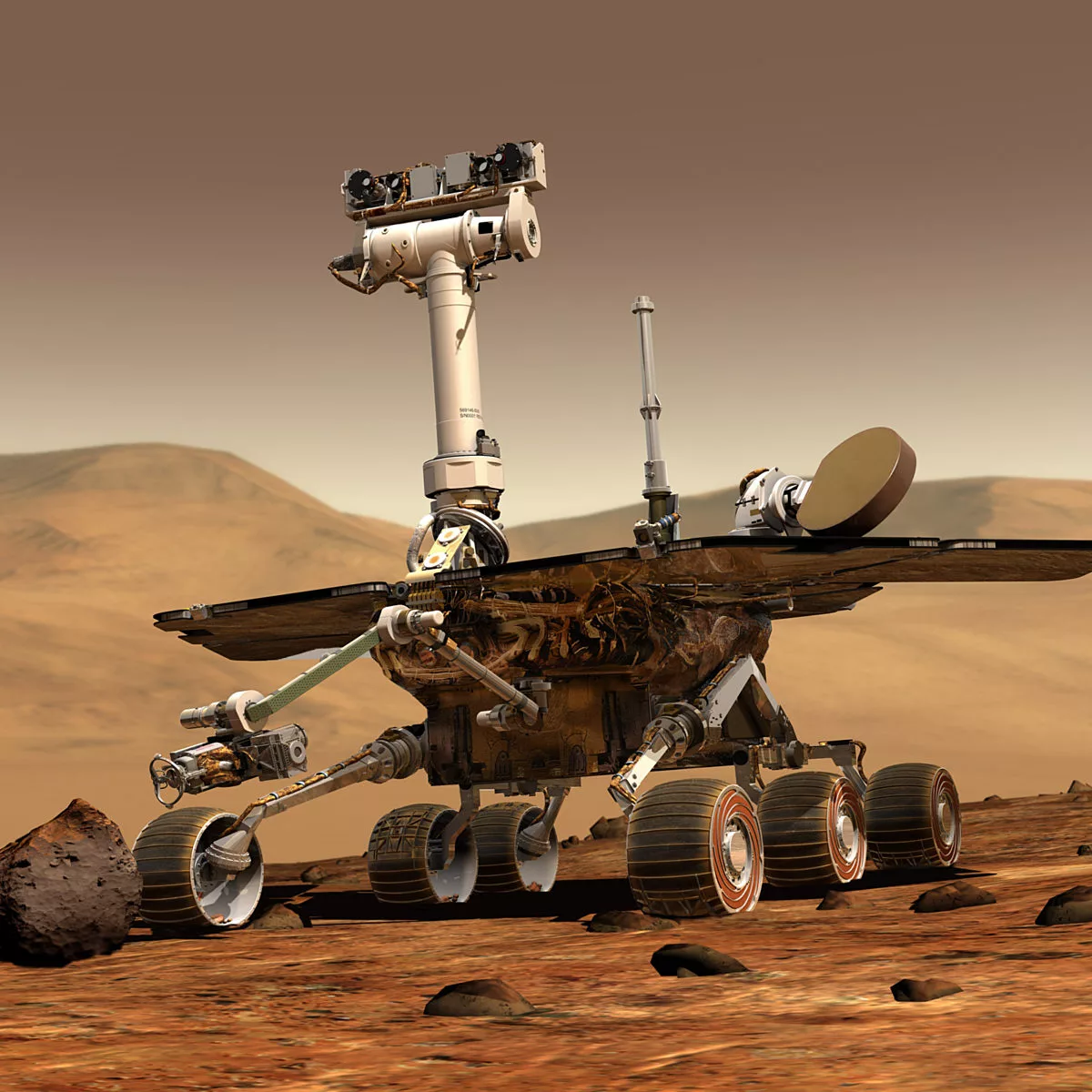
Field Report From Mars: Sol 3182-3188 - January 6-11, 2013
We finished up with examination of the big outcrop (

The raw data behind an Earth-like exoplanet
Taking a closer look at KOI 172.02, a super-Earth exoplanet sitting in its solar system's habitable zone.

Shoemaker Winner Hug Discovers Near Earth Asteroid 2013 AS27
Using a Planetary Society provided camera, Gary Hug in Kansas, USA discovered Potentially Hazardous Asteroid 2013 AS27 on Jan. 7, 2013. Shoemaker winner Bob Holmes provided the first follow up observations of this 140m-310m wide asteroid.

Planetary Society Hangout: Jan 10th, 2013 - AAS Coverage with Astronomer Meg Schwamb
Join Casey Dreier and Emily Lakdawalla as they are joined by Dr. Meg Schwamb from Yale University. They will discuss the latest announcements from the American Astronomical Society 2013 conference and Dr. Schwamb's research in outer solar system bodies.
New Details on the 2020 Mars Rover
The 2020 Rover will achieve its cost-savings by using $200 million of existing hardware left over from the Curiosity mission, said the Director of the Planetary Science division within NASA.

The Astronomy Budget Squeeze
It's not just the Planetary Sciences division within NASA that's under harsh budgetary times. The NSF Division of Astronomical Sciences is facing a choice between funding scientists and funding telescopes. A report from the 221st AAS meeting in Long Beach.

The Chang'e 3 lunar lander and rover, expected to launch late this year
All of the information I could track down on China's planned Chang'e 3 lunar lander and rover, including videos and a brand-new artist's concept of the rover rolling across the Moon.
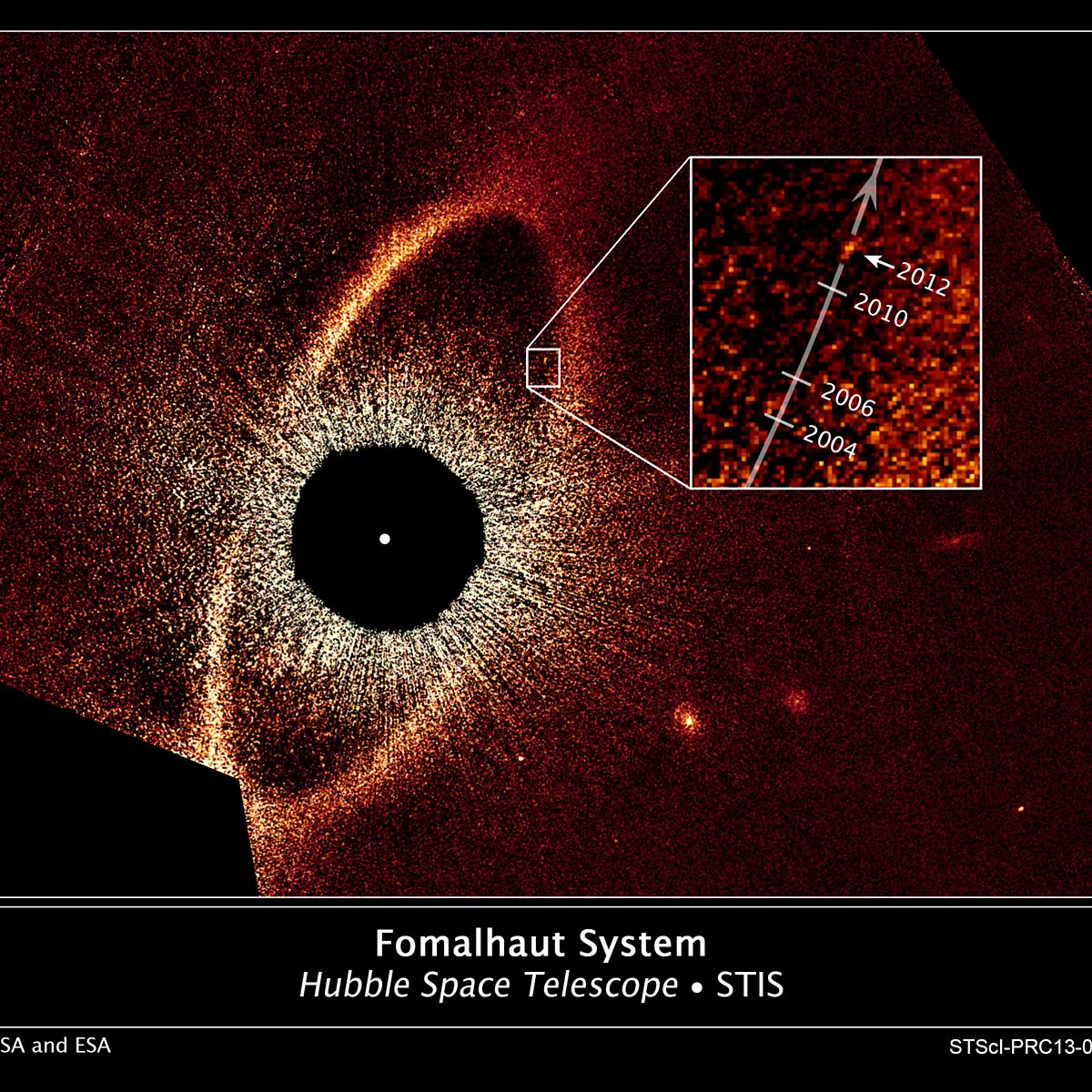
Report from AAS: Exoplanets (and exo-asteroids, and exo-comets) everywhere
This year's American Astronomical Society meeting featured tons and tons of news on exoplanets. They're everywhere! And not just planets, but also asteroids, comets, and more....
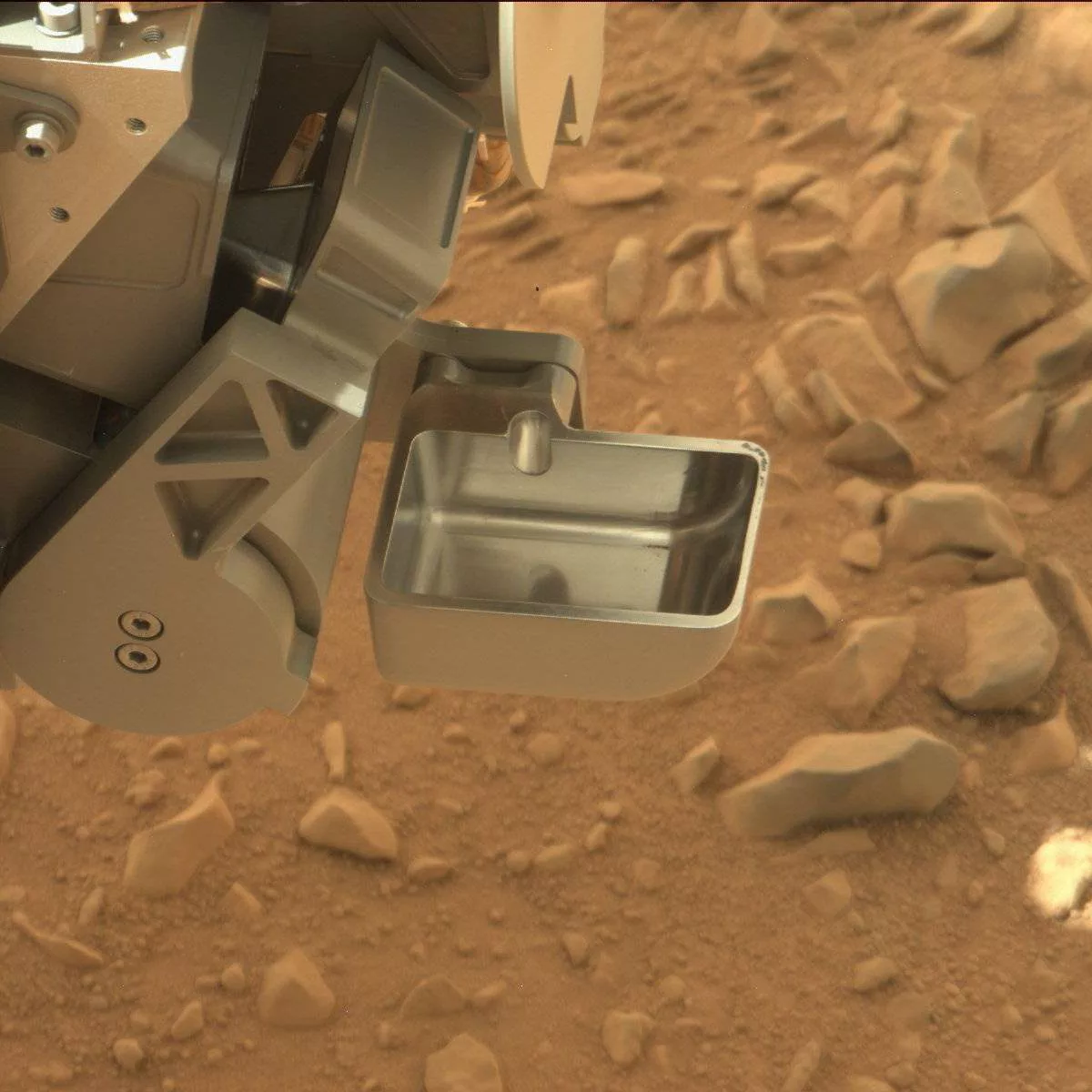
Curiosity's Scoop Campaign, a Summary
Stephen Kuhn is the CHIMRA and the scoop systems lead on the Curiosity rover. He explains what the team was doing at Rocknest, and why it took so long!
Mars Exploration Rovers Update: Opportunity Zeroes In on Clay Minerals and We Look Back on 2012
Despite the lull of the holidays, the Mars Exploration Rover (MER) mission recorded one of the expedition's best months ever in December as Opportunity and her team confirmed the location of the smectite clay minerals on Matijevic Hill, effectively grabbing the scientific brass ring they came hoping to find at Endeavour Crater.
Can you find a new planet?
A change in the Kepler data delivery process provides both scientists and the public to get involved in planet discovery.

Looking ahead to spacecraft activities in 2013
2013 is going to be a busy year in space exploration. Two missions launch to the Moon (LADEE and Chang'E 3), and another two to Mars (MAVEN and India's mission). Curiosity should drive to the Mountain, and Opportunity to the next site on Endeavour's rim. Cassini will be seeing rings and Titan. Others should continue routine operations, except maybe MESSENGER, whose fate after March is not yet decided.

Updates on ISRO's Mars Orbiter Mission: five instruments to be delivered in March
Several news articles appeared in Indian media today about the upcoming launch of ISRO's Mars Orbiter Mission. Five instruments have been selected, and their delivery is expected in March.
Planetary Society Weekly Hangout, Thu Jan 3 1200PT/2000UT: Jim Bell
Join Emily Lakdawalla and Casey Dreier for a chat with Jim Bell, a scientist who wears many hats. He's the team lead for the Pancam color cameras on the Spirit and Opportunity rovers; he's a member of the Curiosity science team; and he's the esteemed President of the Planetary Society's Board of Directors. We'll talk about the great science being done by both Curiosity and Opportunity, and about what's in store for the future.