

 Explore Worlds
 Find Life
 Defend Earth


Planetary Radio Episodes
Since 2002, Planetary Radio has visited with a scientist, engineer, project manager, advocate, or writer who provides a unique perspective on the quest for knowledge about our Solar System and beyond. The full show archive is available for free.

Highlights from the 2025 Humans to the Moon and Mars Summit explore why space science is a vital national interest for the United States and how the Artemis Accords are shaping international collaboration in deep space.

Dava Sobel receives The Planetary Society’s Cosmos Award for her extraordinary storytelling about science and discovery. We celebrate her work, hear from Bill Nye, and share updates on space policy and science communication.

We explore bold ideas from the Mars Innovation Workshop and uncover why NASA’s decision to dissolve key advisory offices is raising concerns across the space community.

We celebrate Ed Stone’s lasting legacy with the unveiling of the Dr. Edward Stone Exploration Trail at JPL.

The Planetary Society team reviews the best space moments of 2024, from the China National Space Administration's return of samples from the far side of the Moon to the triumphant launch of NASA's Europa Clipper mission.

The Planetary Society and space advocates around the world fought to make Europa Clipper a reality. This week, we learn more about the tumultuous history of the mission with Casey Dreier, The Planetary Society’s chief of space policy.
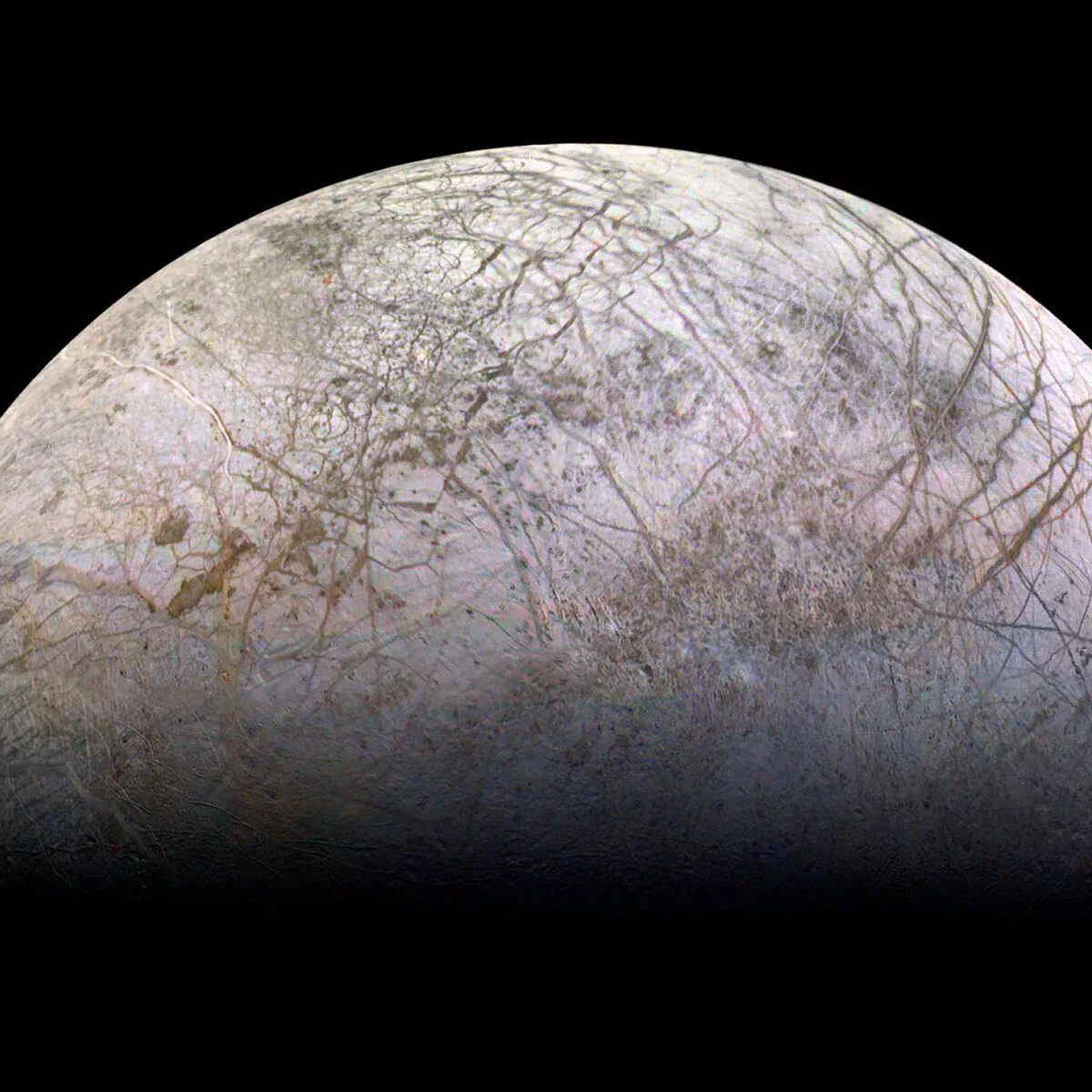
With less than two months to go until the highly anticipated launch of NASA's Europa Clipper mission, we take a look back at over twenty years of Planetary Radio episodes about Jupiter's most intriguing moon.

Get up to speed on the latest in commercial space news and look forward to the European Space Agency’s Ramses mission to Apophis with members of The Planetary Society team.

Planetary Radio takes a melodic adventure to the Ravinia Festival in Illinois, USA, for the public premiere of the "Moons Symphony."

We dive into the stunning variety of exoplanets beyond our Solar System with Jessie Christiansen, the project scientist for the NASA Exoplanet Archive.

RadioLab's Latif Nasser returns to Planetary Radio with a new public naming contest for a quasi-moon of Earth.

We share a conversation from the Humans to Mars Summit about integrating NASA and its partners as humanity looks to build a permanent and sustainable human presence on Mars.

Kelly Biderman, the CEO of Havoc Robotics, joins Planetary Radio to share how the National Havoc Robot League helps to prepare the next generation of space engineers. Then we hear from Florence Pouya, the former captain of the Afghan Girls Robotics Team.

A team co-led by the Southwest Research Institute has made a groundbreaking discovery, revealing evidence of hydrothermal or metamorphic activity on the icy dwarf planets Eris and Makemake in the Kuiper Belt. The lead author of this research, Chris Glein, joins Planetary Radio to explain.

Members of The Planetary Society staff revisit some of 2023's most exhilarating moments and groundbreaking discoveries in space this week on Planetary Radio.

Mat Kaplan, Planetary Radio's creator and former host, takes us on an adventure with planetary geologist Kirby Runyon as they tour New Mexico, U.S.'s varied geology and compare it to other worlds.

The InSight RISE instrument's principal investigator, Sebastien Le Maistre, from the Royal Observatory of Belgium, joins Planetary Radio to discuss Mars' increased rotation speed.
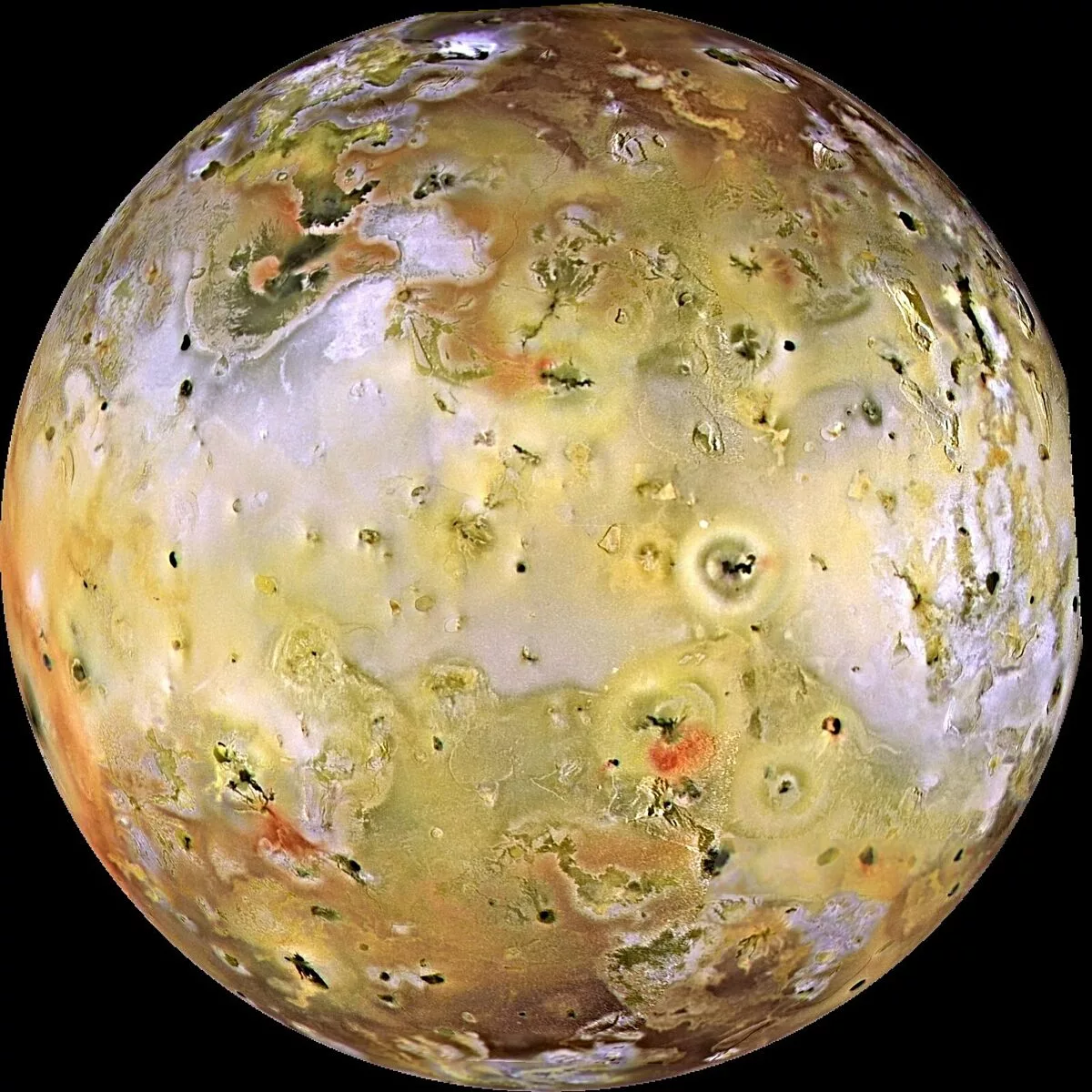
Voyager project manager Suzanne Dodd and Voyager project scientist Linda Spilker discuss reestablishing contact with Voyager 2 and Carver Bierson from Arizona State University tells the tale of how Io went from a water-rich moon into a world with lakes of lava.

Planetary Radio, Mat Kaplan, senior communications adviser at The Planetary Society, takes us to the 2023 Humans to Mars Summit in Washington, D.C. We'll share his conversation with three NASA Associate Administrators, Nicola Fox, James Free, and James Reuter about the international, commercial, and robotic collaboration it will take to put the first humans on the Red Planet.

The second round awardees in a Planetary Society grant program will explore extreme life in super-salty lakes, and study how future Martians will grow their own food.