

 Explore Worlds
 Find Life
 Defend Earth

All
All
 Sun
Sun Mercury
 Venus
Venus Earth
Earth Mars
Mars Jupiter
 Saturn
 Uranus
 Neptune
 Small Bodies
Stories, updates, insights, and original analysis from The Planetary Society.

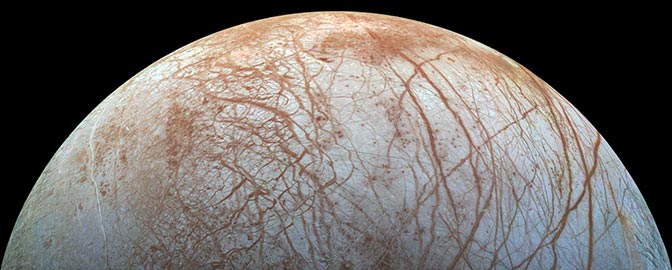
The Plumes of Europa
2013 has been a rather exciting year for Europa scientists. Today's exciting news: the Hubble Space Telescope discovery of water vapor plumes from the south pole of this icy moon.

A Protected Class of Programs at NASA?
The House Science Committee is considering giving a select few NASA programs special protected status against cancellation.

Neptune: The new amateur boundary?
Can features on Neptune be observed by amateur astronomers? For years, the Hubble Space Telescope and some professional terrestrial observatories have been revealing incomplete belts and spots on the surface of Neptune. Now, spots have been imaged by amateurs.

Uranus Awaits
It’s been a long time since anyone paid Uranus a visit. The Uranus system is, however, fascinating, as evidenced by the wealth of topics covered by the diverse group of planetary scientists who gathered to discuss it last week at the Paris Observatory.

Gaia Prepares for Ultimate Galactic Census
The European Space Agency's Gaia spacecraft is set to embark on a five-year, billion-star census next month.

Origami Nanosats: The Future of Space Telescopes?
We interview Dr. Franck Marchis from the SETI Institute about nanosats that can unfold in space to create sensitive telescopes that are orders of magnitudes cheaper than current hardware.

In his own words: Mike Massimino on how he "nearly broke" Hubble
In an enthralling article for Esquire magazine, astronaut Mike Massimino writes about nearly failing to repair the Hubble Space Telescope, and how the people of Earth came to his rescue.
Caution: Spacecraft Under Construction
Join Emily Lakdawalla and Mat Kaplan inside JPL's High Bay 1, where two Earth-revealing missions are being readied for launch.

Hubble captures time-lapse of comet ISON
The Hubble Space Telescope captured a series of images showing Comet C/2012 S1 (ISON) plunging toward the sun.

Lesser-known views of Uranus and Neptune
Despite the fact that Voyager 2 returned relatively few high-resolution images from either Uranus or Neptune, there are many more photos in the archives than regularly make it to public view.
Astronomy Enters a New Era
A live conversation about just a few of the powerful new instruments that will revolutionize our knowledge of the cosmos once again.

An Amazing Evening for Planetary Defense
Bill Nye, Bruce Betts, Mat Kaplan, Meteorite Man Geoffrey Notkin and stars of planetary science at the Planetary Defense Conference public event in Flagstaff.
Planetary Society Weekly Hangout: The Ice Giants, with Heidi Hammel
My guest this was Planetary Society Board vice president Heidi Hammel. We discussed two planets near and dear to our hearts, Neptune and Uranus. What's new on these icy worlds since Voyager 2 passed by, and what are the prospects for their future exploration?
Planetary Society Weekly Hangout: Being WISE about asteroids, comets, and brown dwarfs with Amy Mainzer
This week I'll be talking with NEOWISE principal investigator Amy Mainzer about moving objects that the WISE mission has spotted both inside and outside our solar system.

When will New Horizons have better views of Pluto than Hubble does?
Last week, I posted an explainer on why Hubble's images of galaxies show so much more detail than its images of Pluto. Then I set you all a homework problem: when will New Horizons be able to see Pluto better than Hubble does? Here's the answer.
Planetary Society Weekly Hangout, Thu Feb 14 1200PT/2000UT: Courtney Dressing
Emily Lakdawalla and Courtney Dressing talked about just how common Earth-sized exoplanets may be in our neighborhood. Watch the replay here.

Why can Hubble get detailed views of distant galaxies but not of Pluto?
How come Hubble's pictures of galaxies billions of light years away are so beautifully detailed, yet the pictures of Pluto, which is so much closer, are just little blobs? I get asked this question, or variations of it, a lot. Here's an explainer.

The raw data behind an Earth-like exoplanet
Taking a closer look at KOI 172.02, a super-Earth exoplanet sitting in its solar system's habitable zone.
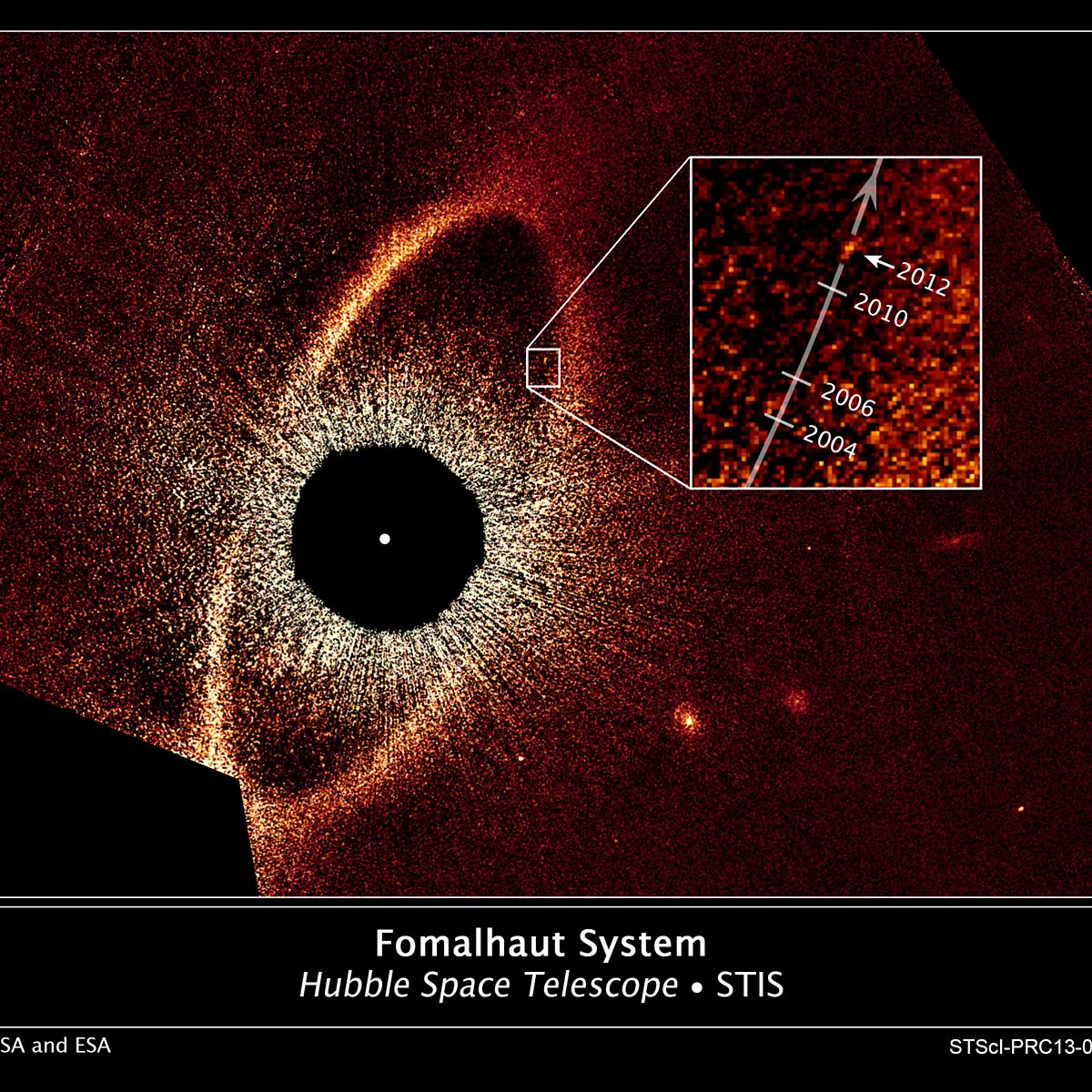
Report from AAS: Exoplanets (and exo-asteroids, and exo-comets) everywhere
This year's American Astronomical Society meeting featured tons and tons of news on exoplanets. They're everywhere! And not just planets, but also asteroids, comets, and more....
Can you find a new planet?
A change in the Kepler data delivery process provides both scientists and the public to get involved in planet discovery.