

 Explore Worlds
 Find Life
 Defend Earth


All
All
 Sun
Sun Mercury
 Venus
Venus Earth
Earth Mars
Mars Jupiter
 Saturn
 Uranus
 Neptune
 Small Bodies
Stories, updates, insights, and original analysis from The Planetary Society.

Subsurface Water Ice in Utopia Planitia, Mars
Martian radar expert Cassie Stuurman explains how the SHARAD instrument aboard NASA's Mars Reconnaissance Orbiter was used to detect buried ice deposits.

Emily's recommended space books for kids of all ages, 2016
Emily's eighth annual kids' space book recommendation post includes lots of new books for kids of all ages, 0 to 18.

NASA Under Trump
NASA under a Trump Administration will be hard times for Earth Science, and human spaceflight to the Moon will likely get renewed focus. However, NASA won't go anywhere if massive cuts to spending are enacted as promised.

HiRISE coverage of the Opportunity field site, version 1.0
As she did before for Curiosity, Emily Lakdawalla has searched through the HiRISE image archive for photos of the Opportunity landing site and sorted them all out so that you don't have to.

Spektr-RG sees (x-ray) light at the end of the tunnel
After many years of development, a cutting-edge Russian-German space observatory with little-known contribution from the US is finally approaching the launch pad...or so its scientists say.

The diverse ‘village’ behind Peggy Whitson, NASA's barrier-breaking astronaut
During the run-up to her third mission, veteran NASA astronaut Peggy Whitson has shifted the focus from herself to the team of trainers and technicians at Johnson Space Center.

GOES-R: A GOES Primer
The current GOES-East and GOES-West have been faithfully providing continuous imagery and data on Earth and space weather for almost a decade. So, with the launch of the first of the next generation of GOES satellites, GOES-R, what is NOAA trying to accomplish?

Great whirling Jupiter
Damian Peach's marvelous Jupiter photography, endlessly rotating in GIF form.

A week in the solar system
A roundup of pretty pictures and news from our robotic ambassadors around the solar system, from November 4 through 8.

Serene Saturn (or the “Glutton for Punishment” mosaic)
A week ago Saturday I decided -- against my better judgment -- to tackle this monster of a mosaic. I call it the
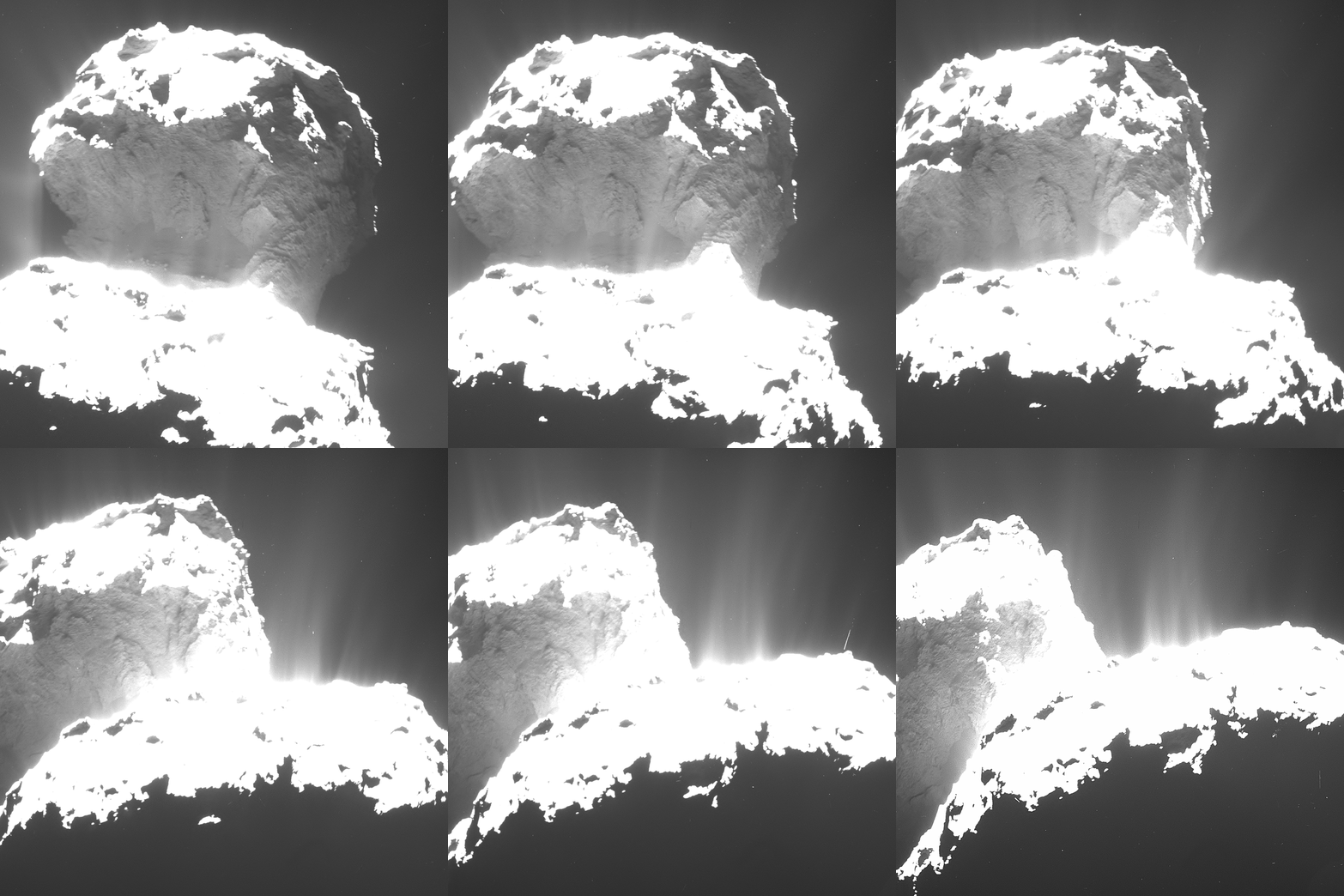
Rosetta in the Rearview: What Have We Learned?
Just over a month ago the European Space Agency’s Rosetta spacecraft finished its mission by spectacularly diving into the comet 67P/Churyumov-Gerasimenko. How did it observations influence and alter our ideas about the typical formation and lifetime of a comet?

Mars Exploration Rovers Update: Opportunity Scales Spirit Mound, Takes Shot at Schiaparelli
Opportunity spent the month of October on Spirit Mound studying the rich yet familiar geology at the first science stop on its 10th extended mission – pausing only to take a shot at freeze-framing part of the descent of Europe’s Schiaparelli lander.

Capturing Martian Weather in Motion
Still images of Mars often give a false impression that Mars is a dead planet—but time-lapse imaging from the European Mars Express spacecraft reveals the planet as it really is.

Stressed about the election? Take a beautiful video tour of the International Space Station
As the stressful election season draws to a close, a stunning new video tour of the International Space Station offers a reminder of what humans can do when we put aside our differences and work together.

Juno update: 53.5-day orbits for the foreseeable future, more Marble Movie
Juno may be staying in its 53.5-day orbit for quite a while. Here's a list of the future dates of the next 20 close approaches to Jupiter if the mission stays in that orbit, as well as the latest, near-final version of JunoCam's

An international outpost near the Moon gets closer to reality
International Space Station (ISS) project partners are inching ever closer toward an agreement to begin the development of a new human outpost in the vicinity of the Moon. If successful, the cis-lunar space station (a space station in the vicinity of the Moon) will be the largest international space project to date, influencing the direction of human space flight for decades to come.

Long March 5 launch blasts China into age of space station and deep space exploration
Today, China launched its largest rocket yet, the Long March 5, from the new coastal launch center on Hainan Island. The launch is a major step forward on the country's path to deep space.
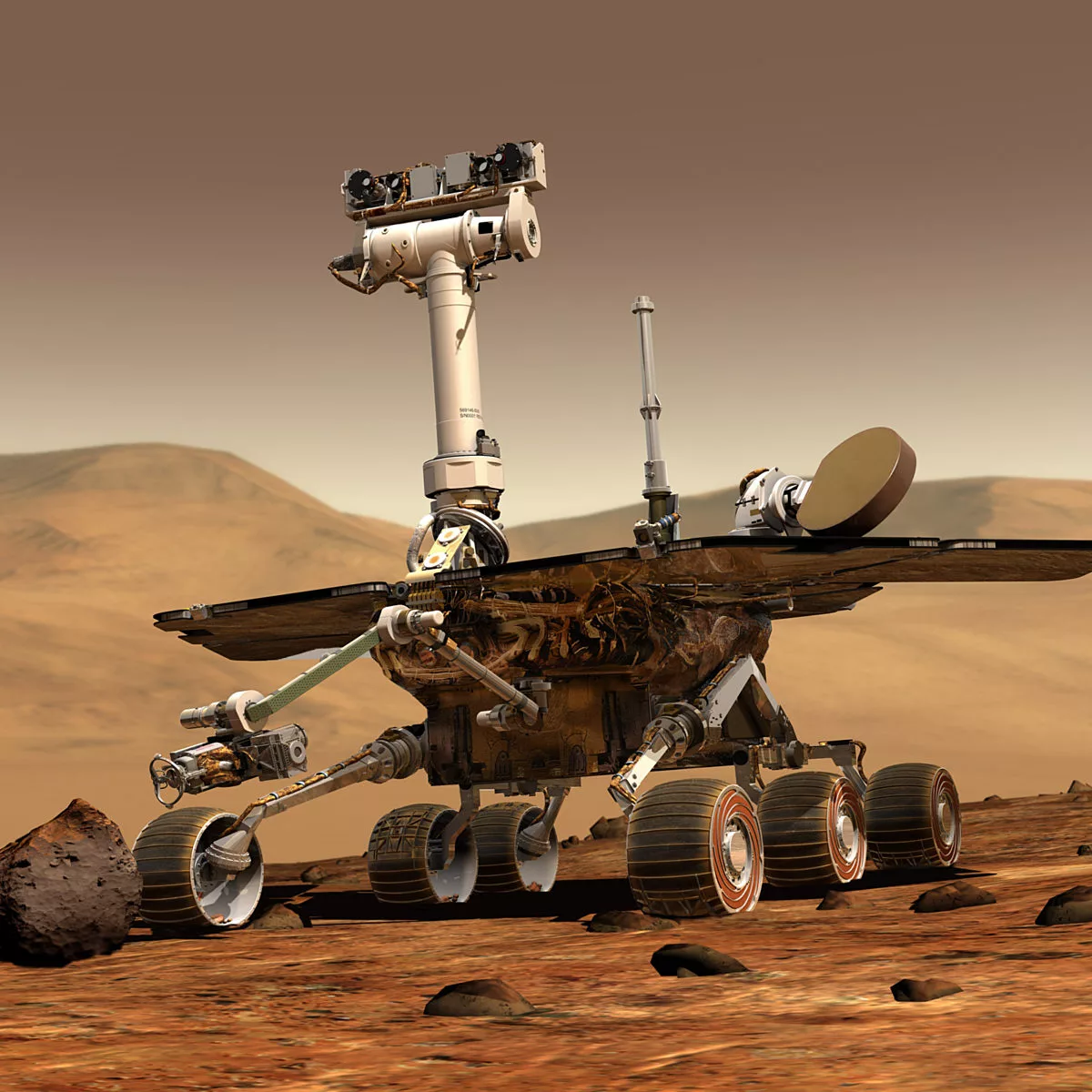
Field Report From Mars: Sol 4535 - October 26, 2016
Opportunity is currently finishing up observations of its first outcrop target of its 10th extended mission plan.

The flexible path to Mars: SLS, Orion and NASA’s Asteroid Redirect Mission
Since 2011, a once-in-a-generation transformation has been sweeping through NASA's human spaceflight centers in preparation for the era of SLS and Orion. How have the programs fared, and what first steps is NASA taking as it prepares for the journey to Mars?

What's up in the solar system, November 2016 edition: Cassini takes a leap, ExoMars starts science, Long March 5 launch
Cassini is going to make a major change to its orbit, getting much close to Saturn, setting up 20