

 Explore Worlds
 Find Life
 Defend Earth

All
All
 Sun
Sun Mercury
 Venus
Venus Earth
Earth Mars
Mars Jupiter
 Saturn
 Uranus
 Neptune
 Small Bodies
Stories, updates, insights, and original analysis from The Planetary Society.

Why do we need NASA when we have SpaceX?
Watching SpaceX's incredible feats, you might wonder whether we need NASA. But in reality the organizations do very different things and rely on each other for success.

Your Guide to Crew-1, SpaceX’s Second Astronaut Flight
The last time was a test. This time it was for real. SpaceX successfully launched 4 astronauts to the International Space Station on 15 November 2020.

NASA's Commercial Crew Program is a Fantastic Deal
NASA's commercial crew program stands to be the agency's lowest-cost human spacecraft effort in nearly 60 years.
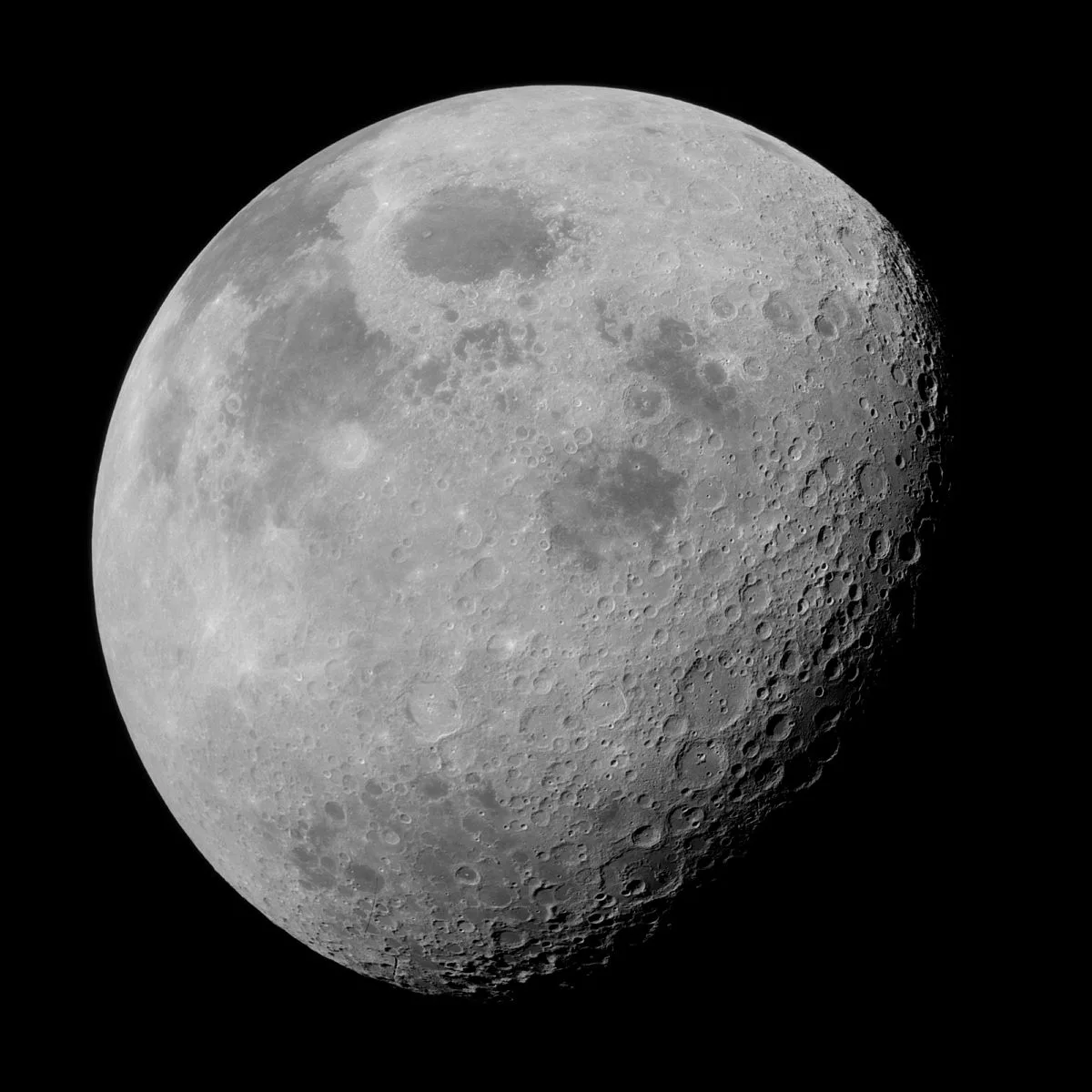
Is the Moon a Stepping Stone or a Cornerstone for Mars?
New legislation proposed in the House of Representatives would radically shift NASA's human spaceflight efforts away from the Moon and back to Mars.

The Most Important Space Policy Events of the 2010s
The end of the Space Shuttle, the rise of public-private partnerships, and the return to the Moon. As the 2010s come to a close, what were the most impactful events that shaped U.S. space policy?

Tourism: Apollo's Forgotten Legacy
Americans were deeply divided over the value of the Apollo program. One member of Congress had a radical idea: open Kennedy Space Center to the public.

Emily's Recommended Kids' Space Books: Special Apollo 11 Anniversary Edition for July 2019
So many Apollo-related books have come out in the first half of 2019 that I decided to cover them in a special summer book-recommendation blog. I have 5 brand-new Apollo-related books to recommend for kids, and include others I've recommended in past years.

Orion Completes Critical In-Flight Abort Test
The test showed Orion can blast itself away from the Space Launch System if the big rocket fails while attempting to fly to orbit.

Reconstructing the Cost of the One Giant Leap
How much did Project Apollo cost? Planetary Society experts answered that question by revisiting primary sources and reconstructing Apollo's entire cost history from 1960 - 1973.

Apollo 11 Little West Crater Panorama
Apollo 11’S landing on 20 July 1969 was the day humans first set foot on another world. For the risky, challenging endeavor, NASA sought a smooth landing site, one lacking craters or mountains.

A Crash Program or Modest Proposal?
The White House released a long-awaited supplemental budget request for NASA today. It proposes an additional $1.6 billion for an accelerated human spaceflight effort to land on the Moon in 2024. This boosts the President's budget request for NASA to $22.6 billion in fiscal year 2020, which is approximately $1.1 billion or 5% more than the amount provided by Congress last year.

What Can We Learn from a Failed Return to the Moon?
Thirty years ago, President George H.W. Bush announced an ambitious program to return humans to the Moon. It failed. Today the Trump Administration wants the same thing. Can a failed lunar return effort help this one succeed?

Hearing Recap: NASA’s FY 2020 Budget Request
On March 27, 2019, the House Appropriations Subcommittee on Commerce, Justice, Science and Related Agencies held a hearing titled, “NASA’s FY 2020 Budget Request.”

T-minus Five Years and Counting
Can NASA really return astronauts to the Moon by 2024?

A Joyless 'First Man'
Space fans will enjoy the movie for its depictions of early spaceflight itself. But it avoids the richness and complexity of human experience, leaving behind awe and joy in favor of an emotional landscape as uninviting as the Moon.

NASA Then & Now
A collection of before and after slider images showing how views of planets in our solar system have changed over the years since NASA was created.

Throwback Thursday Funpost! That time I created work for the ISS crew
An important American flag is lost and found aboard the International Space Station.

Function over form: NASA's Space Launch System gets a new paint job
Last week, NASA revealed an updated design for the Space Launch System, featuring black-and-white checkerboards streaking down each of the vehicle's solid rocket boosters.

NASA unveiled new plans for getting humans to Mars, and hardly anyone noticed
NASA revealed its most concrete plan yet for sending humans back into deep space, centered around a small lunar space station and a reusable transport ship to carry astronauts to Mars and back.

Let's talk about this whole Moon vs. Mars thing for human spaceflight
NASA's current human spaceflight goal is Mars, but the Trump administration could change that to the Moon. Is that a good idea? Here's an in-depth look at the differences in science gain, the arguments for and against a potential commercial market, and whether or not the technological and operational challenges required to reach the Moon apply to Mars.