

 Explore Worlds
 Find Life
 Defend Earth


All
All
 Sun
Sun Mercury
 Venus
Venus Earth
Earth Mars
Mars Jupiter
 Saturn
 Uranus
 Neptune
 Small Bodies
Stories, updates, insights, and original analysis from The Planetary Society.

Asteroid Minerva finds its magical weapons in the sky
The International Astronomical Union has chosen the names Aegis and Gorgoneion for the two moons of the asteroid (93) Minerva. We decided to crowd-source the names, catching the attention of the public. Over the following year, I received a lot of emails with suggestions

Cosmos with Cosmos Episode 9: The Lives of the Stars
This episode highlights the other big idea in Cosmos: that we are profoundly connected with the universe around us. Our constituent parts are forged in the bellies of massive stars; we exist through their deaths.
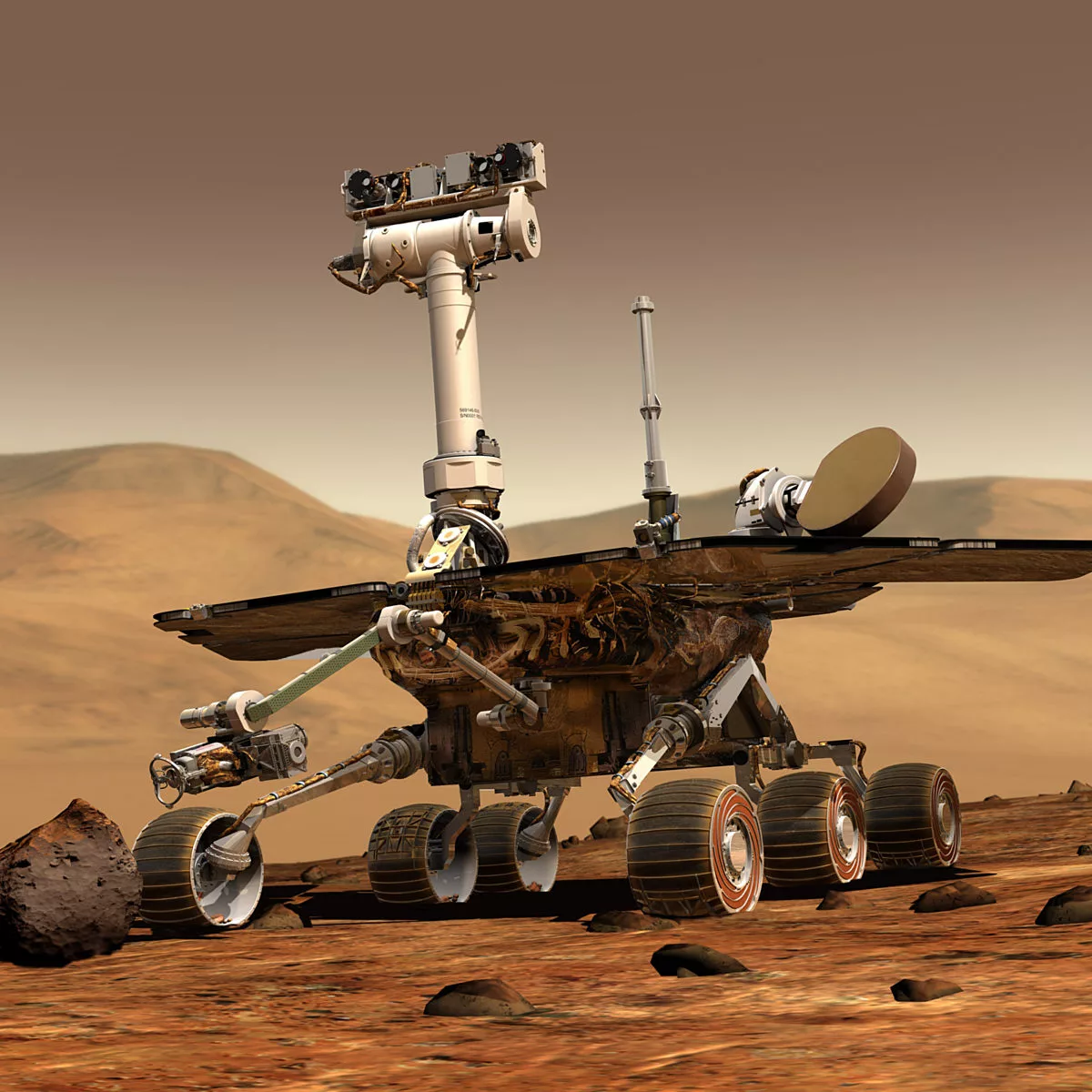
Planetary Radio: Ten Years A Roving: The Mars Exploration Rovers
This week's show looks back over ten years of exploration by Spirit and Opportunity. Writer A.J.S. Rayl recounts the challenges encountered early in the mission, and how an outstanding team triumphed.

Chang'e 3 update with lots of pictures: Yutu begins lunar journey
There was a lot of action on Chang'e 3 over the weekend! I have lots of pictures to share, including the highest-quality one I've seen of the rover on the surface, plus video of the rover making tracks on the Moon and a 3D view of the lander.

Book reviews: On habitable environments, and the rovers that explore them
I've got some books to recommend on astrobiology, planet Earth and its living creatures, impact cratering, and Mars rovers.

Habitability, Taphonomy, and Curiosity's Hunt for Organic Carbon
Lots of people ask questions about how the Curiosity mission, and future missions, will forge ahead to begin with looking for evidence of past life on Mars. There is nothing simple or straightforward about looking for life.

Chang'e 3 and LADEE updates: Yutu active again, LADEE didn't detect landing
Chinese state television broadcast a display of a Chang'e 3 lander image; the Yutu rover is awake; and LADEE reports a surprising non-detection of the Chang'e 3 landing.

NASA re-creates the Apollo 8 Earthrise using Lunar Reconnaissance Orbiter data
If there's one thing I've learned after decades of studying the first human voyages to another world, it's that there is always more to discover about Apollo. Case in point: The Apollo 8 Earthrise photo that became one of the iconic images of the 20th century.
Book Review: Alien Seas, and so much more
Alien Seas is ostensibly a book about

Curiosity update, sols 465-487: Wheel inspection, software upgrade, Cumberland dump
Curiosity activities over sols 465 to 487 included monitoring the condition of the wheels; a flight software upgrade; and dumping the Cumberland drill sample. Curiosity put approximately 200 meters on the odometer during this period.

An Updated Mars Exploration Family Portrait
The Mars Exploration Family Portrait shows every dedicated spacecraft mission to Mars, and now includes India's Mars Orbiter Mission and NASA's MAVEN.

This Week's Planetary Radio: Reporting Big News from AGU
Major revelations about our solar system at last week's AGU conference came from near and far. Emily Lakdawalla and Casey Dreier share a few, while Bill Nye salutes China's Chang'e 3 lunar lander and rover.
Cosmos with Cosmos Episode 8: Journeys Through Space and Time
Sagan makes us confront the limitations of our mortality given the immensities of space and time presented to us by the cosmos.

Conversations with an interplanetary spacecraft: "Hi, Juno!"
Juno's Earth flyby represented the first opportunity for many of the science instruments to be used on a planetary target. There were terrific photos of Earth and the Moon, plus a cool project to see if Juno could detect intelligent life on Earth.

Chang'e 3 update: 6 instruments active, new fan-produced landing video
Today there was a lengthy press briefing by several members of the Chang'e 3 science team. A complete transcript was posted in Chinese. I have run it through two machine translators and found it to be quite informative, not just about the mission but also about attitudes about Chinese space exploration and foreign cooperation. I also have a cool fan-produced video to share.

Destination: Europa!
It's time to reassess Europa exploration, past, present and future. The Destination Europa! session at AGU, inspired by the eponymous website and movement, didn't take exactly that message as its theme, but it's what I got from the presentations. What an ELECTRIFYING meeting this has been for Europa exploration!
Color photo of Yutu rover and Chang'e lander, and more on the Chang'e 3 landing site
Fresh off of Chinese state television are lovely pictures taken by Chang'e 3 lander and rover of each other!

Amazing Chang'e 3 descent video
Watch and enjoy this full video of Chang'e 3's descent onto the lunar surface.
Chang'e 3 has successfully landed on the Moon!
Transmitting images all the way down, China's Chang'e 3 lander successfully arrived on the lunar surface at 13:11:18 -- half an hour before the scheduled landing time. Rover deploy is set for a few hours later.

Six wheels on soil for Yutu!
Here it is! Animated gifs, composed of screen grabs from Chinese state television, of the Yutu rover rolling on to the lunar surface. This was a replay, but it was no less thrilling for that; the actual rollout happened at 20:40 UT (12:40 PT). Six wheels on soil! Woohoo!