

 Explore Worlds
 Find Life
 Defend Earth


All
All
 Sun
Sun Mercury
 Venus
Venus Earth
Earth Mars
Mars Jupiter
 Saturn
 Uranus
 Neptune
 Small Bodies
Stories, updates, insights, and original analysis from The Planetary Society.

Akatsuki, IKAROS, UNITEC-1, and your names are on their way to Venus
It was a picture-perfect launch for three Venus-bound spacecraft this morning: the Akatsuki Venus orbiter, the IKAROS solar sail, and a university-built minisat named UNITEC-1.

Pretty picture: Messier 83
What does a barred spiral galaxy look like? THIS is what a barred spiral galaxy looks like.
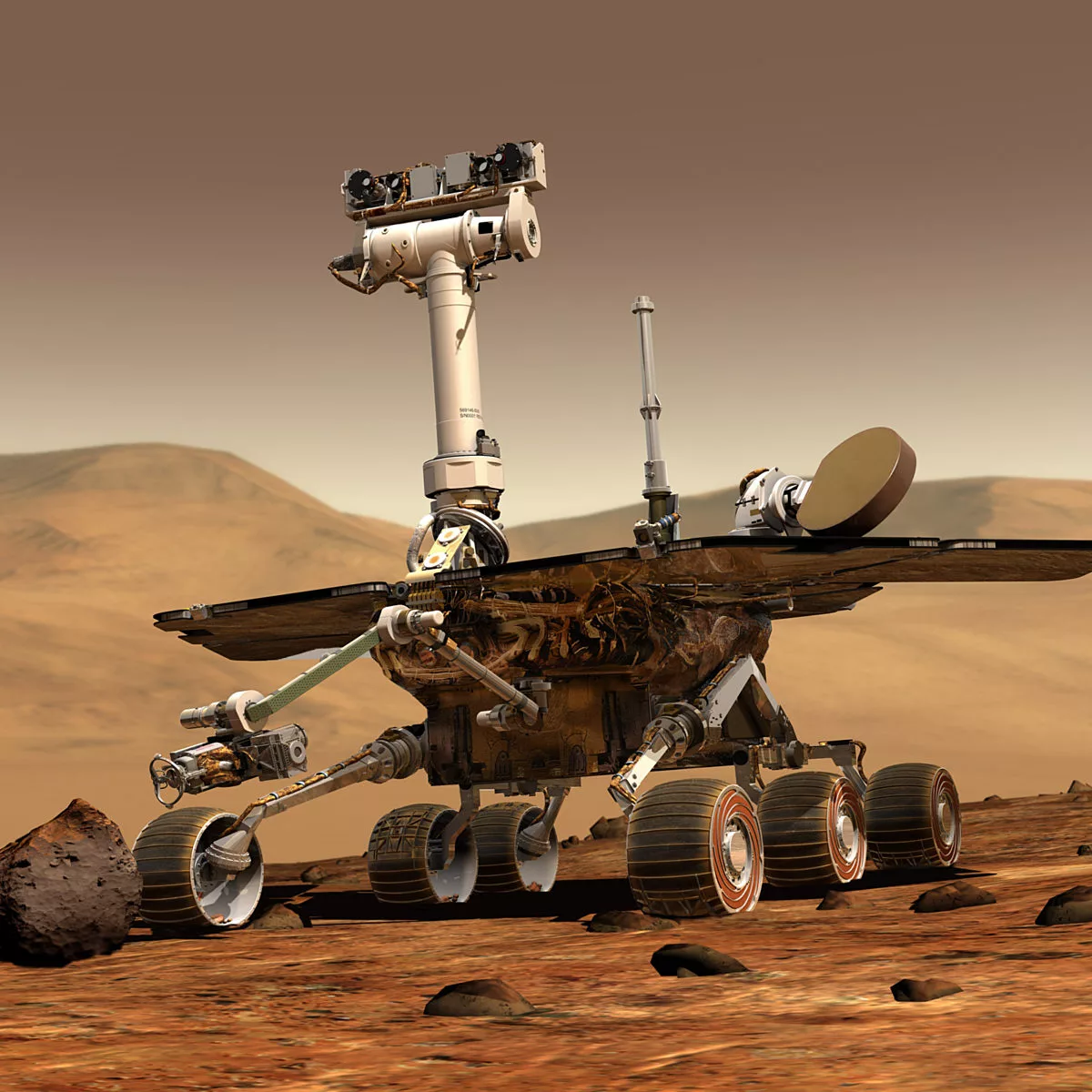
Opportunity: longest-lived landed Mars mission
Today is sol 2,246 of Opportunity's mission to Mars; as I write, it's just before 7:00 local solar time. If this sol passes, as her previous 2,245 have done, with Opportunity still alive and speaking to Earth, she will have surpassed a record set on November 12, 1982: Opportunity will pass Viking Lander 1 as the longest-lived landed Mars mission.

The most amazing image of Enceladus Cassini has captured yet
Every time I think Cassini has captured the coolest image of Enceladus ever, it does better.

Pictures hitting Earth from Cassini's close Enceladus flyby today
Cassini flew within 436 kilometers of Enceladus' surface today. Although it's Cassini's 11th targeted flyby of Enceladus, these close buzzes are never routine.

Akatsuki and IKAROS new launch date set
According to the Akatsuki Twitter feed, the next try for launch of Akatsuki and IKAROS will be Thursday, May 20, at 21:58:22 UTC.

Voyager 2 status update: Yep, it was a flipped bit
Voyager 2's engineers have confirmed that the problem with the spacecraft was indeed the result of a single flipped bit in its software, as they predicted.

Akatsuki and IKAROS launch scrubbed due to weather
The countdown for the planned launch of Akatsuki and IKAROS got to about four minutes before they decided to cancel the attempt due to weather, and I can't blame them.

Sighting the homeworld
Coming closer every day, Mr. Hayabusa has sighted his final destination: his homeworld, Earth, and its attendant Moon.
Solstice? What solstice?
Thumbing her nose at this whole winter thing, Opportunity drove 20 meters yesterday, sol 2,240, on the winter solstice.

Venus, and the Moon, and Atlantis, and ISS, and Magellan
Pam Chadbourne, one of the many engineers who made the Magellan Radar Mapper mission possible, sent this note out to Magellan team members this morning, and graciously permitted me to post it here.

Photos of your names on the IKAROS spacecraft
IKAROS, Japan's solar sail, is nearly ready for launch, piggybacked behind the Venus orbiter Akatsuki.
Update on Voyager 2 status
Good old Voyager 2; she takes a licking and keeps on ticking.

Happy solstice -- on Mars
It's the solstice on Mars today: summer in the north, winter in the south.

New maps of Enceladus and other moons
Every time Cassini gets reasonably close to one of the moons of Saturn, whether the close approach is a targeted one or just an opportunistic encounter, its planners usually take advantage of the proximity to take a bunch of photos.

Talking Lasers on Aussie Radio
Through a crazy random happenstance, I was just interviewed by a friend of a friend of a friend at Australian radio station 'triple j' for a feature on lasers!

A Martian Moment in Time, revisited
A good start to my day today: The New York Times' Lens Blog featured the

Radar glories in Titan rivers
Wow, this is a cool paper. Here's the gist: the Cassini RADAR team has spotted some river channels on Titan that shine so brightly in radar images, there must be something special going on to explain that brightness.

Jupiter has lost a belt!
Via Daniel Fischer's Tweet about a blog entry by Astro BobI learned of something which should be obvious to anyone who has trained even a rather small telescope on Jupiter over the past few weeks: one of its iconic stripes is just plain gone.

Akatsuki and IKAROS getting ready for launch, with your names aboard
I've been so focused on the dramatic return of