

 Explore Worlds
 Find Life
 Defend Earth


Planetary Radio Episodes
Since 2002, Planetary Radio has visited with a scientist, engineer, project manager, advocate, or writer who provides a unique perspective on the quest for knowledge about our Solar System and beyond. The full show archive is available for free.

The Planetary Society’s experts look forward to a great year of firsts in the solar system and beyond.

NASA’s Orion spacecraft has taken its first step toward Mars and an asteroid mission. The Planetary Society’s Jason Davis was at the Kennedy Space Center for the December 5 mission.

Spoiler alert. Famed physicist Kip Thorne says you might be able to survive a plunge into a black hole after all! That’s just one molecule of the fascinating science behind the science fiction film he helped create. We’ll talk about the movie and Kip’s new book, “The Science of Interstellar.”
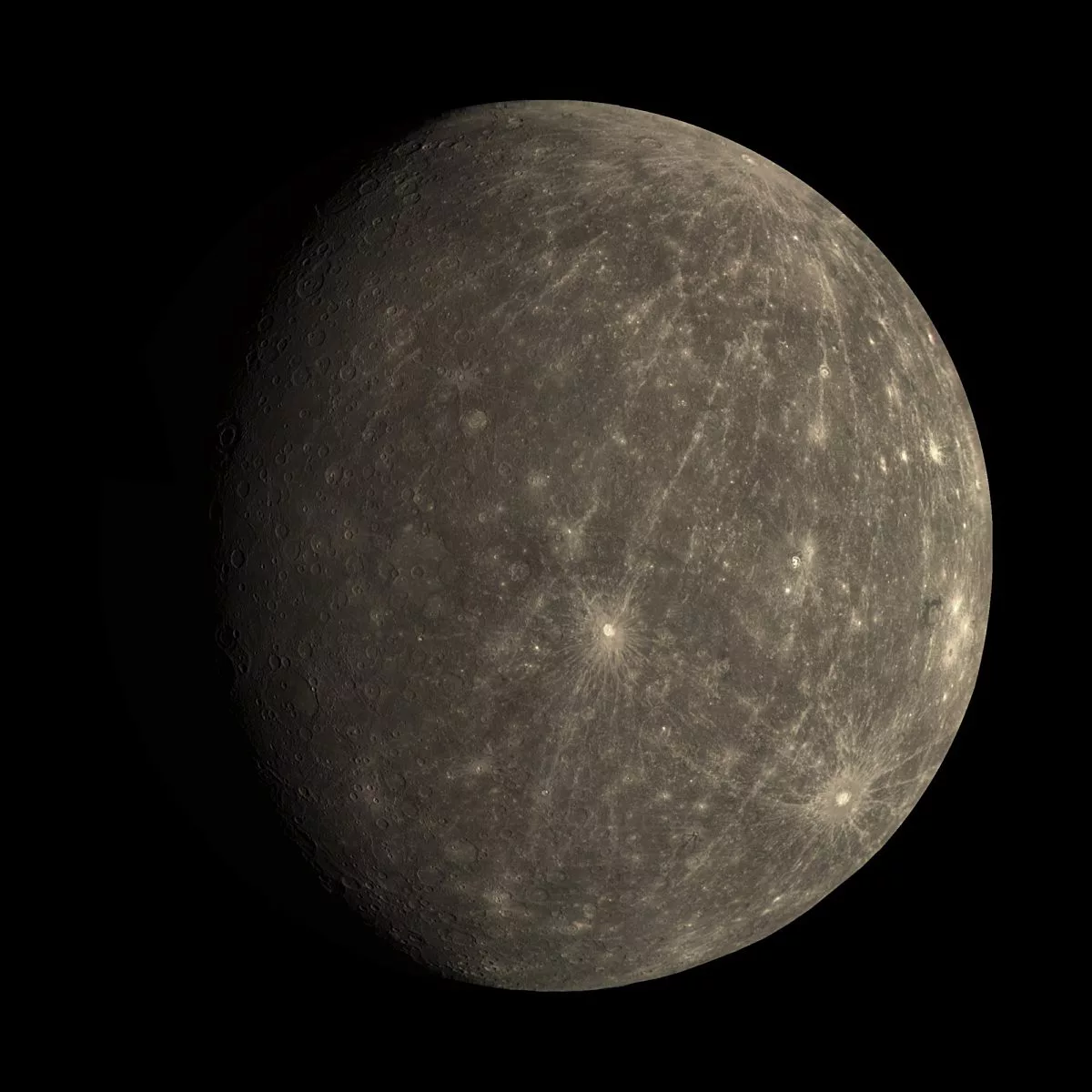
MESSENGER has been orbiting the innermost planet for more than three-and-half-years. Principal Investigator Sean Solomon returns with a status report as the mission enters its final phase.

Ilse Cleeves is lead author of a paper that concludes up to half of our solar system’s water is older than the solar system itself. The implications for life across the galaxy are profound.

Inspired by Star Trek, distinguished physicist Miguel Alcubierre developed the general relativity-based model for warp drive 20 years ago. Hear why he doubts it will ever be a reality, and learn about his current research on gravitational waves.

Explore Mars wants to look for life on the Red Planet. Not past life. Life thriving under the Martian surface right now. Chris Carberry will tell us how the ExoLance project might find it.

Harvard’s Henry Lin led work that determined the soon-to-be-launched James Webb Space Telescope may be able to detect an alien civilization by analyzing its atmosphere.

In his 55 years as NBC’s space correspondent, Jay Barbree has won the respect and friendship of many astronauts. Neil Armstrong stands above them all. Now Jay has created this very personal chronicle about his friend, with help from Neil and many of the other pioneering spacefarers.

LightSail, the Planetary Society’s innovative solar sail cubesat, will ride into space on the huge SpaceX Falcon Heavy, now in development. Bill Nye and others join us for a live celebration of this announcement.

There’s so much we don’t know about the origin of life here or anywhere else in the universe. But there must have been an energy source. Researcher Laurie Barge led work that simulated the natural formation of a fuel cell that may have taken place in Earth’s primordial oceans.

Planetary Radio visited Spacefest in Pasadena to talk with planetary scientist and space artist Dan Durda, Marc Rayman of the Dawn asteroid mission, and a guy who calls himself the Space Cowboy. We also eavesdrop on Apollo 17 Commander Gene Cernan and his lifelong fan, Griffith Observatory Curator Laura Danly.

You may have heard that the sometimes deadly Salmonella bacterium becomes stronger in microgravity. Cheryl Nickerson tell us about this and other results her team has conducted in low Earth orbit.

Take a spacecraft that can no longer survey the realm of galaxies and repurpose it to discover thousands of much nearer asteroids and comets. Put it to sleep for 2.5 years, then wake it up and start discovering even more! JPL’s Amy Mainzer is Principal Investigator for NEOWISE, the mission using this amazing space telescope.
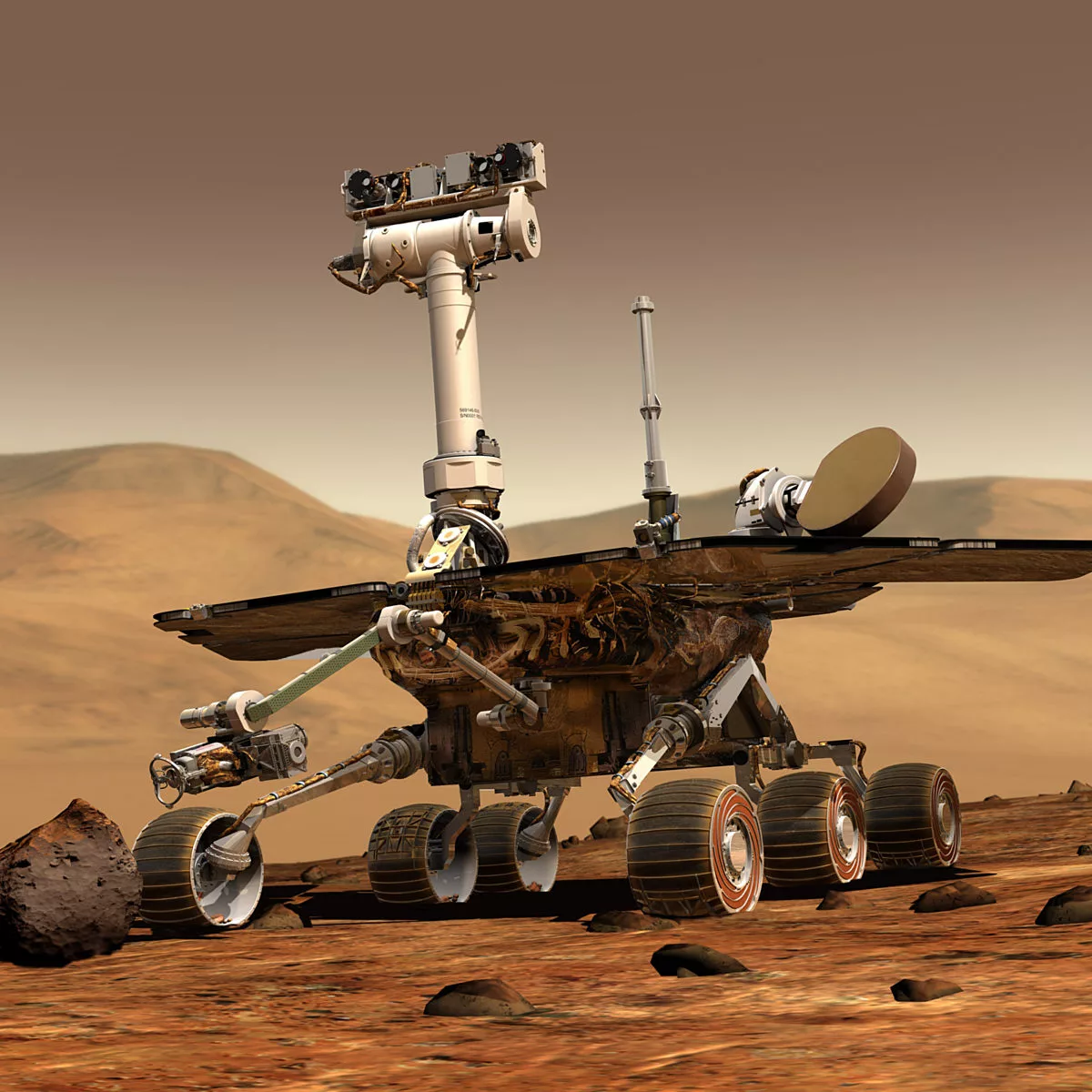
What a long, wonderful trip it has been for Spirit and Opportunity, the Mars Exploration Rovers. Planetary Society reporter A.J.S. Rayl has been writing about their adventure every month for ten years. She looks back on this week’s show.

Alyssa Rhoden studies Jupiter’s moon Europa…from a distance. She, many other scientists and millions of space exploration fans around the globe want to see a mission to this ice world that hides a vast, warm ocean. That’s why she and several colleagues have created Destination: Europa, and they want your help.

The successful launch of MAVEN was covered by Mat Kaplan, Bruce Betts and Emily Lakdawalla, with special, launch site reports from Jim Bell and Bill Nye.

A burst of laser light could let humanity know it is not alone in the universe. Harvard’s Paul Horowitz and Curtis Mead will give us an update on the technological wonder of Optical SETI that watches the entire sky for billionth of a second pulses from the stars.

Casey Dreier tells the winding tale of Plutonium 238, the radioactive isotope that is vital for exploration of the solar system. The US came dangerously close to exhausting its supply. Even with production restarted, there are major challenges facing explorers.
Juno Principal Investigator Scott Bolton reviews the spacecraft's Earth flyby and previews its long stay at our solar system's king of planets.