

 Explore Worlds
 Find Life
 Defend Earth


All
All
 Sun
Sun Mercury
 Venus
Venus Earth
Earth Mars
Mars Jupiter
 Saturn
 Uranus
 Neptune
 Small Bodies
Stories, updates, insights, and original analysis from The Planetary Society.

LPSC: Thursday: Can bugs get from Earth to Europa?
LPSC: Thursday: Can bugs get from Earth to Europa?
LPSC: The Poster Sessions, Tuesday and Thursday
LPSC: The Poster Sessions, Tuesday and Thursday

LPSC: Wednesday afternoon: Cassini at Enceladus
So after those two rover talks I skipped over to the other large room to listen to what the Cassini science teams had to say about Enceladus.
LPSC: Thursday: The Moons of Jupiter and the future of Outer Planet Exploration
I said earlier I was going to cover the poster sessions next, and there are some cool things that I want to write about, but I thought I'd better get to something a bit more topical a bit sooner: Europa and the other Galilean satellites, and when (if!?) we'll be exploring them again.

LPSC, Wednesday morning: Titan
This morning at the Lunar and Planetary Science Conference began with Titan, and then later in the morning I had to choose between skipping Titan and going over to rover sessions, or staying with Titan. I elected to stay with Titan.

The hubbub about Enceladus
I just posted a very brief story about all of the press releases that have been whizzing around today about the possibility of liquid water on Enceladus.

Notes from this morning's Mars Reconnaissance Orbiter press conference
They held the usual pre-arrival press conference this morning for Mars Reconnaissance Orbiter. This press conference typically doesn't convey any information that people who have been paying attention don't already know.
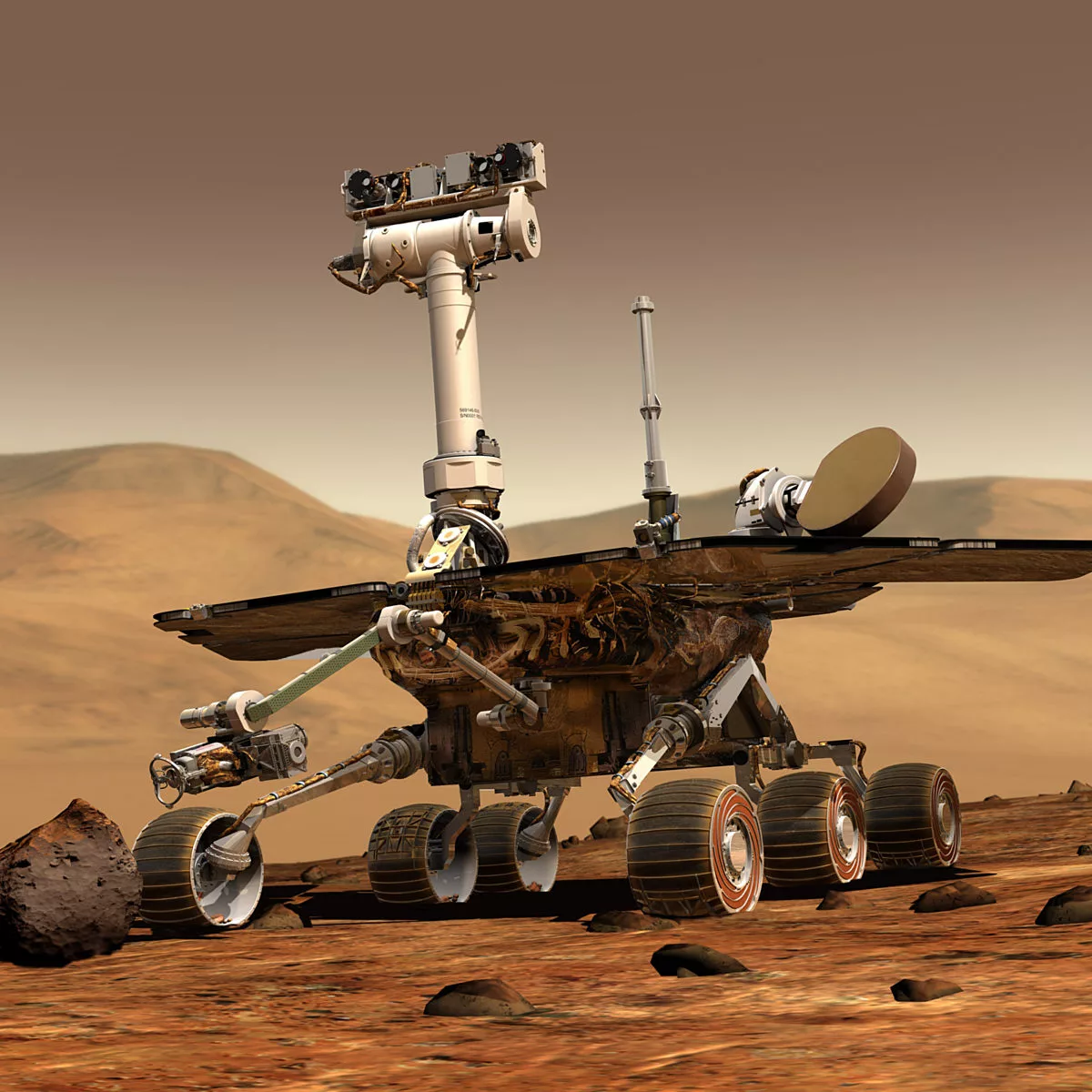
Mars Exploration Rovers Update: Spirit Slides into Home Plate as Opportunity Finishes Work at Erebus
As early autumn descends on the southern hemisphere of the Red Planet, the Mars Exploration Rovers are on the move and picking up the pace as they rove toward their next major destinations.

Cassini is wrapping up another Titan flyby
This one is

Suggestions for names of Pluto's moons
I received quite a number of emails containing suggested names for Pluto's moons -- thanks! I just sent all the suggestions to Alan Stern; here they are for everybody's enjoyment.
Speaking of Pluto...
I just posted today's installment of Planetary Radio, in which Mat Kaplan gets an update on New Horizons from Principal Investigator Alan Stern-- check it out!

Many, many views of Saturn's moons
Another thing I've been trying to catch up on is the daily imaging activities of Cassini, but that, too, has been tough because Cassini has been taking so dang many pictures!

The Orbital Dance of Epimetheus and Janus
Saturn is surrounded by a crowded family of rings and moons, and two of those moons -- Epimetheus and Janus -- orbit Saturn so close together that it seems as though their different orbital speeds should make them crash into each other.
Mars Exploration Rovers Update: Spirit Heads to Home Plate as Opportunity Finally Roves On
As the Mars Exploration Rover mission presses onward into its third Earth year -- and second Mars year -- the twin robot field geologists are moving to new destinations.

Where is New Horizons now?
It's in space, of course, and has a very, very long way to go to Pluto (nearly 50 billion kilometers). But it's finally more than 1 Astronomical Unit from the Sun.
New Horizons update
I received a lot of email over the weekend about New Horizons. Many of them were expressing concern about how little news there has been since launch. Have no fear.
OK, back to New Horizons!
So the Stardust press conference is still going on on NASA TV, but I am now turning to the Internet to monitor the status of New Horizons' third attempted launch day.