

 Explore Worlds
 Find Life
 Defend Earth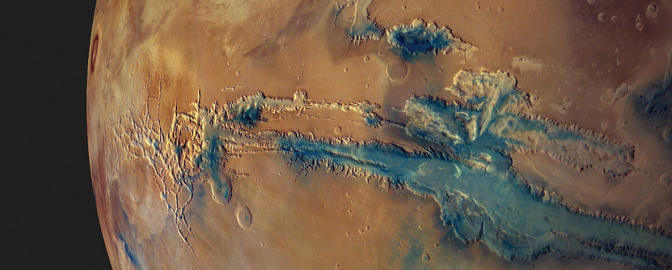


All
All
 Sun
Sun Mercury
 Venus
Venus Earth
Earth Mars
Mars Jupiter
 Saturn
 Uranus
 Neptune
 Small Bodies
Stories, updates, insights, and original analysis from The Planetary Society.

Door 21 in the 2010 advent calendar
Time to open the twenty-first door in the advent calendar. Where in the solar system is this rumpled blanket?

Mimas wanders in to view
Cassini's busy downlinking photos from yesterday's close pass by Enceladus, including some neat shots of Dione and this one where Mimas skipped briefly in to the field of view.

Door 20 in the 2010 advent calendar (special news update)
Time to open the twentieth door in the advent calendar. Where in the solar system is this diffuse blob and stripy sea?

Door 10 in the 2010 advent calendar
Time to open the tenth door in the advent calendar. Where in the solar system is this jumble of bouldery fissures?

Door 6 in the 2010 advent calendar
Time to open the sixth door in the advent calendar. Where in the solar system are these snowy slopes?

Door 1 in the Planetary Society Blog 2010 advent calendar
December really has arrived, and that means that the year is racing to a close. Continuing last year's tradition, I'm counting the days to the New Year with an advent calendar, where each

365 Days of Astronomy Podcast: What's in a Science Meeting?
Today the 365 Days of Astronomy podcast aired my contribution, What's in a Science Meeting?, about what scientists do at big meetings like the Division of Planetary Sciences.

Pretty picture: Three moons of Saturn
The Cassini Raw Images Website always offers rewards to the browser. This evening I found the raw images necessary to create this color composite, showing the hazy orange moon Titan, the mid-sized icy moon Dione, and the tiny rock Prometheus all at the same time.

An update to the Cassini Tour Page
Where's the Cassini Saturn orbiter going to be in the next week -- or hundred weeks? It's all already planned out.
DPS 2010: Pluto and Charon opposition surges, Nix and Hydra masses, Pluto and Eris compositions
An awful lot of the talks in the Pluto session on Tuesday morning, October 5, at the Division of Planetary Sciences meeting spent more time focusing on how bad weather conditions were during the astronomers' attempts to view Pluto as it occulted background stars than they did on any measurements or science that came out from the data.

Voyager Mission Status Bulletins: Jupiter and Saturn
Last week I posted a stack of Voyager Mission Status Bulletins, which were once the main resource for space enthusiasts to follow the dramatic events and photos of an in-flight space mission.

Pretty picture: Crescent Dione
I was busy with other projects today, so today's post just asks you to look at this gorgeous three-image mosaic of a crescent Dione, taken during Cassini's most recent flyby a week ago.

Fly over Saturn's icy moons
A couple of weeks ago Paul Schenk posted a few really cool videos to his personal blog. Paul's subspecialty is the topography of icy moons, and he's been doing a lot of work on the moons of Saturn lately.

Decoding a Titan crater
In response to Emily's entry about finally getting her hands on a subscription to the planetary science journal Icarus, I thought I would report on an article from the most recent issue: Geology of the Selk crater region on Titan from Cassini VIMS observations, by Jason Soderblom and 11 other scientists.

Weekend treats from Cassini: Enceladus plumes plus bonus Tethys and Dione
Over the last couple of days Cassini flew past Enceladus, Tethys and Dione, so there are lots of treats to see on the raw images website! You should go check it out for yourself, but here are a couple of real favorites.

How to Recognize Titan from Quite a Long Way Away
You know, I could fill this blog almost entirely with the amazing images that Gordan Ugarkovic locates, processes into prettiness, and uploads to his Flickr account.

Cassini catches four little moons in motion
I've posted animations from Cassini before in which there are multiple moons moving around, but this is one of the coolest such sequences I've seen yet.

Goodies from the latest Cassini data release
I've spent a pleasurable hour or so browsing over the latest release of images from Cassini to the Planetary Data System.

Voyager at Saturn, one year later
Here are two newly processed portraits of Saturn, showing the planet just after its equinox.

Watching the birth and death of moonlets in Saturn's F ring
The Saturn system is always in motion, always changing. Saturn itself is a gas giant, with swirling storms, and like the other gas giants it has a host of moons flying around, perturbing each other's motions. And then there's the rings.