Explore Worlds
 Find Life
 Defend Earth


We believe the future of space exploration depends on public support and participation.
Our Approach
The Planetary Society and its members actively work to create the future we want to see in exploration. Engaging people from all over the world through our projects and activities, we work together to provide seed funding to innovative technologies, fund astronomers hunting for hazardous asteroids and researching planets orbiting other stars, support searches for extraterrestrial life, and pursue answers to our own scientific questions.
Our Science & Technology program:
- Provides citizens with opportunities to participate in space science and technology projects
- Improves the quality and quantity of space science and technology projects in which citizens can participate
- Provides funding to innovative new science and technology
Our program's approach is to invest in innovative science and technology to propel advances in space science and exploration.
"Thanks to the support of Planetary Society members around the world, we're on the verge of breakthrough precision that will allow for new discoveries."
—Dr. Debra Fischer, Yale University astronomer and head of the 100 Earths exoplanet-hunting project at Lowell Observatory
Our Results
Our LightSail 2 mission was the first CubeSat to demonstrate controlled solar sailing in Earth orbit.
In 2019, LightSail 2 was the winner of TIME's Best Inventions of the Year and Popular Science's Grand Award Winner in Aerospace.
Over 28 years, our Shoemaker NEO Grant program has awarded a total of approximately $673,000 in 88 awards to astronomers in 23 countries on six continents to find, track and characterize near-Earth objects.
How You Can Help
There are lots of ways you can advance space science and technology, from contributing to crowdfunding campaigns for innovative technologies, to better educating yourself about the latest developments, and much more.
Take Action
Want to do something right now? You can take part by supporting the latest cutting edge science and technology that The Planetary Society is working on. You can also spread the word by sharing the story of our LightSail 2 solar sailing spacecraft.
Educate Yourself
Gaining a better understanding of past and present space missions will orient you to the advances in exploration that our Science & Technology program is working towards. Learn more about the worlds of our cosmos and the missions to explore them.
Stay Informed
Space science and technology is an ever-changing field, and keeping on top of it can be challenging. We curate a weekly email newsletter to help keep you up to speed with the latest developments from our own projects and external ones from around the world. Plus our weekly radio show and podcast, Planetary Radio, connects you directly with the people leading the way in space science and technology.
Featured Projects

Demystifying near-Earth asteroids
The Planetary Society is supporting researchers at the University of Belgrade, Serbia, as they work to determine what near-Earth asteroids are made of without leaving our planet.

Are we alone in the Universe? SETI project
Citizen scientists will train computer algorithms that will be used to search for life beyond Earth.

LightSail, a Planetary Society solar sail spacecraft
LightSail is a citizen-funded project from The Planetary Society to send a small spacecraft, propelled solely by sunlight, to Earth orbit.

STEP Grants: Science and Technology Empowered by the Public
The Planetary Society's STEP Grants fund innovative science and technology projects that advance solar system exploration, bolster the search for life, and help defend Earth from dangerous asteroids.

Studying salty Earth lakes to learn about other worlds
The Planetary Society is funding a study of salty lakes that may be similar to ancient Mars and some of the Solar System's ocean moons.

Growing veggies for the Moon and Mars
If we're going to live on the Moon and Mars for extended periods, we'll have to grow crops in space.

Our Exoplanets Projects
Since 2009, Planetary Society members have supported work by Debra Fischer, one of the world's top exoplanet researchers. These projects have greatly improved our ability to search for Earth-like exoplanets.

Gene Shoemaker Near-Earth Object Grants
The Planetary Society's Shoemaker NEO grant program funds advanced amateur astronomers to find, track, and characterize potentially hazardous near-Earth objects.

Planetary Deep Drill
Planetary Deep Drill is designed to explore tens, hundreds or even thousands of meters below the Martian polar ice caps and Europa's icy crust.

PlanetVac
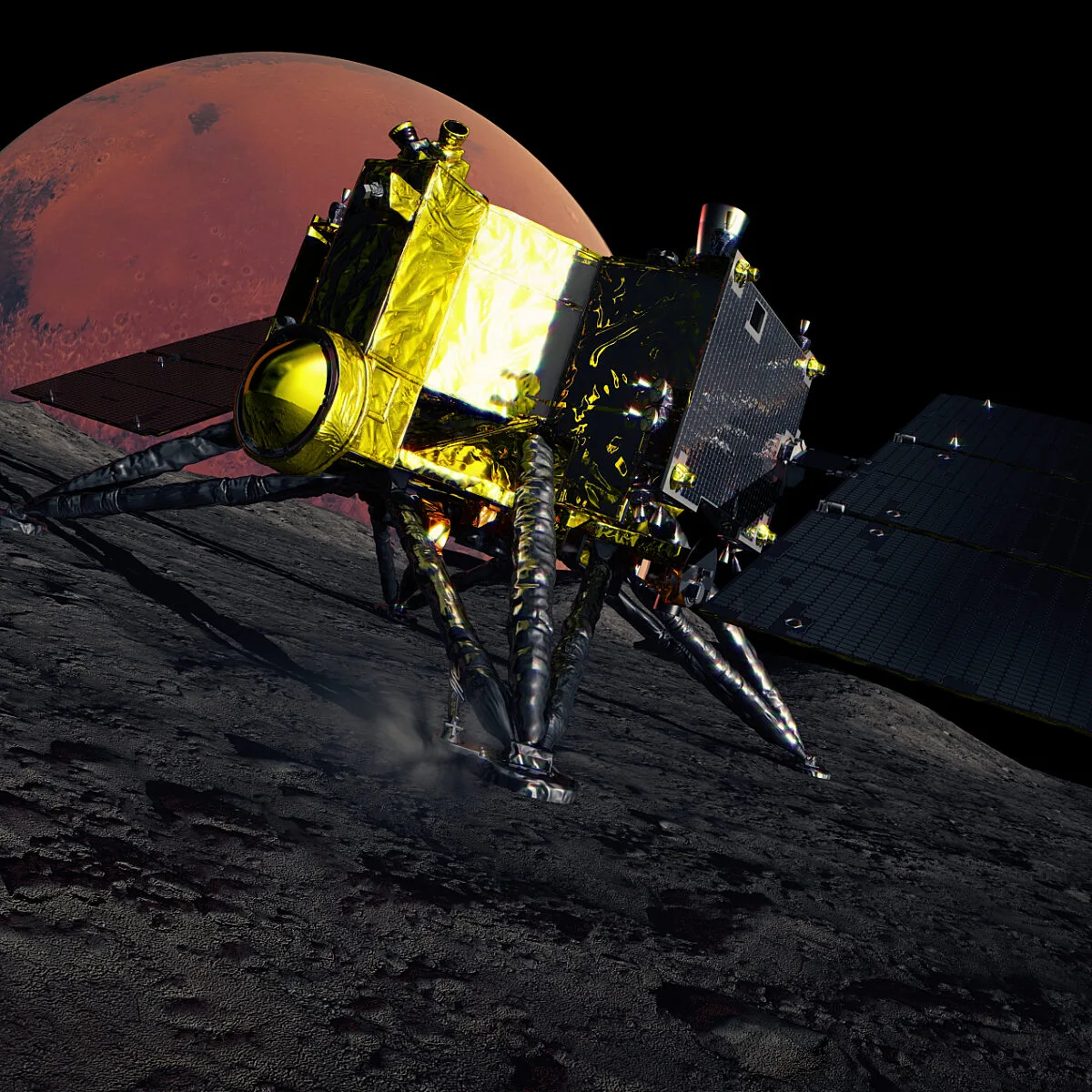
PlanetVac is a Planetary Society-supported technology that has landed on the Moon and, in October 2026, launched to Mars.