Space Imaging
Views on alien worlds
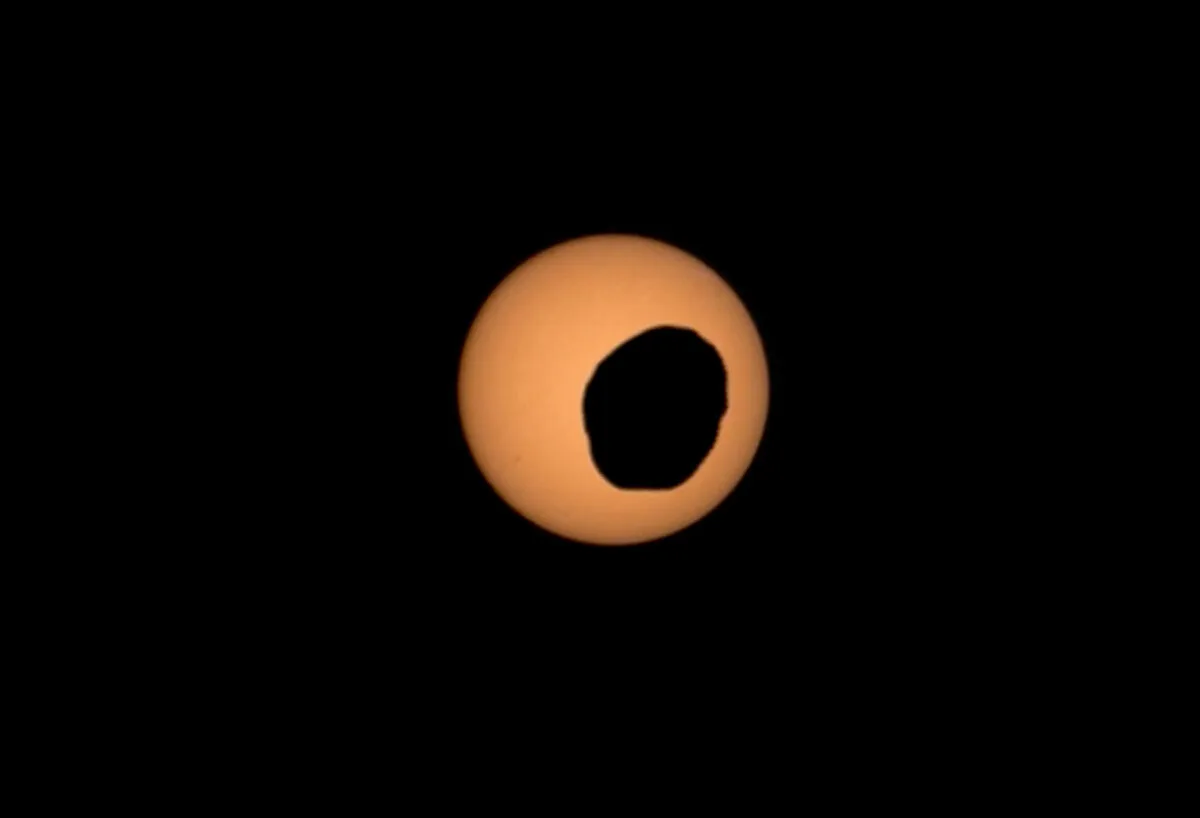
Have you ever looked at a spacecraft image of another world and asked, "what would that look like through my own eyes?"
Have you ever wondered how the ones and zeroes transmitted by spacecraft get turned into views of alien landscapes?
Did you know that nearly every last bit of data from every solar system explorer belongs to the public, and that most of it is available online for anybody to view?
To scientists, images are data, measurements of the properties of the surfaces and atmospheres of solar system bodies. To most of the public, the images are pretty pictures returned from interplanetary voyages. But to space enthusiasts, the images are a treasure trove to be sorted through, studied, processed, and shared.
Pretty Pictures and How to Make Them
A thriving community of amateur space image processors produces spectacular vistas of alien worlds from the science and navigation data returned to Earth by robotic missions.
Finding and Using Space Image Data
Where space image data is stored, what format it's in, and how to handle it.
Space Image Processing Tutorials
Classes and explainers on how to make pretty pictures from space image data
Amateur Space Images Archive by Data Date
Amateur-processed space images sorted by the date the original data was taken.
Amateur Space Image Processors
Some of the international group of people who dive into space image data sets and produce beautiful images from them.
NASA's space images are in the public domain; NASA exerts no copyright on them. However, once someone has taken that image and materially changed it, making a "derivative work," they may assert copyright. This page includes a list of correct credit lines for data from cameras flown in space.
Support our Asteroid Hunters
They are Watching the Skies for You!
Our researchers, worldwide, do absolutely critical work.
Asteroid 2012DA14 was a close one.
It missed us. But there are more out there.
Save Our Science
Become a Space Advocate
We are at a crucial turning point in the history of planetary exploration.
You can help.
Together, we can get the budget we need to support our planetary endeavors and Save our Science.
We've done it before. Let's do it again.